


Simplicity and authenticities are highly incorporated in Roman food. Popular dishes are very simple, relying on a few components, like cacio e pepe (cheese and pepper pasta) or carbonara made with eggs, guaciale, pecorino cheese and black pepper. This low-key design has enabled the Roman cuisine to gain global popularity and afterwards you must taste it in the place of origin making it one of the most unforgettable experiences.
Must-Try Roman Dishes
The Roman cuisine boasts of its forceful flavors, low-profile ingredients, and traditions that date back to many centuries influencing what its inhabitants today add to their meals. And assuming you have one day in the Eternal City, the dishes that you must not miss are as follows:
Classic Roman Pastas
There are four classic dishes of pasta in Rome whose recipes are celebrated all over the world because simple and memorable:
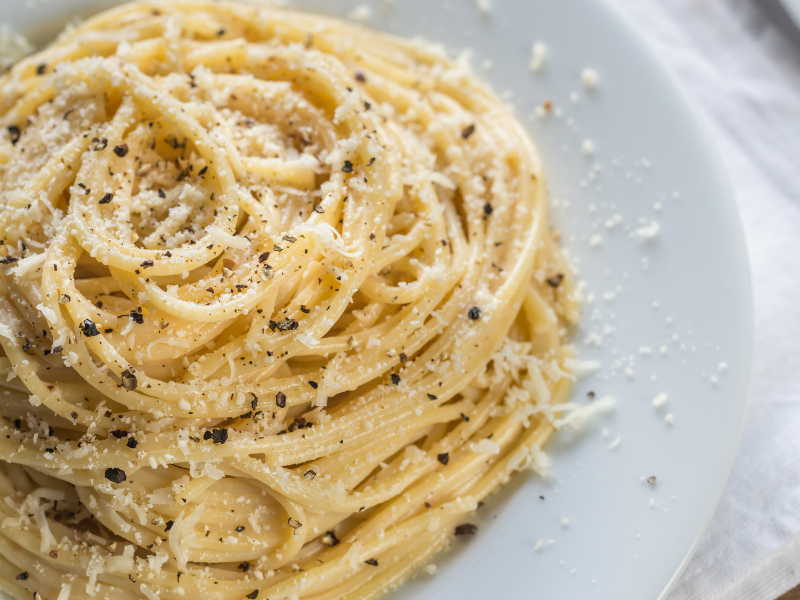
Cacio e Pepe: Translates to cheese and pepper; this dish is a combination of Pecorino Romano cheese combined with freshly-cracked black pepper to a creamy savory sauce. Evidence of how three ingredients could be used to make perfection.
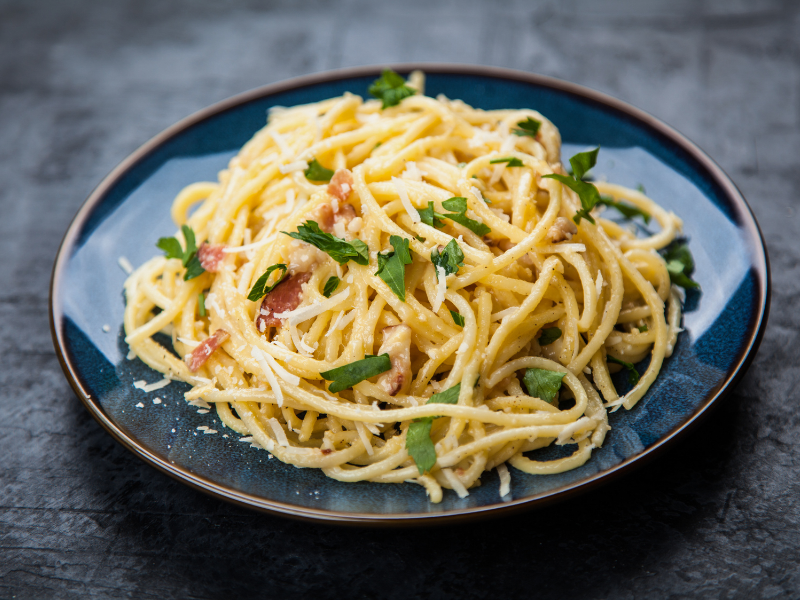
Carbonara: It is prepared using eggs, Pecorino Romano, guanciale (cured pork cheek) and black pepper- never cream. Dense, creamy and exquisite.
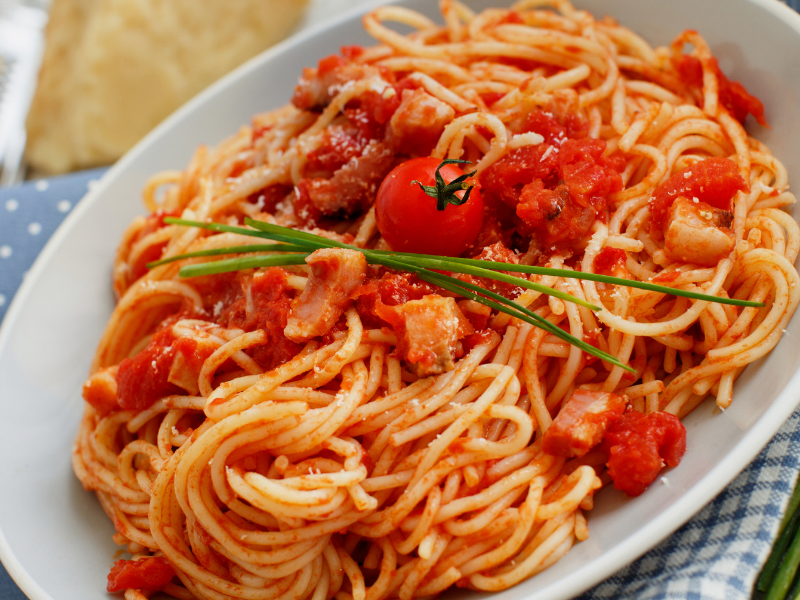
Amatriciana: A tomato-based pasta sauce with guanciale and Pecorino Romano. Slightly spicy, smoky, and a local favorite.
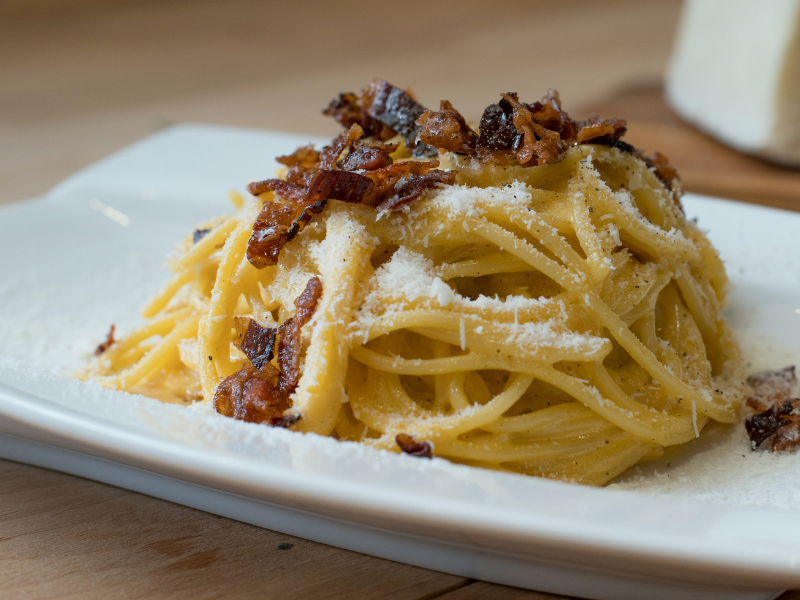
Gricia: This is also known as the ancestor of Carbonara; this sauce is done with guanciale, Pecorino Romano, but no tomato, or eggs.
Hint: They are best eaten at a trattoria (Roman traditional restaurant) to get it the most authentic.
Traditional Meat and Main Dishes
Saltimbocca alla Romana: vela swivel prosciutto and sage are cooked using white wine and butter. Translated, the name is rendered to mean jumps in your mouth and literally so.

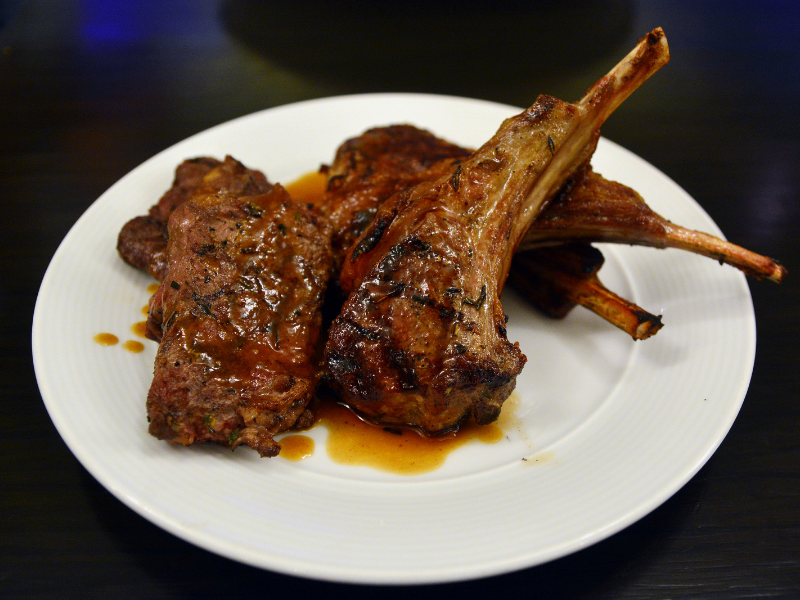
Abbacchio (Roast Lamb): A classic Roman Easter dish, but often available in traditional restaurants year-round.
Coda alla Vaccinara: baked oxtail soup, part of a substantial powder dish, Pompeianician in origin of cucina povera (peasant meal).
Roman Street Foods
It is also snack bright in Rome between sightseeing:
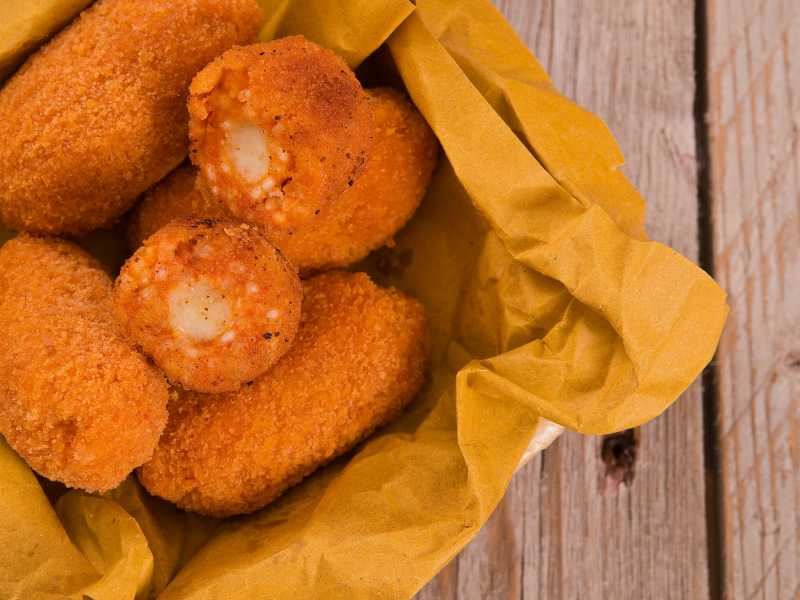
Supplì: Mozzarella andtomato sauce-filled deep-fried rice balls–crispy on the outside, gooey on the inside.
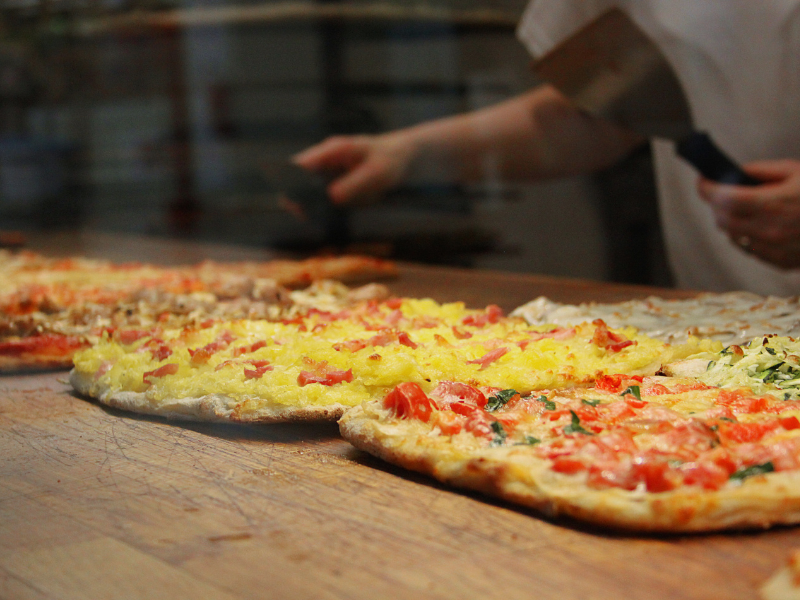
Pizza al Taglio: rectangle-shaped Pizza sold by weight. Other toppings are potato, zucchini flowers or a classic Margherita which is one of the most popular.
Trapizzino: This is based on a modern Roman crust of a restaurant fresh brand of pizza, and place this fresh crust into a sandwich form, with a conventional top of common pieces, e.g., chicken cacciatore, or fritattoli (meatball).
Sweet Treats
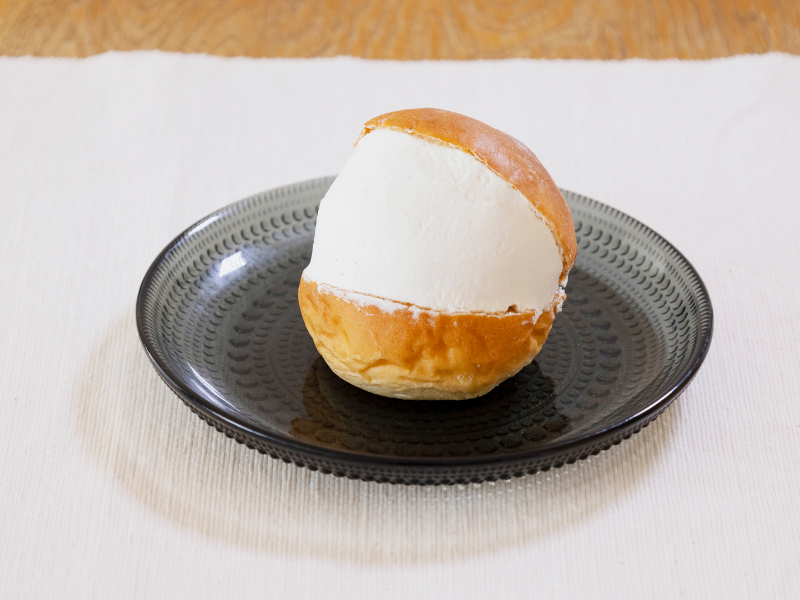
Maritozzo: Aulsionino Rock (Dough)wht from whipping Gregory: A biscuit (ra) with whipped cream, pernicious to eat before bedtime.
Crostata di Ricotta: tart of ricotta di Bernina cheese, occasionally lemon or with chocolate.
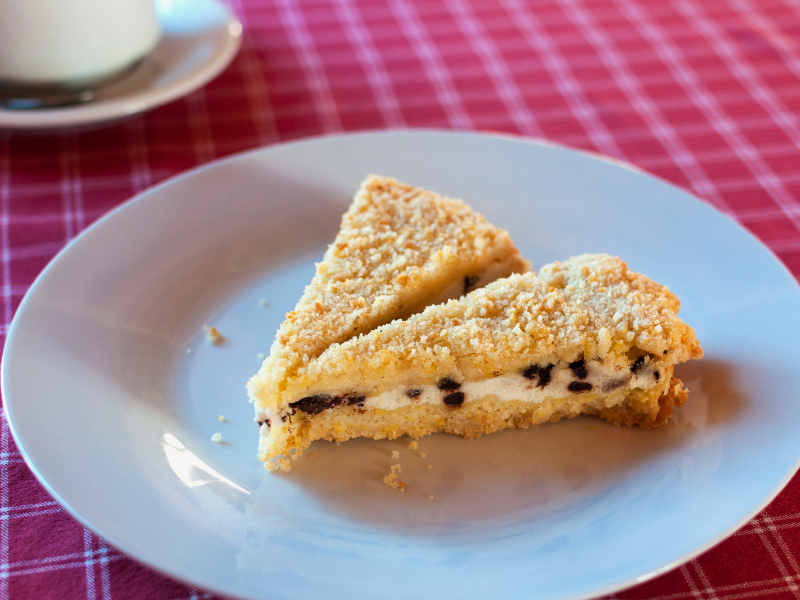
Roman an fare is, as historical as itself who is carnal.
Best Places to Eat in Rome
There are thousands of restaurants, starting with the along-time trattoria to the more modern restaurants that are blending the frontiers of Italian food. Not all people spend all day spearing in the city, but it is better to know where to come to get the most real flavors and delicious meals.
Traditional Trattorias
Trattorias: The main dish of Roman food focus can be found in trattorias which are informal, family-owned restaurants and popular cafeterias where recipes have been so venerable that they are family recipes. They are a perfect match to sample traditional pasta and share a Roman meal.
Trattoria Da Enzo al 29 (Trastevere): One of the popular local joints, amatriciana and their cacio e pepe. Anticipate a waiting-line–it is worth it.
Armando al Pantheon: This is located just behind the Pantheon and it has the authentic Roman classics served in a comfortable environment.
Da Lucia (Trastevere): This trattoria is one of the simplest middle-end type restaurants that offer traditional foods such as coda alla vaccinara (oxtail stew).
Osterias: Cottage-like and Good-looking
Osterias are like trattorias, except that they are more rustic, and put emphasis on local and seasonal food. They are ideal when you need an easy-going, natural diet.
Osteria dell’Ingegno (near Piazza Venezia): Combines traditional recipes with a modern touch.
Osteria Bonelli: This is an eatery outside the touristic centre but a great secret.
Modern Roman Restaurants
The contemporary restaurants can provide you with the innovativeness of the presentation and cannot forget the tradition interpretation.
Roscioli (Campo de’ Fiori): Part deli, part wine bar, part restaurant—famous for its carbonara and incredible cured meats.
Retrobottega: This is a proposed new establishment with open kitchens where cumulative tasting restaurants reduce on Roman and Italian flavors.
Glass Hostaria (Trastevere): The restaurant that is a Michelin star one combines Roman-based items with international experience.
Light Snacks in between Sightseeing
The unavoidable prepare you in a snap; and Rome, again, has no end of casual alternatives:
Pizzeria La Montecarlo (around Piazza Navona): The favourite with slim Roman-fashioned pizzas.
Forno Campo de’ Fiori: It is the right place to shop, taking fresh al taglio pizza and make the adventure of the square.
Mercato centrale (near termini): There is a more contemporary food hall Mercato centrale where pasta and gelato were tasting the same roof.


FAQ – Frequently Asked Questions
Carbonara, Cacio e Pepe, Amatriciana, and Gricia are four traditional Roman pastas, which are based on the pasta and pecorino romano cheese. A simple one is cacio e pepe, which includes only cheese and pepper, Gricia includes guanciale to give a porky flavor, Carbonara includes eggs in it to make it creamy, and Amatriciana is a different one, including tomatoes to make it bright and crispy pork.
This dish is really a must have in Rome and its name literally means jumps in your mouth, it is called Saltimbocca alla Romana. The meal is made of veal, prosciutto and sage rolled up and pan-fried in dry white wine and butter. Saltimbocca is commonly prepared with veal and cooked within a very short time hence it is better to order it in a restaurant that has an operating kitchen than a buffet as they dry easily.
Suppli are rice-ball-sized fried food that resembles arancini of Sicily, but which are smaller and are croquette-shaped. These low-end wonders are coated with dry breadcrumbs and stuffed with the sticky rice, sticky mozzarella, and a hearty tomato sauce and are at the top of the list of many street food lists. Trapizzino is a comparatively new dish that was designed by the chef, Stefano Callegari, in 2008 that is made up of thick triangular-shaped cake dough and stuffed with a rich tomato sauce and fine mozzarella. The panino con porchetta is prepared by putting together slow roasted pork and fresh bread with the meat being stuffed with garlic, sage and rosemary and is providing a combination of soft, chewy and crunchy textures.
Only one dessert bears the name of maritozzo, which can really be referred to as uniquely Roman. A light, soft, oval shaped bread with a hole in the middle stuffed with whipped cream. Honey is found in the dough therefore it is not too aromatic but sweet in taste and this dish was created in the Lazio area during the ancient times. Another dish worth trying at Rome is crostata di ricotta e visciole, which is a mixture of creamy ricotta and sour cherry flavored with sour cherries, that are enclosed in a shortcrust pastry.