


The city is not simply a city, it is an open air museum, with every stone of the cobblestone telling tales of emperors, artists and saints. It appears that every spot has something about it, which is historical to uncover.
This is a painstakingly designed one day itinerary which gives you the flavor of the Eternal City and does not hurry you across places. You will be amazed by the Colosseum, admiring the masterpieces of the Vatican, throwing a coin over the Trevi Fountain, and having a slow lunch in one of the local trattoria because it is not just important to see but also to taste Rome.
This day plan will see you through your maiden Rome visit, or even a brief stopover and be assured that you visit the best of Rome, its historical stories, its beauty, and soul in a manner that may be remembered easily.
Maps
Morning: Ancient Rome (8:00-12:00)
Get going to Rome in the crack of dawn. Your golden hour is the morning to see the ancient beauties of Rome and be in Rome before the afternoon crowds fall on them. We have worked out a program that will keep you on a leisurely itinerary schedule that will see you standing next to the gladiators, walking the streets where emperors used to live, and enjoying beautiful scenes all before lunch.
Colosseum (8:00-9:30)
Constructed between 72 and 80 AD during the reign of Emperors Vespasian and Titus, this great amphitheater used to accommodate up to 50,000 individuals who had to come and sit in order to watch gladiatorial fights and wild animals hunts. It is an awe-inspiring demonstration of Roman engineering ability and still today stands as a 2,000-year-old monument standing after earthquakes and stone-robbers.
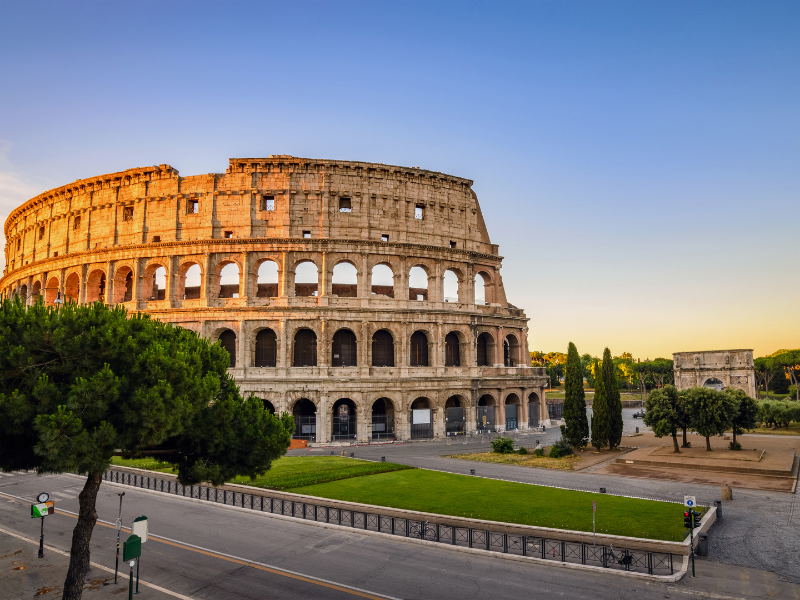
Pro Tips for Your Visit:
It is a soft morning light which is good to take photos and you will not have to feel like sardines in a tin. By buying a skip-the-line ticket online you will be able to save time in the long queues at the checkout. It will give you a chance to reach the upper levels and underground rooms (the hypogeum), where you will find some interesting information about how the shows were organized.
In the case of photography, place yourself in the Via dei Fori Imperiali (the street in front) during the golden hour of the day when you will get some pictures just like in a postcard. There, indoors head to the northside of the higher levels to get dramatic lighting and less tourist.
Metro: Colosseo (Metro Line B). The platform is only two minutes away to the main entrance.
Ticket Recommendation: We suggest that you purchase Colosseum + Roman Forum + Palatine Hill combo ticket that will allow you to see all three largest ancient locations and is a great value.
Roman Forum & Palatine Hill (9:30-11:00)
Exiting the Colosseum, you should go through the pedestrian exit and enter the Archaeological Park where the Roman Forum is located. This vast compound is the core of ancient Rome–the civic, commercial and religious node on which the empire was actually operated. In this case, people flocked together to discuss politics, traders peddled their trade and priests performed sacred ceremonies. It is a walk through these ruins like having been plunged into a history book.
Roman Forum occupies approximately 240 meters of land and some of its major features are: the Temple of Saturn, the House of the Vestal Virgins (where one can find the characteristic columns), and the Temple of Julius Caesar where the ashes of the great ruler were scattered following his assassination.
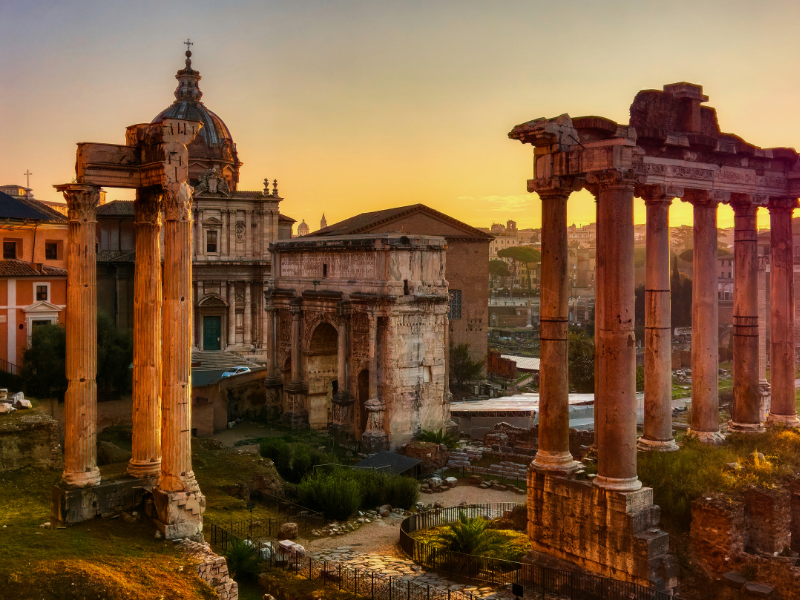
Adjacent to the Forum, is Palatine hill, where the palaces of the emperors of Rome were located. Views of the top are panoramic and look across the entire Forum and towards the Colosseum-they are unsurpassable and definitely worth the little climbing.
Walking Directions:
Exiting the Colosseum via the main exit, turn towards the directions of the Forum (there is no way to miss it). Get into the principal entrance through the Arch of Titus. There go inside, and take the major line down–you will naturally see the great places. Having looked around the floor of the forum, seek the signposted way leading to Palatine hill, on the south side. The ascending is of approximately 15 minutes and is moderately steep. When you are on top, follow the route leading to the Farnese Gardens as the most favorable points of view.
Quick Map Reference:
Imagine the Roman Forum in the form of a valley that is rectangular shaped. The northeast corner (the one near the Arch of Titus) is the main entrance and Palatine Hill on the south side.
Piazza Venezia (11:15-12:00)
Out of Palatine hill, go back to the forum and take the road down the main direction northwards. Keep on going up Via dei Fori Imperiali towards the northwest. About 10 minutes later, you will reach the beautiful Piazza Venezia, top laden with the enormous Altare della Patria ( Altar of the Fatherland).
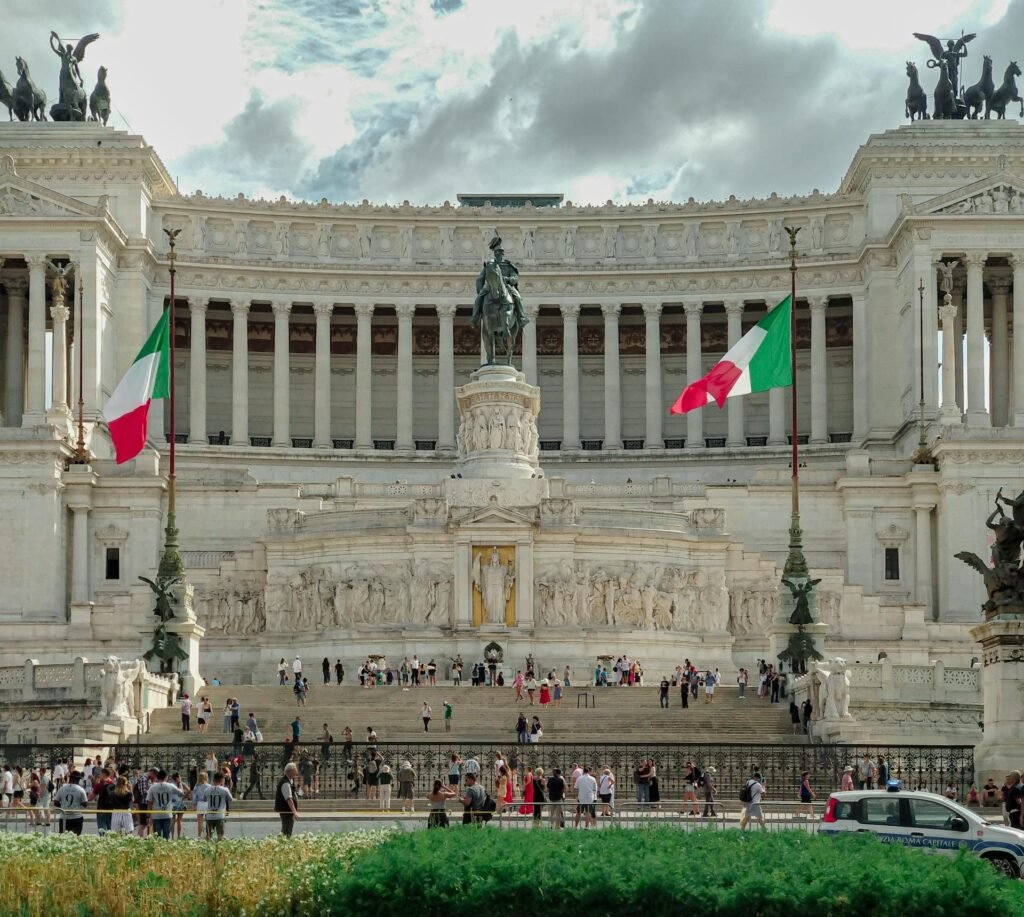
This monument made of gleaming white marble, was finished in 1911 and pays tribute to the war dead in Italy and also in the unification of Italy. Although it is a fairly new addition to the Roman scenery, it can not be overlooked and cannot be left without being impressed. The size is astounding and the prospects that one would have on the higher terraces are enormous. It is even possible to walk to the monument and visit its monuments and museums (although a brief outside visit is acceptable in the event of a time constraint). You can see all of Rome on a clear day straight across out of up here.
Refuel with Espresso:
At this point you have earned a caffeine fix and a break. Caffe Roma is a traditional Roman cafe just off the Piazza Venezia which is serving the best espresso in the city. Take an espresso (you will drink it standing at the bar, it is customary; it is quicker and less expensive so) and possibly a sfogliatella or cornetto pastry.
Lunch Break (12:00-13:30)
Take a break of sightseeing and have a taste of real Roman food. Monti and areas surrounding the Pantheon are some of the most hidden corners in the city which locals can meet to have lunch. Reserve a comfortable table in one of the classic trattoria and enjoy famous Roman cuisine in tandem.
Afternoon: Baroque & Vatican (13:30-18:30)
Your afternoon after a relaxing lunch is spent at the most familiar Baroque monuments in Rome and the spiritual center of Christendom.
Pantheon (13:30-14:00)
Start by one of the most amazingly preserved Roman buildings. Pantheon is almost 2,000 years old and stands free of charge, and therefore a must-see place to any visitor. It was originally constructed as a Roman temple, but later rededicated as a Christian church in the 7th century, thus rescued the temple.
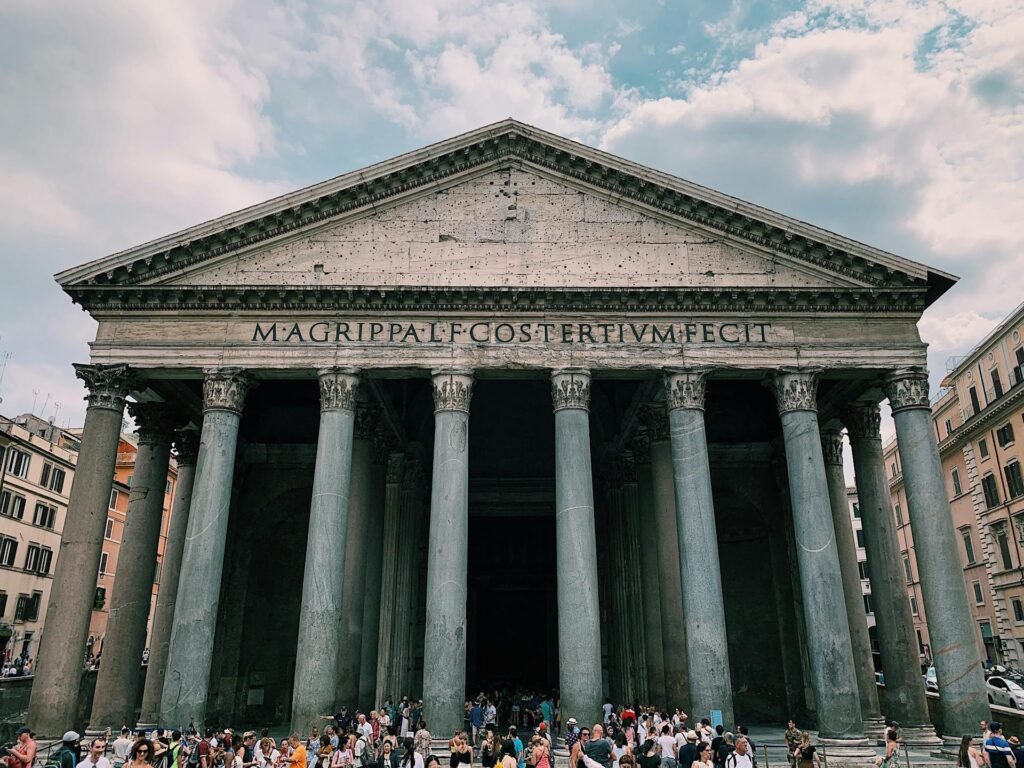
Step inside and look up. The oculus, the absolutely round aperture in the dome, fills the interior with natural light and gives a somewhat religious effect. The engineering in itself is a thing to give a pause of appreciation. This building makes you remember why Rome had its reputation even after almost two thousand years.
Hint
Get there just in time at 13.30 and avoid the midday traffic. Towards mid-afternoon, it is filled with tour groups at the Pantheon.
Trevi Fountain (14:15-14:45)
Take a ten-minute walk south east to one of the most popular fountains in the world. Trevi Fountain is a pure Baroque spectacle with its lavish sculptures, falling water, and architectural drama that explains all selfies.
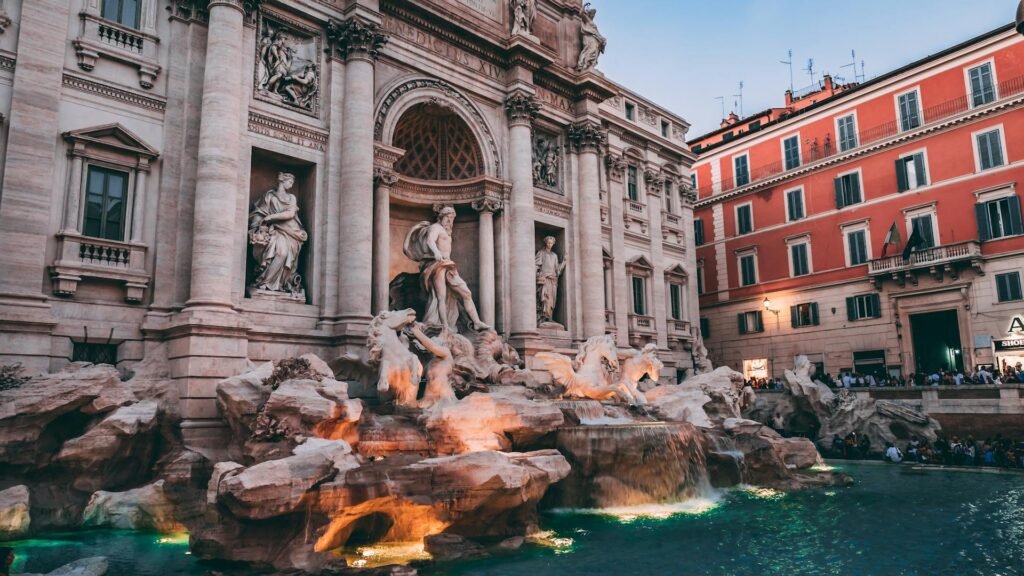
The most popular tradition in the fountain is the tossing of coins. Toss a coin into the water and, so they say, you will be coming back to Rome. This is done by millions of people every year and even the coins in the fountain are given out to charity. Whether you believe in the magic or not, the ritual makes you enrolled in the centuries of visitors who have done the same thing–that is so wonderfully human.
Photo Tip
Photo Trevi Fountain is towards the north, and therefore, at the early afternoon, the light will be behind you, and this will light up your subject in the shade. Reason is to come close to golden hour (late afternoon), or to have an overcast day, when light is diffused. In the event that this is not possible, stand on the left of the fountain and have sidelighting on the photos in order to have more three-dimensional images. Then the people clear out a bit after 16:00 supposing you will wait.
Spanish Steps (15:00-15:30)
The Spanish Steps are a brief walk down the street and offer a view of a sitting place for the citizens and as well as a place of heritage since the 18 th century. The Spanish Steps are not like most tourist destinations, as they are lived in and natural. They are a social centre of Romans; street musicians, artists and ordinary people make the city a livelier place almost village-like in the middle of the city.
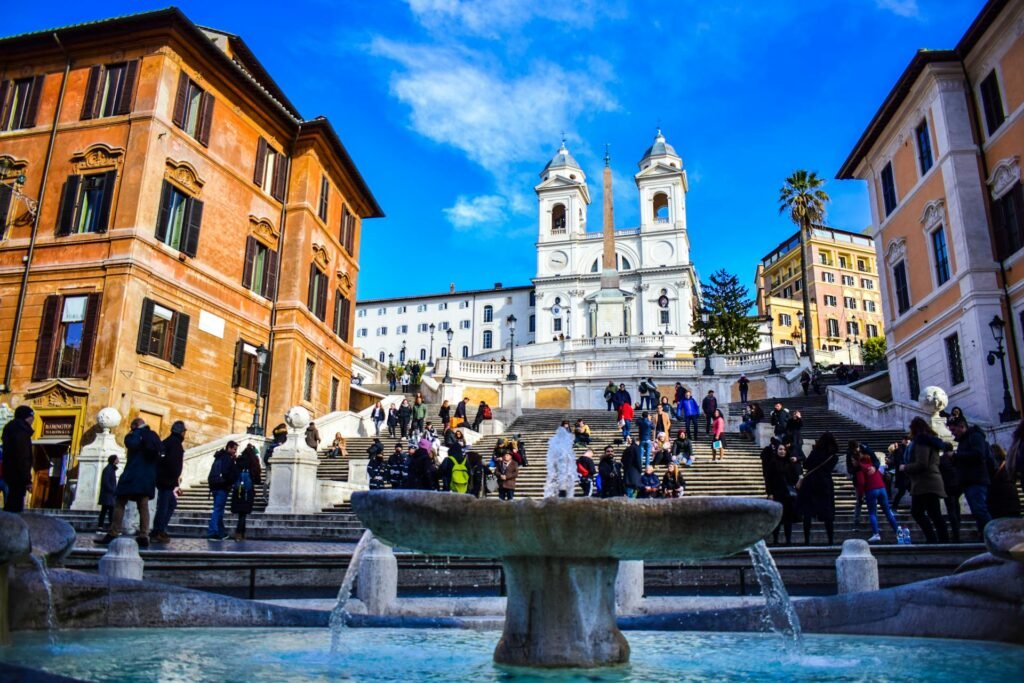
Go to the top and have a quiet time over the square below which is so busy. This is where Rome is more of a museum and less of a living and breathing city.
Vatican City (16:00-18:30)
Take the Metro A and get to the Ottaviano station- the entrance point to Vatican City. When you come out of the metro you can see a dome of St. Peter Basilica.
St. Peter’s Basilica
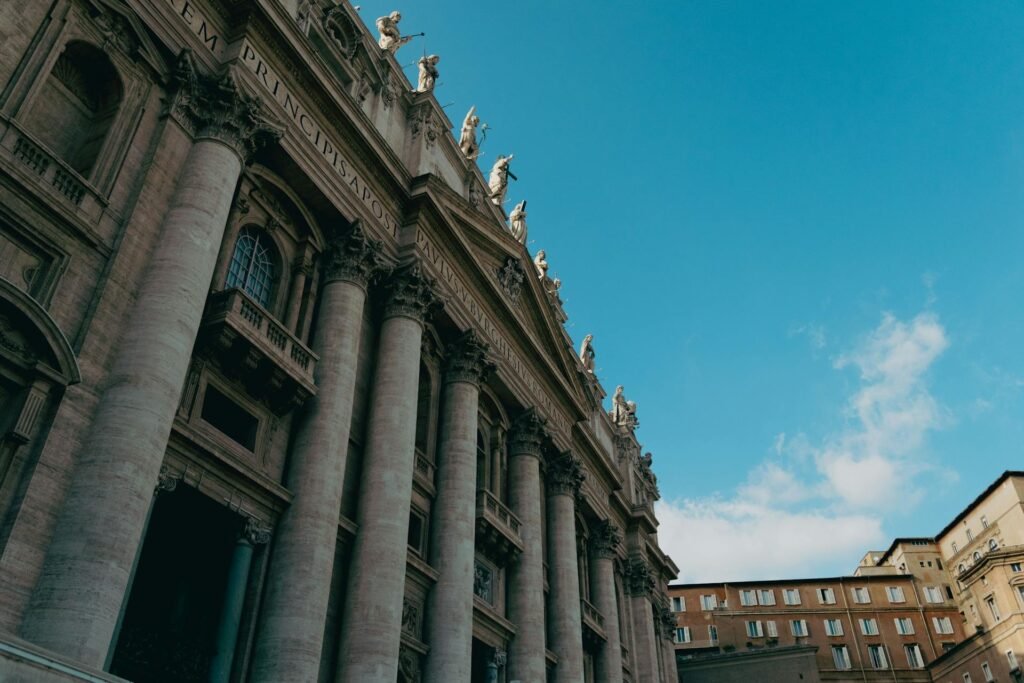
It is, perhaps, the most significant church in the Christendom and an architectural masterpiece created by the giants, Michelangelo, Bernini, and Raphael left their signature here.
The bare grandeur is nearly inexplicable within. The flying dome, the elaborate mosaics, the bronze baldachin of Bernini (the elaborate canopy in the main alter), the sculpture of the Pieta of Michelangelo, all of this is unbelievable. One can spend hours here and fail to consume it all. The artistic and historical importance is mind-blowing even when the religious aspect is not taken into consideration.
Vatican Museums
In the event of museum fatigue, the Vatican Museums feature one of the largest collections of art in the world, including the Sistine Chapel of legendary Michelangelo frescoes on the ceiling. The fast-track ticket would be a better choice to have an easier experience. You are within 5 minutes of St. Peter walking distance of the Ottaviano metro stop.
Evening: Dinner & Stroll (19:00–22:00)
Dinner in Trastevere
The area is filled with this authentic local life, the ivy-covered houses, trattorias run by the family, and that inimitable smell of fresh pasta in the air. Trastevere is a refreshing and true-to-life neighborhood, unlike the tourist-packed districts, where the Romans sit down to relax and enjoy dinner in the evening and intake much talk.
Top Recommendations:
Osteria da Zi Umberto: Small area with traditional Roman meals and superior house wine. Look forward to great amounts and home hospitality.
Trattoria da Enzo al 29: It is a local place where there is no menu, just what the chef chooses in the season.