


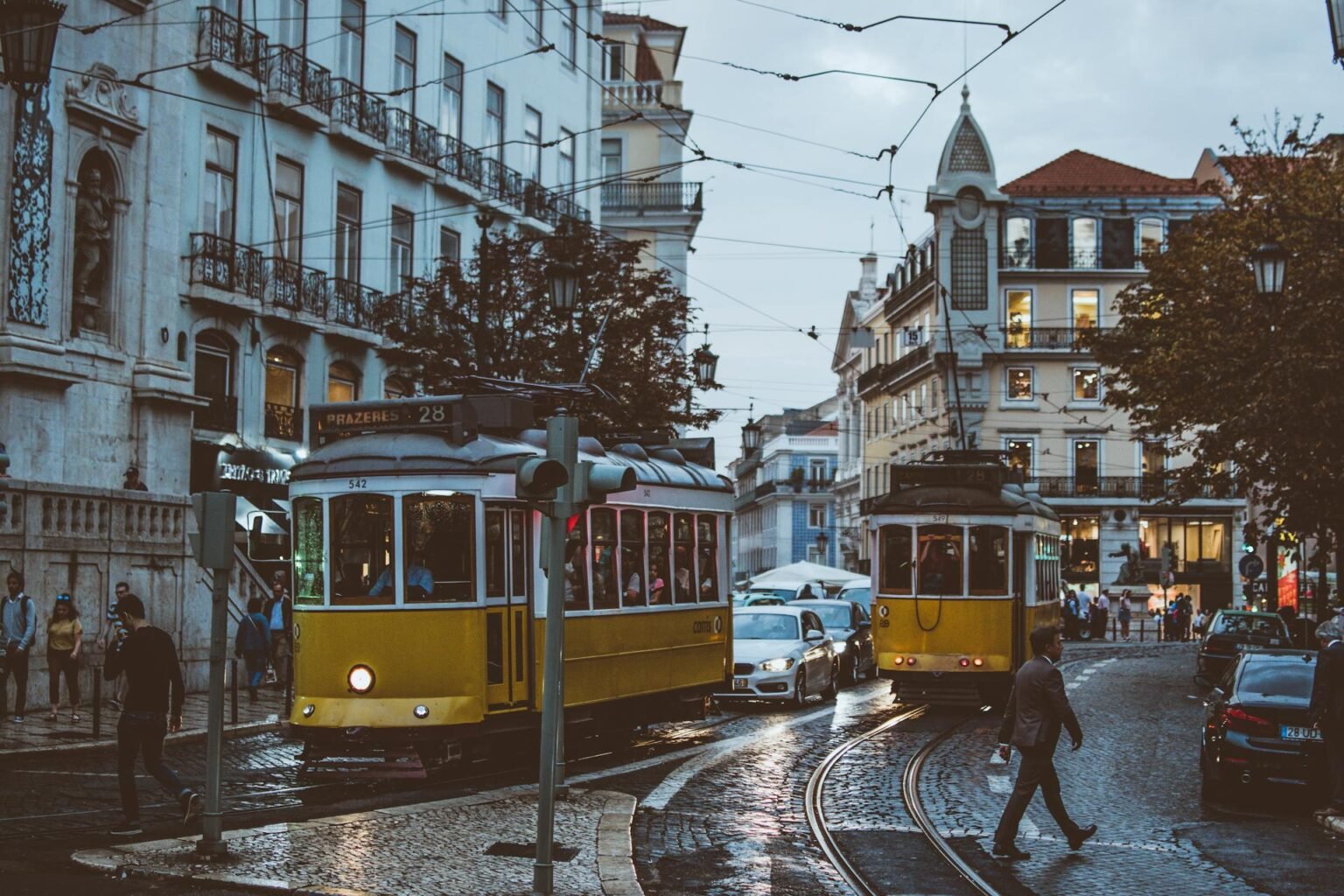
You will find out the best month to go, the most appropriate time of your priorities and the best hours of time to traverse the most critical areas of Lisbon and perspectives. We are going to demonstrate you how to schedule your day to have the azulejo quarter covered in watercolor light under spring sunshine or an evening in Alfama under summer sunsets.
Overview
There is no particular period of the year that is the best time to visit Lisbon, it is all about what type of experience you are seeking. Do you enjoy being in the close streets of Alfama where you have to brush shoulders with the tour groups every five seconds? Or do you not flourish in the life of high season when there are festivals and cafes on every side of the street? It all depends on the answer: your money, how comfortable you are going to be, and how much you will experience the true beat of the city.
We have spent sufficient time in the city of Lisbon throughout the seasons and have conducted research to discover the five factors that would influence your decision. You can consider them as your guide to the right time in the golden city in Portugal.
Weather & Temperature
The climate of Lisbon, a mild one, is among the very best things they have. But mild is not always mild in January that it is in July. The good weather to walk comfortably (think 18-22 degree) is at the end of spring and extends to the beginning of autumn in which case you can walk hours in the neighborhood without getting tired. The summer heats the city to 28-30degC, and taking walks at midday in the curvy streets of Baixa, is more of a challenge. During winter, it is colder (10-15 degree), rains occur every now.
Crowd Levels
Even the most popular attractions such as the Jeronimos Monastery in Belem and the old trams of Baixa can resemble human roller coasters during the summer season (July-August). Shoulder seasons and winter are quieter, and locals are reclaiming their town at this time, you can afford to spend more time at one of the viewpoints without someone in a selfie stick bumping into you.
Daylight Hours
The more the daylight, the more time to spend sightseeing. Summer has almost 15 hours of sunshine and you can begin with your breakfast in a cafe on the tejo and still see the sunset at Sao Jorge Castle. The day is no more than 9 hours in winter, which makes your exploration time shorter but sets a more comfortable pace less time to spend, more time to spend at a pastel de nata and admiring people.
Atmosphere & Local Life
The Festival de Lisboa in June has theater, music and grilled sardines at the street corners. The month of September is filled with the buzz of people going back after August holidays to get the restaurants they have been visiting back in operation and get the city back to its business. The colder months of winter allow you to fall into the more languid pace of the Fado bars.
Budget
Lisbon prices change with the seasons drastically. The peak flights and accommodation are during June to September where July-August occurs at the highest rates. During the months of November, January and February, it is possible to save up on accommodation.
Seasons
Spring (March-May)
Lisbon is turned into a paradise of the photographer and a wanderer in the spring. The weather is a dream, it is neither too hot nor too cold, and you can wear t-shirts and warmer clothes but will not be hot when you are climbing the popular cobbled streets of the city. There is plenty of sunshine, but not the heat of summer and the crowds are there but are not yet in full blast.
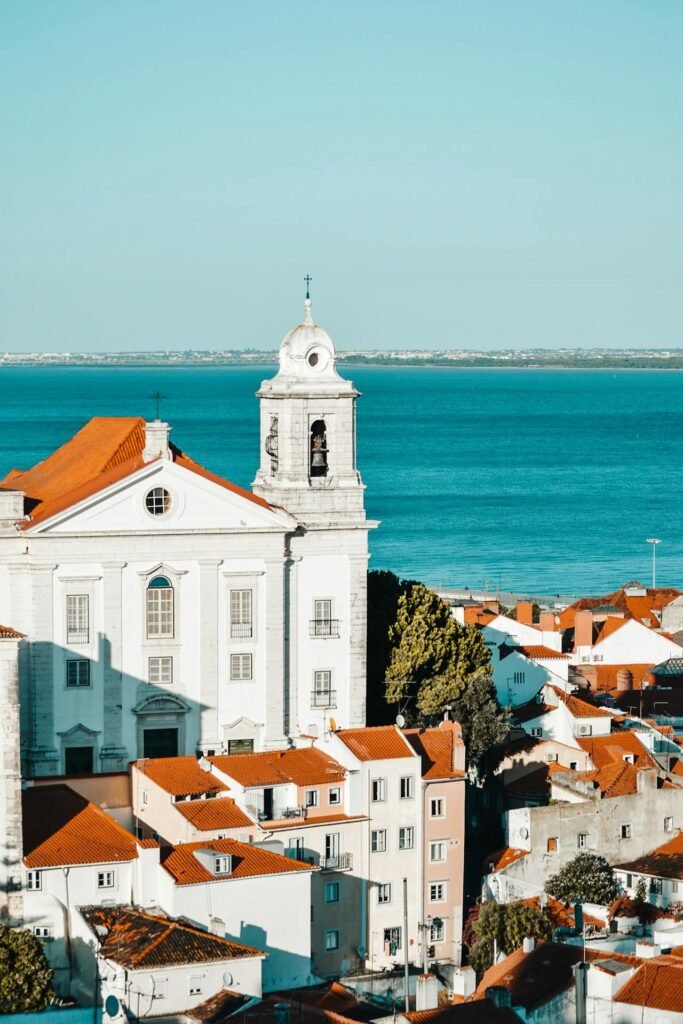
It is time to stroll leisurely in the twisting medieval streets of Alfama or window-shop in the geometric squares of Baixa without struggling to keep up with exhaustion caused by the heat. It is soft and golden light: the ideal conditions to take Instagram-friendly photographs of terracotta roofs and azulejo flooring that Lisbon is known to have.
May is the month of jacarandas of Lisbon, when the city is covered with purple flowers. In case you are going there to take pictures, then early May is the best time to visit when they are at their prime.
Daylight benefit: 7:30 AM to 8:30 PM – sufficient time to slot a complete itinerary without any hurries.
What is going on: Lisbon Fish and Flavors Festival is dedicated to the local seafood; Easter processions bring the cultural nuances and celebratory spirit to the neighborhoods.
Summer (June-August)
Summer in Lisbon is the maximum number of hours of light in the city. The sun rises at around 6:00 AM and sets later at 9:00 PM, so you are given a wide time to fill in with experiences: rooftop sunsets, take walks along the river, bar hop through the neighborhood, even have a late-night meal in Alfama.
Hotels are full, restaurants require booking and other places of interest such as the Jeronimos Monastery are queued. Nevertheless, there is a reason why summer is attractive to crowds, and the atmosphere is truly lively. The streets are filled with street parties and celebrations during Santo Antonio Festival (June). The city as a whole appears to be alive.
Scheduling: To discover the largest attractions, it is better to arrive early, preferably at 7:00 AM, before the day becomes hot at 11:00 AM. This plan will allow you to see the monuments or walks along the river in Belém in cooler and quieter seasons.
Autumn (September-November)
Hotel rates fall significantly and the city opens up to a more personal touch. September is worth mentioning particularly. It is perhaps, the season to the sweet. The summer heat sticks around (25-28 degree is easily attained well into mid-October), the energy of the summer has not gone away altogether, and there is a pleasant sense of space in the streets.
Local feeling rears its head: Fado nights go back onto the inside with the cold. The season of wine harvests entails local activities and special menus in restaurants.
Photography bonus: Far less pedestrian traffic and that endemic autumnal light imply that you will get the real face of Lisbon, rather than its summer face. Deserted streets, theatrical clouds, sunshine.
Winter (December-February)
Even as most of Europe is shivering, Lisbon is quite nice, with temperatures of 10-16 degree with a few rains but more sunny intervals. It has an inviting local feel that makes the city not so much a tourist spot but rather a neighborhood where people reside, as well.
What you gain: Much lower-priced lodging. True to life neighborhood atmosphere. The opportunity to see the cultural marvels of indoors without having to fight through the crowds: the azulejo holdings of Museu Nacional do Azulejo, Gothic arches of the Carmo Convent, small fado bars, cafes, where the locals outnumber the tourists.