


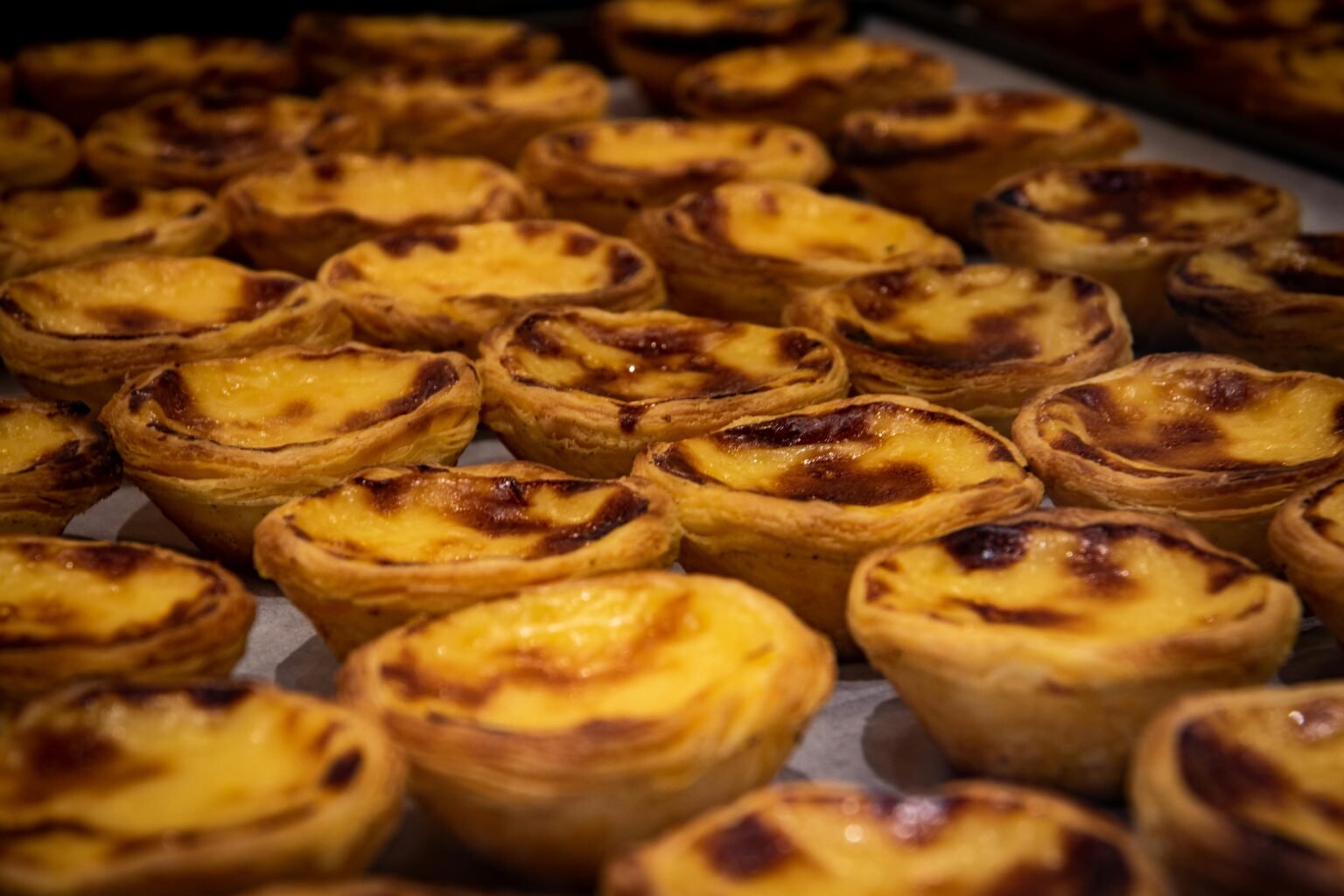
Imagine this, you have just gotten up in Lisbon and before your senses have even focused on the Portuguese sunshine pouring through your window, the odor reaches you, warm buttery cinnamon-spiced pasteis de nata floating out of the cafe two or three floors away, intermingling with the sweet dark smell of freshly brewed Portuguese coffee. It is still very early and already Lisbon is speaking the language which it best knows: the language of taste.
Breakfast: Portuguese Coffee Ritual and Pastel de Nata
There is a moment in Lisbon which characterizes mornings, it is a sort of place that the inhabitants of Lisbon keep secret, yet they are open-minded enough to share it. It occurs in a small pastelaria where there is a lot of butter and cinnamon smelling air when you sink your teeth in a pastry that is still warm out of the oven.
The history of the pastel de nata is tied to the Portuguese monastic history. Developed in the 18 th century by monks in Jeronimos Monastery in Belem, originally, these tarts were referred to as Pasteis de Belem. It is said that monks, having time and means of excess egg yolks and bits of pastry, came up with this custard-filled pastry in order to consume the materials that would otherwise go to waste. At the disbanding of religious orders in the 19 th century, the recipe was given by a confectionist a civilian and the founder of what would become the fabled Pasteis de Belem.
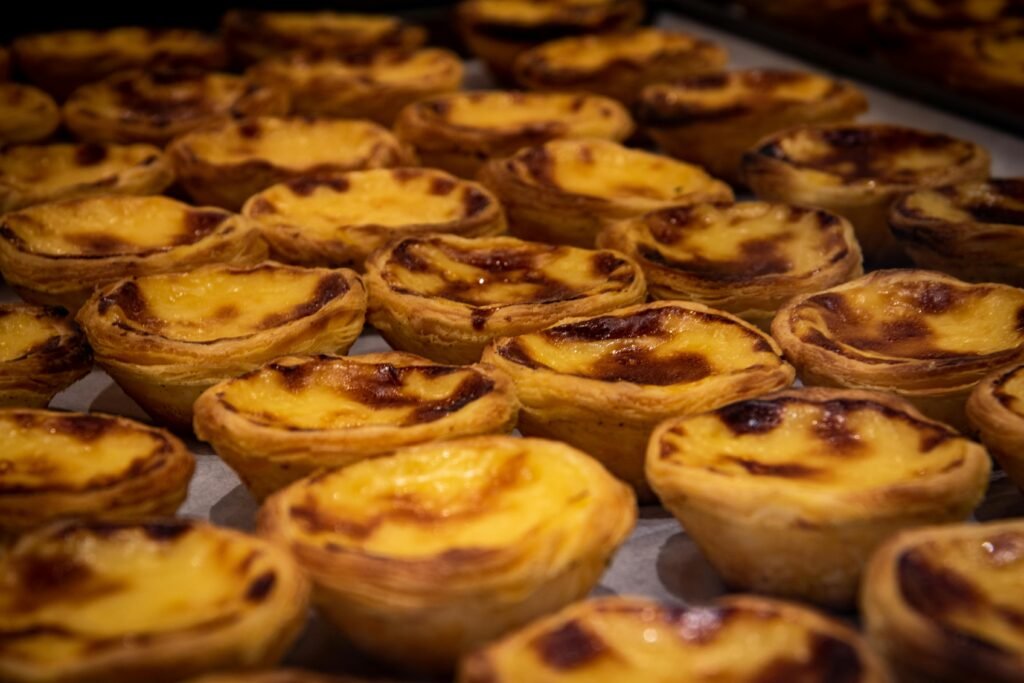
The cinnamon is flavorful and warm and spicy which contrasts the vanilla fragrant custard and the powdered sugar sticks to your lips and fingers, as a reminiscence of the experience.
The trick, talked about cafe tables throughout Lisbon, is thus: eat it hot. Always warm. As soon as a pastel de nata is chilled, there is a loss of something vital. The custard gets thick, the pastry gets brittle and the experience gets dissipated.
Mid-Morning: Bifana Portuguese Famous Pork Sandwich
By 11 AM, the hunger hits. You have already defeated a pastel de nata and have been riding a vintage tram through the narrow streets of Alfama. You do not require a proper meal at this moment, what you require is a bifana, the sandwich that illustrates the street food culture of Lisbon.
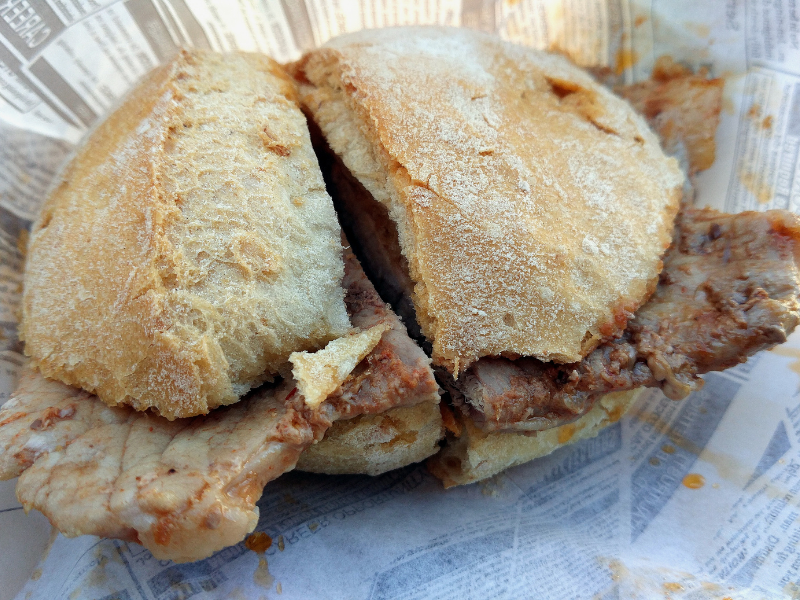
Imagine: slices of pork, which are no thicker than tissues, and in which the white wine, the garlic, and the paprika have been steeped out; and then wrapped up in a crusty roll, which cries with a good crunch upon opening.
Dining: Seafood or Bacalhau
No wonder bacalhau, salted cod, is running in the blood of Portuguese culture, like the recipe handed down in the family over centuries.

The most typical introduction is Bacalhau a Bras: fried shreds of cod until it melts into fine strands and being sprinkled with thin sliced potatoes and then topped with a warm yolk of the egg, which leaks gold onto your plate.
You are visiting on a summer day and then you should have an order of the grilled sardines. See them come entire, with blistered skin, and nothing to eat but lemon and fleur de sel. The meat is lifted away cleanly off bone and yet warm, and smelling definitely of the Atlantic which nourishes this city.
For Vegetarian Travelers
Lunch is not to be neglected just because not meat and fish. Caldo Verde-a dark green kale soup, which is modest and full of nourishment, is yet another Portuguese tradition pillar. Serve on a piece of bread accompanied by a slice of queijo da Serra (creamy mountain cheese), and leave the heat of the soup to melt the cheese into a sort of soup-sauce.
Afternoon Snacks
It is the high time to enter a slice of the native culture of Lisbon with the most popular afternoon routines.
Ginjinha

And there comes a Lisbon in the tiniest of glasses. Since the 19 th century, ginjinha, a sour cherry wine-dark liqueur, has been a part of the street culture of Lisbon. It is not some lazy beverage, but a fast and powerful rite.
Pastries
Travesseiros are long-shaped pastries that are packed in a crispy pastries that is phylo-like, stuffed with a light cream composed of almonds and cinnamon. The filling is not very sweet.
Queijadas are smaller and their delicacies are little tarts, their center a custard which melts on your tongue, flavoured subtly with cinnamon and, perhaps, have a tincture of port a la fave.

Dinner
Sardines are grilled and then served at the table where they are still hot and crackling on the skin, the flesh is so tender that it only requires a generous sea salt and a squeeze of lemon.
Ameijoas a Bulhao Pato is the fingerlED of neptune clams in white wine and scattered with garlic to the point of smelling it in the air, cilantro and spray of piri piri. The shells of the clams burst up like miniature delicacies and pour out their fishy nectar into the garlic-filled soup this is comfort posing as class. People place an order of crusty bread particularly to absorb a drop of the gunk.
The most remarkable is arroz de Marisco a seafood stew of rice, shrimp, clams, mussels and crab mixed up in grains touched with saffron, tomato and the condensed flavor of shell fish stock.