


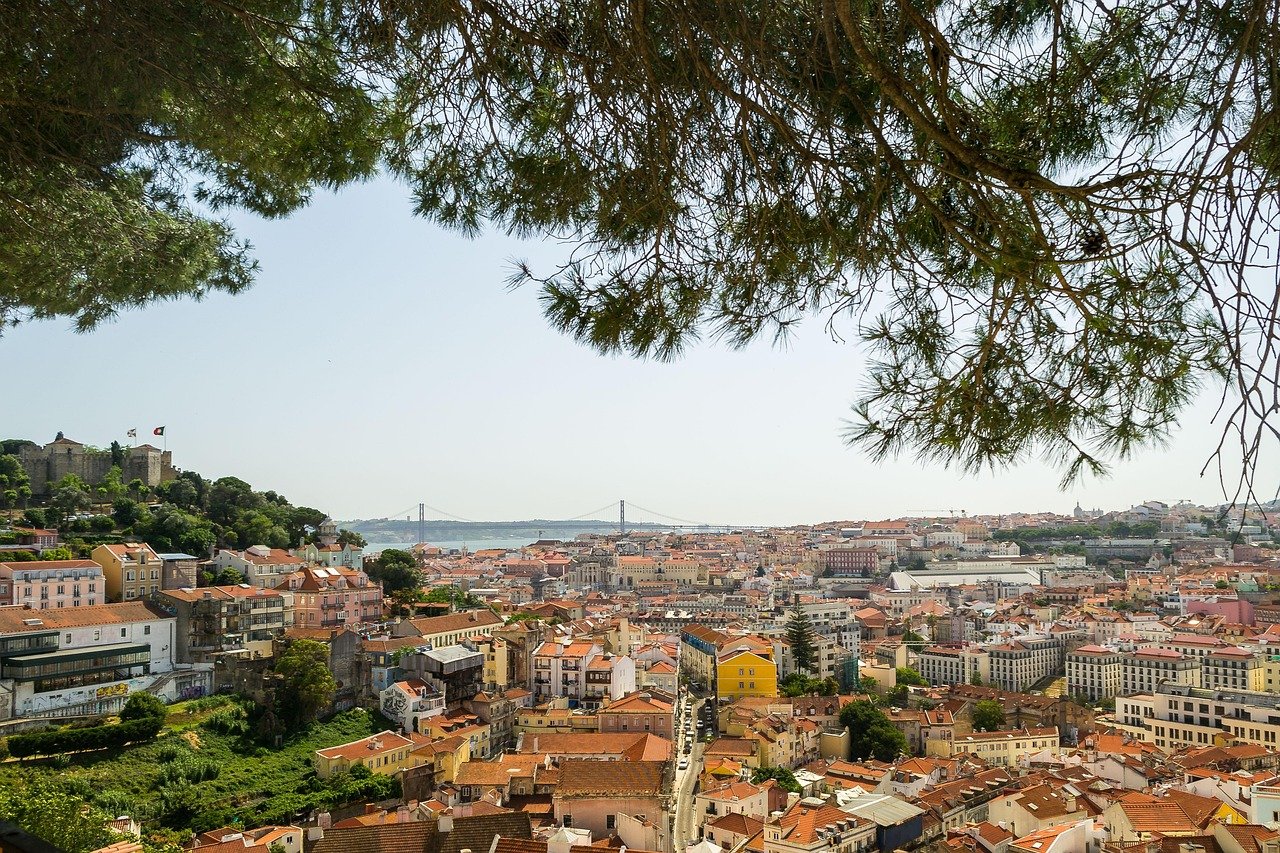
At the close of this post, you will have all you require to travel in Lisbon in an efficient and meaningful manner in one day. We are discussing the places which make the city what it is, the landmarks which narrate the life of Lisbon – the Moorish castles, quarters reconstructed after the earthquake, dine like a local, and the perspectives that will make you realize why this city fell in the hearts of people centuries ago and it is not going to leave it easily.
Morning (8:00-12:00)
Breakfast & Start in Alfama (08:00-10:00)
Begin your morning with a powerful cup of coffee and a still warm pasteis de nata. Once breakfast is over, time to stroll. Visit stop at Se Cathedral, the fortress-like Romanesque cathedral of the city which was rebuilt in the year 1755 following the earthquake. The severity of its stone front makes a pleasing contrast with the colour decay of Alfama and making your way up to the roof terrace is the first actual view of the day.

Next, go to the Miradouro de Santa Luzia, which is among the most desirable panoramas of Lisbon. Traditional blue tiles on the walls and ancient trees make the perspective and they provide a glimpse of the Tagus River spreading below, the terracotta roofs falling down, and the city opening up to make sense of the chaotic streets of Alfama. It is the place that locals take guests whom they like.
Tram 28 Ride (10:00-11:00)
At midday your legs are in need of rest. Lisbon has the most renowned public transportation line Tram 28. It is tourist experience, not less than it is useful transport. Constructed in 1928, these wooden trams rattling over in yellow hues, roll and shake in some of the most ancient part of the city: Graca, Baixa and Estrela.
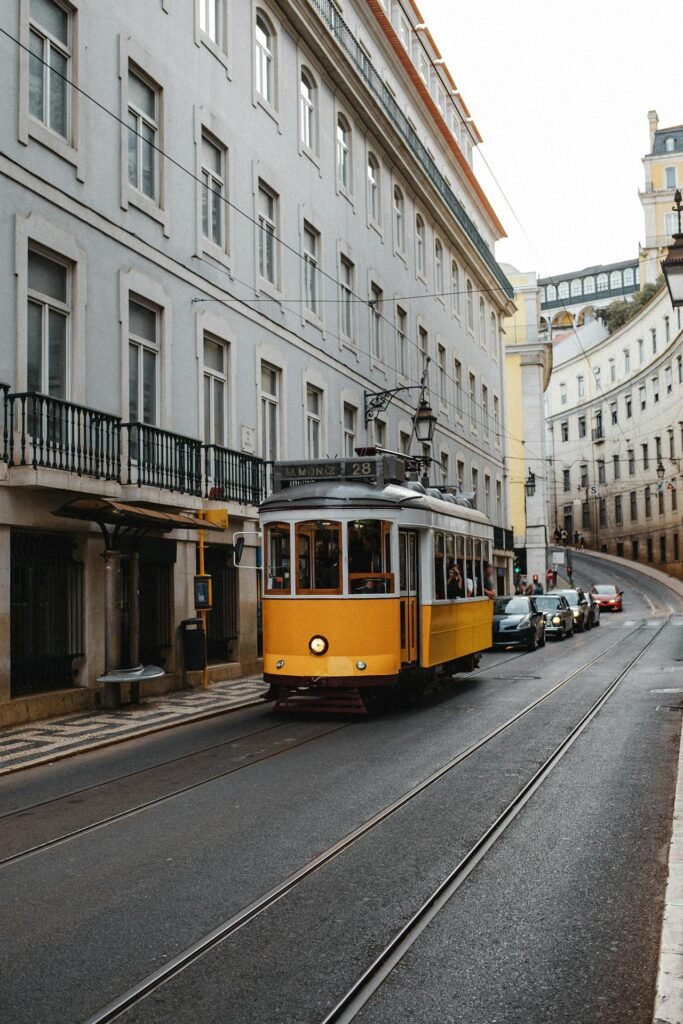
The carriage of the tram moves slowly that you can even see things. The path winds up and down rocky hills that would make walking the trip exhausting, and leads you down into the lower section of the city. Since it is the way Lisbon flows. A tip is to sit on the left facing toward Estrela.
Baixa & Praca do Comercio (11:00-12:00)
Here the tram sets you down at the rebuilt lower city of Lisbon in Baixa. Following the destruction of Lisbon after the 1755 earthquake, the Marques de Pombal resettled this whole neighbourhood on a grid pattern a drastic break with medieval anarchy. It is now a mix of history and business with large plazas and walk streets that you can easily pass by.
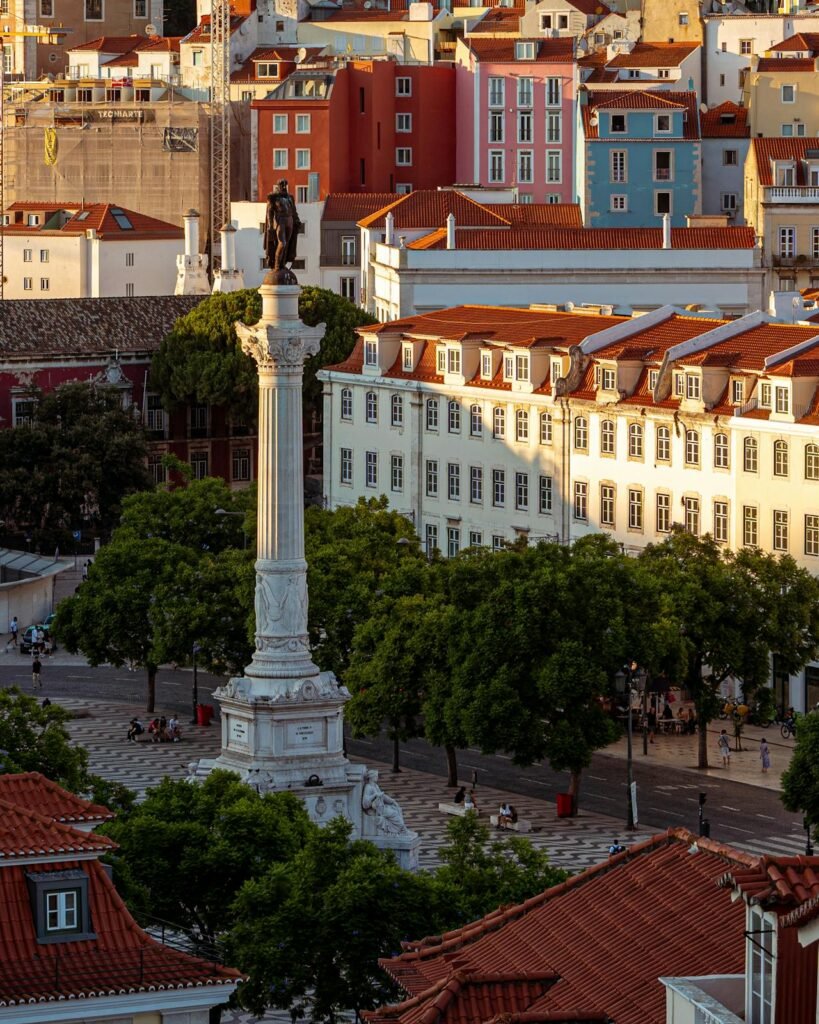
A stroll along Rua Augusta, the shopping avenue in Lisbon, but do not become lost in the shopping. The constructions here are a history of Portuguese architecture in themselves. The street leads to Rossio Square, formally the Praca D. Pedro IV, with the wave pattern of its pavement, black and white. Lisbon is concentrated in the square: people are rushing in between the Metro and their jobs. It has something theatrical about it and this is particularly in a clear morning when the light is crisp.
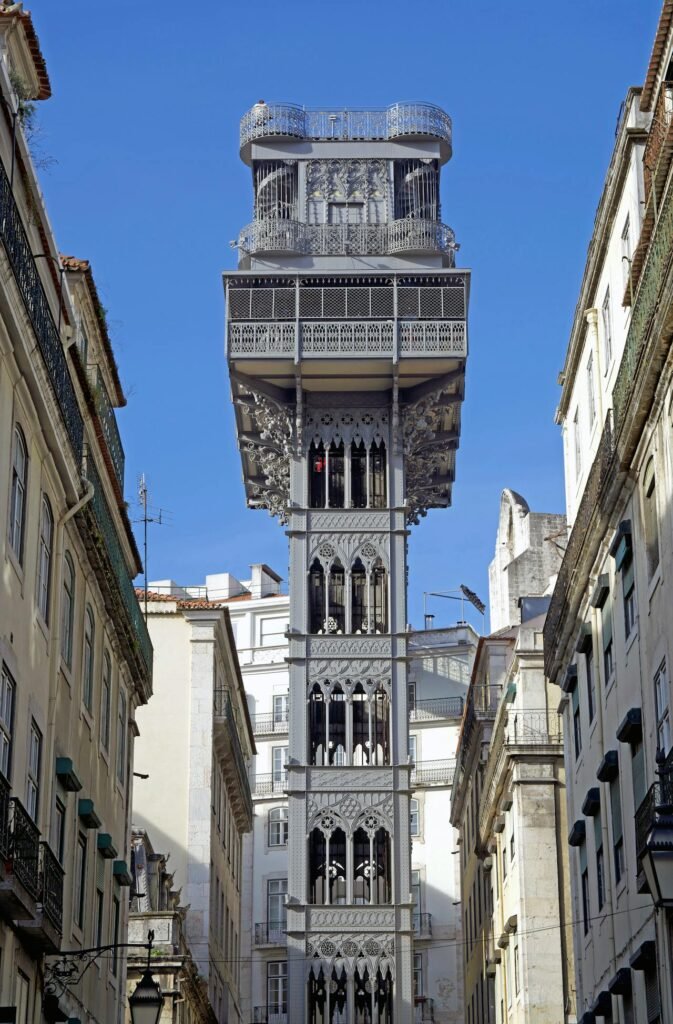
The Elevador de Santa Justa, 32 meters, is a Gothic iron sculpture, which ascends of Rossio. This vertical elevator was constructed in 1902 and has served to transport people between the Baixa and the Carmo neighborhoods in a century. The city is scattered down under you on every side, and you see the castle keeping an eye on all on the eastern hills.
Finish this part of the morning at the A Brasileira Cafe in Rua Garrett. Have a seat where writers and artists have their seat, have bica (espresso) or galao (similar to latte). The cafe is tiny, crowded, just what a cafe in Lisbon is supposed to be.
Lunch (12:00-13:30)
Lunch at Time Out Market
That is why people continue to queue at Time Out Market, despite it becoming a tourist attraction. It is located in an old building, which has been restored on Rua de Augusta, and it is where the Lisbon food culture is condensed into one colorful space.
Start with bacalhau a bras. Those unbelievably thin slices of salt cod which have been fried crisp and mixed with matchstick potatoes and olives. Unless seafood is beckoning, the pasteis de nata here were calling out otherwise when you eat it straight off the kitchens, the pastry still hot enough to give out that vanilla-cinnamon steam.
Afternoon (13:30-17:00)
Belem District
It is worth going to the tram stop or a taxi that is heading west after lunch. It is the 15-20 minutes ride to Belem, which transports you out of the busy core of the city and into the area that has the heaviest burden of history. When you get there you’ll see why: the Age of Discovery of Portugal was prepared there; and that legacy encumbers Belem with the weight of itself.
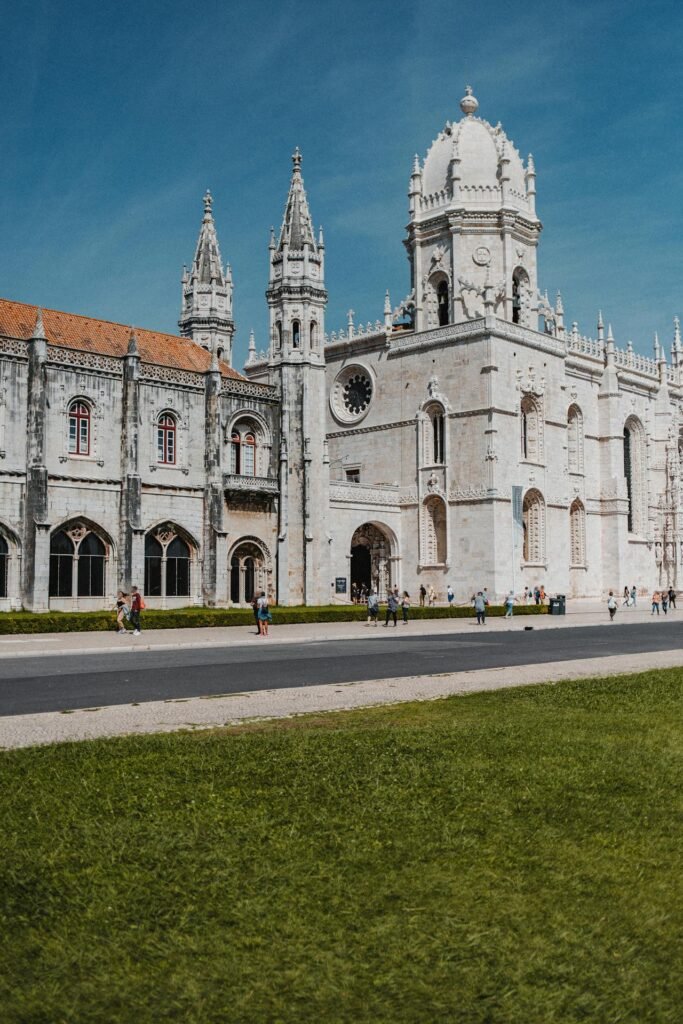
The first structure to be noted is Jeronimos Monastery, which is a masterpiece of Manueline architecture but somehow finds a way to be delicate. This UNESCO World Heritage was built between 1501 and 1601 as a religious sanctuary of explorers who went on journey to the far away territories. As you stroll in its cloisters it is centuries of Portuguese seafaring heritage that you are walking in. The complex carvings in stones, ropes, spheres, signs of navigation narrate about a nation that is obsessed with the horizon.
The Belem Tower protrudes just across the Tagus River, as though it were a ship shipwrecked in the middle of the trip. Constructed in 1519 as a defense tower, and the starting point, this legendary limestone tower has seen numerous ships pass by to Africa, Asia and the Americas.

The same spirit is captured in the Monument to the Discoveries in a dramatic spirit. A real caravel bow, which sticks out before the river, with statues of the historical characters who molded the epoch of expansion of Portugal. It is tourist-approved and it is also truly touching.
Pasteis de Belem Bakery was founded in 1837, so you have to visit it before you leave Belem. It takes one bite and you will feel the difference. The pastry is more delicate and the incorporation of cinnamon is less vigorous and the custard is smoother. It’s worth the wait in line.
MAAT Museum or LX Factory (16:00-17:00)
The exhibitions are regularly changed inside, but the space is always occupied by installations. In case you are in need of something more urban, LX Factory is the source of urban creativity in Lisbon. This is a massive maze of artist studios, vintage stores and street art in an old industrial compound in the Marvila neighborhood. You will be bumped into galleries, vintage record stores, coffee shops that have incoherent furniture and enough murals and graffiti to fill a notebook of phone photos.
The time factor is important in this case: MAAT will shut down at 7 PM, whereas LX Factory will remain open long after that. Location LX Factory is approximately 20-25 minutes on the public transport or taxi route to Belem.
Evening: Sunset & Dinner (17:00-21:00)
Miradouro da Senhora do Monte (17:00-19:00)
Situated on one of the 7 hills of Lisbon, this point of view provides a clear view of the city changing in the golden light. The name of the miradouro is historical. It is an uphill journey but worth it. Sunset here is fashionable and it is never congested.

Bairro Alto or Cais do Sodre (Dinner 19:00)
At 7: 00 PM, Lisbon wakes up to the appetite. There are two neighbourhoods competing equally to win your attention, and they are the opposite of each other in terms of the kind of evening they offer.
Alfama’s Fado Experience
In case you want to experience the soul of Lisbon, then have dinner in a fado restaurant. Eat next to strangers in communal tables, get a simple grilled fish or chicken, and hear as a fado singer (who has generations of practice in her voice) sings ballads of loss, love, and longing.