


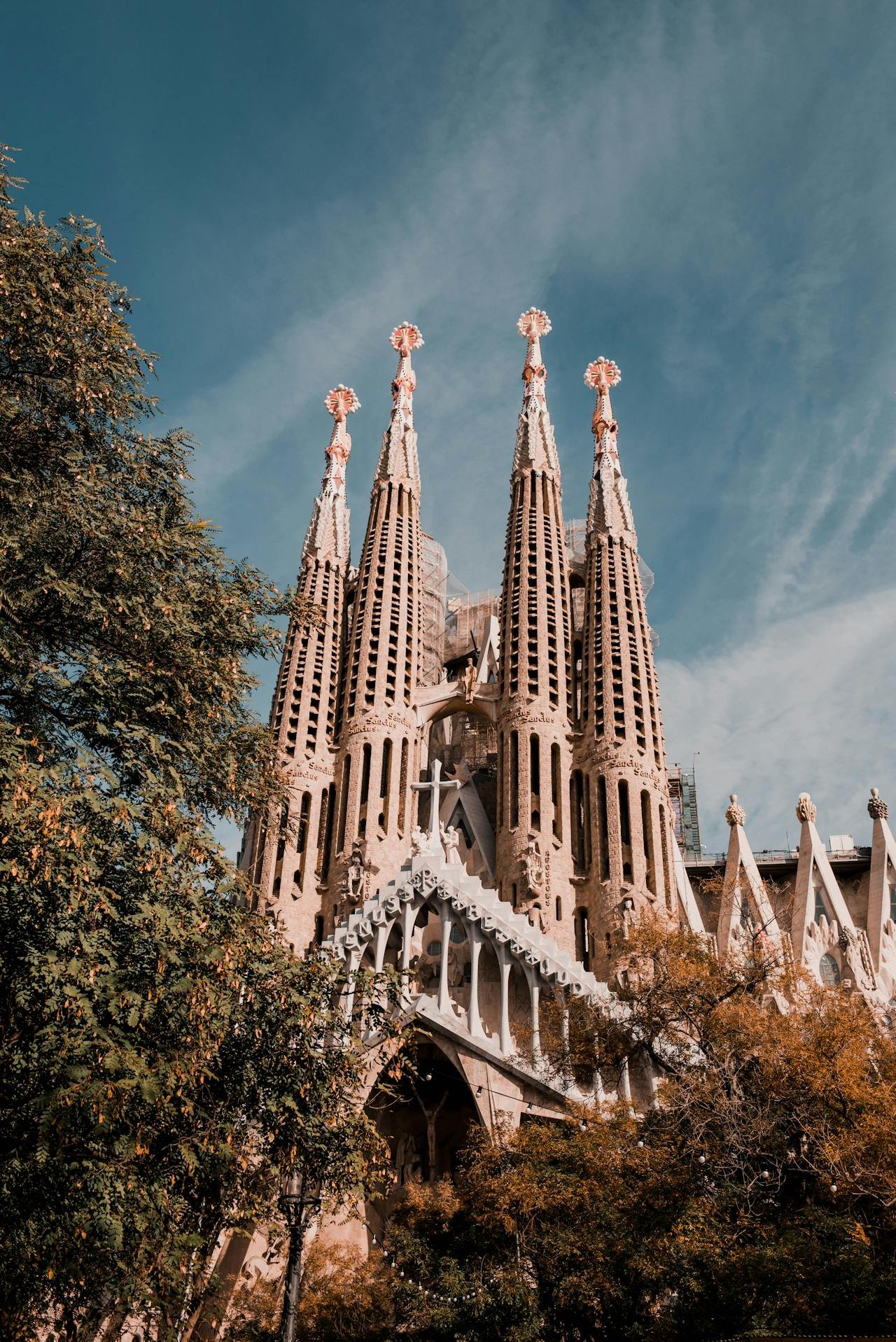
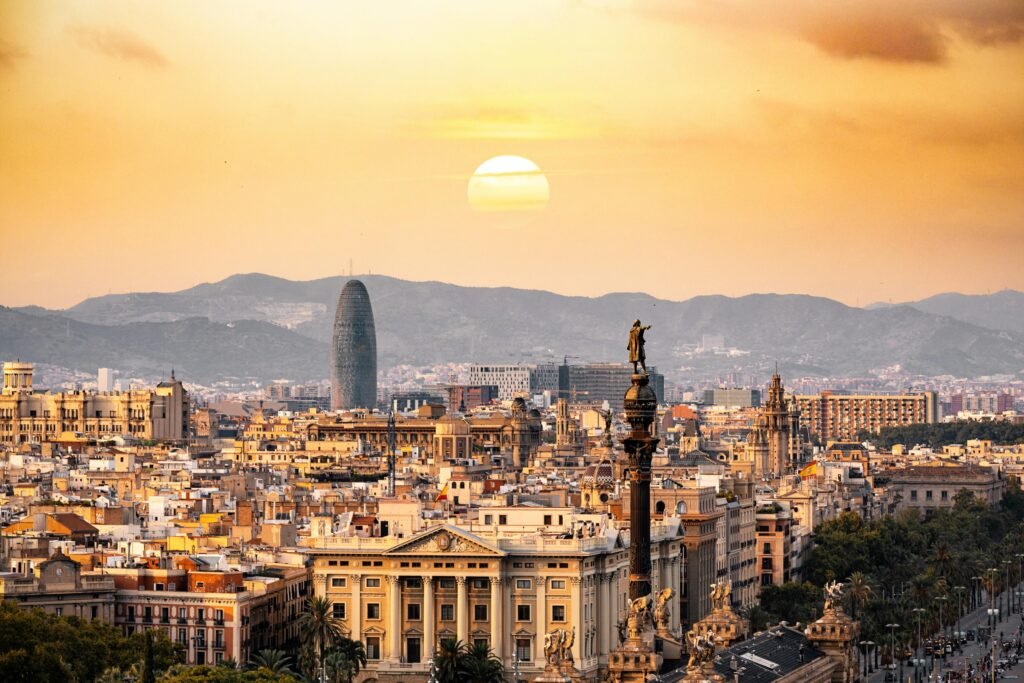
Barcelona is a place that cannot be seen in a hurry, but its vitality, excellent architecture and Mediterranean flavour can be enjoyed in a significant way within 24 hours only. With this guide, we will guide you to the seasonal rhythms of Barcelona and find the best time to visit this Catalan treasure that encompasses all aspects of weather patterns and tourist traffic in addition to the local festivities and other practical aspects that will see you maximize your one day visit to this memorable city.
Spring (March – May)
It is the season of spring in Barcelona and the city literally wakes up. Following the silent months of winter, the month of March is the first time when the warmth is not so stuffy as in June. The claustrophobic medieval streets of the Gothic Quarter are ideal to take a stroll in August when the afternoons are sweltering. The gardens at Park Guell are bursting with colour and La Rambla is filled with a rhythm that is not exactly tourist-friendly. This is where Barcelona opens up to those who have the time to walk around.
Warm but not hot. The city is covered with flowers. The plants spread their blossoms all over the city in the splendid shows in the parks and terraces. The climate is perfect walking weather to spend some hours of exploration without having to flee in the air-conditioned museums or cafes. It is between 12-18 degree a comfortable range of temperatures, which helps to explore the neighborhoods at a slow pace.
Festivals: The day of Sant Jordi (April 23) makes Barcelona look like magic. This is the Barcelona version of the Valentines day and the festival is named the book and rose festival, as it is actually called. The whole city is crowded with book and rose vendors. The people of the town give presents with sincere intent it is romantic, literary, and wonderfully quaint. Streets of the Gothic Quarter and all over neighborhoods are turned into improvised book markets and flower stands. It is the type of celebration that is very Catalan as the place is proud of romance and literature.
Summer (June – August)
The beaches are full of swimmers, top bars are vibrating until 3 AM. The heat in the middle of the afternoon (usually 32 degree above) can be oppressive. The days are very long almost 15 hours which implies one can do early morning swims to nighttime strolls within the urban area. The long daylight also provides ideal conditions of night outings and exploration of the sunset.
Special occasions: Festa Major de Gracia (August) is the time when the Gracia district is transformed into a festival that is incomparable to others in the city. The streets are adorned with spectacular innovative pieces of art by locals. Nighttime is filled with music and food stands. It is free and as though it is a neighborhood block party that somehow invaded an entire district. The energy is home-grown and natural. This is not a tourist event but the residents of Gracia celebrating their neighbourhood. The local people sit and have a meal, drink and have fun together. It embodies the local feel of the residential areas of Barcelona.
Autumn (September – November)
Barcelona is the autumn of those who really wish to live in the city. September is still warm. The sea is swimmable until late in October. The blazing heat of summer dies away. By October, the city exhales. The tourists get thinned down to nothing, hotel and restaurant charges are lowered, and you start noticing locals leading their lives instead of maneuvering around tour groups. Tapas terraces resume with locals coming to have drinks and have a chat.
The sea is still warm enough to swim in, especially in September and at the beginning of October when the temperatures of the water are approximately 24-25 degree. The weather is almost ideal: hot days (20-25 degree), cool evenings and sunny weather in general.
Local events: La Merce Festival (end of September) is a big parade in Barcelona that offers performances on the streets, pyramids made of people (castellers), fire performers and concerts all over Barcelona. It is anarchic, colorful and genuinely Catalan. The festival is a demonstration of the traditions of Catalans and the modern culture of Barcelona in a head-on clash on the streets. In contrast to the events of the summer that are crowded with tourists, La Merce is a serious event that is attended by locals only. It is the type of festival where culture can be performed to tourists.
Winter (December – February)
Winter Barcelona is one of the secrets that not many tourists can find. When much of Europe is cowering in cold, Barcelona sunny days with an average of 8-14 degree. There are some occasional rains, not cold enough to get snow. Barcelo winters are rather characterized by wetness in every now and then than the bitter weather. Sagrada Familia is not overwhelming the first time in months and you can even see artwork in La Boqueria market without being swept by crowds. The price of accommodation reduces drastically, and thus winter is the season of the low end traveler.
What to see: Sagrada Familia and Casa Batllo are worth seeing without having to fight through the masses of people as happens the rest of the year. You are even able to stand up and admire the architecture without being pressured. Indoor markets such as the La Boqueria can be explored at your leisure, eating the local foods an exploration of the vendor stalls. Spend days in museums such as MNAC ( Museu Nacional d’Art de Catalunya ) or Picasso Museum where you can spend actual time on the works rather than being a tourist-in-a-hurry. The walks around the Gothic Quarter in the morning during winter days are never the same. The deserted medieval streets bring one to a different age. Things to do without shoulder-to-shoulder crowds in the parks and viewpoints. A cafe culture also to be found in Barcelona is in winter. Afternoons spent in warm chocolate or coffee in small local places.
Special events: Christmas lights and decorations turn Barcelona into a place between Christmas and January which makes the atmosphere of the festivities real, not commercialized. A Barcelona tradition that attracts locals in large numbers on January 5 is the Three Kings Parade in which the locals gather along streets to watch floats, receive the candy thrown out of the procession, and celebrate Epiphany.