


The last thing you want to do in Brussels is to waste a day. The food scene in the Belgian capital does not just indulge starving tourists with waffles and chocolate, but is much more extensive than that. The food in Brussels is very much Belgian and unexpectedly cosmopolitan at the same time due to centuries of being a crossover of Europeans.
Morning
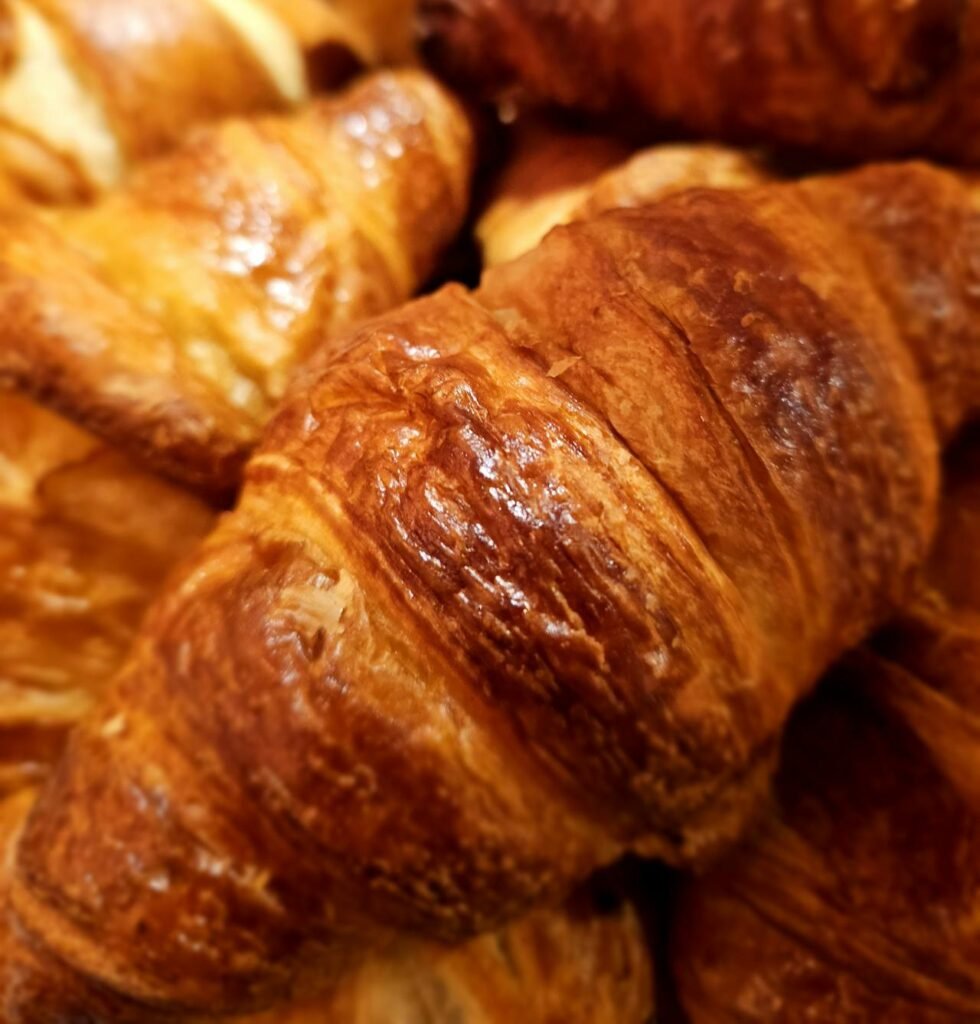
Mornings in Brussels are started by the smell of butter and freshly-baked dough in the streets. Bakeries of the city are open early in the morning, their windows are full of golden croissants which break right after the first bite and inside them you can see the layers of flaky pastry. These are not the fast food ones that you may get elsewhere. In this case, breakfast is to be enjoyed with a good cup of coffee, dark and strong and sometimes with a plain cup of white coffee in a small cafe table.
Another story is the Belgian breakfast table compared to the French or the Dutch one. New bread comes in thick loaves where the crust is still warm, and inside is a soft and pillowy centre. It has to be distinctively Belgian, but what comes with it: local jam that has embodied the flavor of the season: tart cherry, juicy plum, and fragile apricot. Belgians also particularly love spread speculoos.
Included too will be pistolets, the little round bread rolls which are so particular to Belgium, and which are admirable to cut open and put butter and jam in. They are a morning snack, but not as elegant as a croissant, more of a substantial item that people in the neighborhood buy in their local bakery without thinking. The crust is not too hard.
Midmorning
By mid-morning when the first breakfast is already sunk, and you are sweating through the cobblestone streets of Brussels, the waffle calls. This is where the tourists usually go wrong, however, not every Belgian waffle is made the same, and being able to discern the difference between them will make you someone who knows the city.

It is prepared using a brioche-style dough that is fat with butter and filled with pearl sugar that melts and caramelizes in the oven producing sweet and crispy edges. It is a waffle to be eaten with a hand, usually when it is still hot, when those crystals of sugar are at their most picturesque. It has a chewy texture, is nearly thick, which is filling. So you see Belgians eating them plain and wrapped in paper walking in parks or in between appointment.
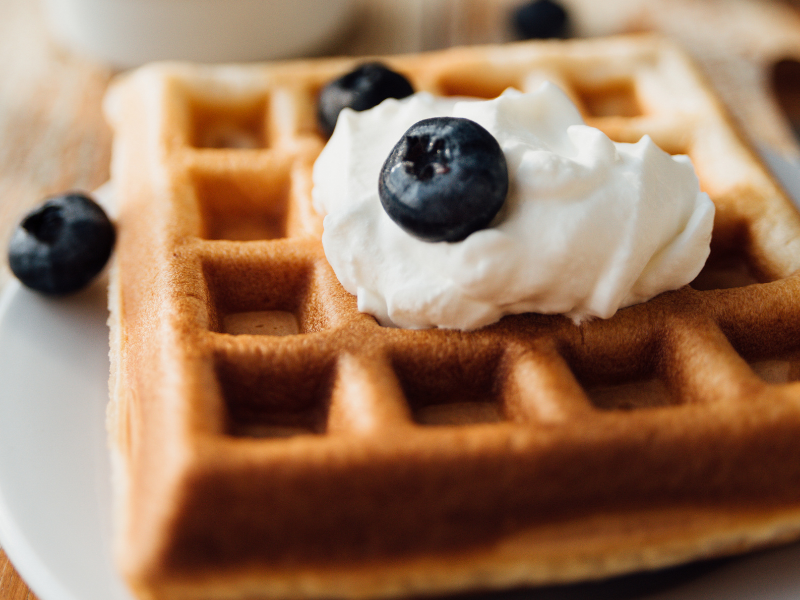
The Brussels waffle is something different, however. Light, crisp, constantly rectangular, deep, well-cut pockets this is the waffle which demands decoration. You normally find the whipped cream, fresh strawberries, powdered sugar dusting or even drizzled chocolate here. The waffle is a more neutral vehicle of whatever is placed on it, but their butteriness is still shining through.
Lunch
Moules-frites is not only a lunch. It is something that the locals have mastered throughout generations. The mussels come in a shiny black pot, fat and shiny, and in a broth of fragrant white wine, garlic, celery and parsley.
The magic of lies in the simplicity. Fresh mussels are all it takes; a good wine and fresh herbs to make something special. You take them with your hands, and eat them with an empty shell as a pincer to take out the rest. An approach that is primitive and sophisticated at the same time.

These aren’t just any fries. The frites in Belgium are fried twice, as this gives them that contrast, crispy outside and potato mousse-like inside. They are thick-cut, and are never greasy and are served in a paper cone which gets more greasy as you get down. Salt them generously.
Afternoon
Pralines are its technical mastery on the part of Brussels. These are not pralines as the Americans call them. Belgian pralines are chocolate shells which are hollow, having impossibly thin shells, stuffed with either ganache, buttercream or a liqueur which floods your mouth the moment you bite in. All of them are miniature architectural works: shiny, geometric, they may be hand-painted or stamped with the elaborate patterns.
The truffles in this case are quite another thing. However, inside, the ganache is so smooth that it is like velvet melting. You have a bit of chocolate and then cream, followed by faint flavors of vanilla or rum or orange only to find them when the truffle is in your mouth.
Dinner
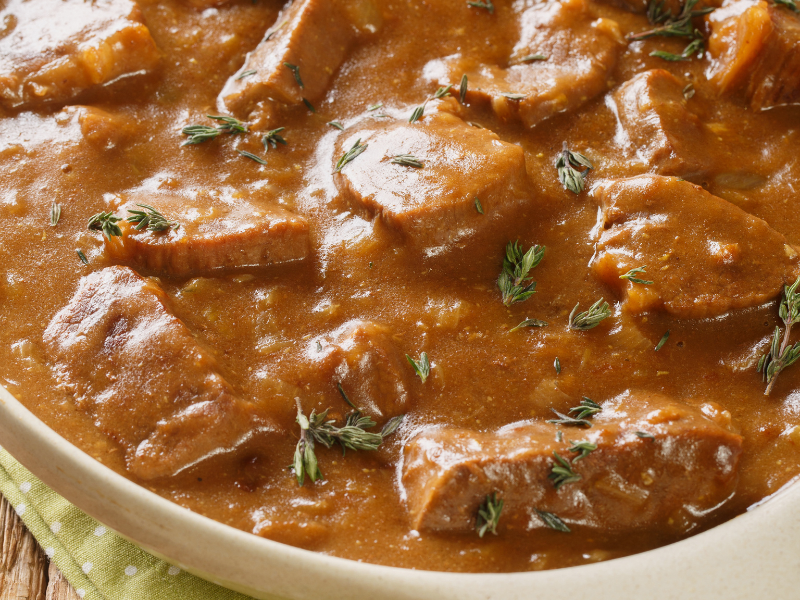
Carbonnade flamande is a reinvention of beef stew in a Belgian way. They are cooked in black beer instead of red wine and this changes everything in the dish. The beef is usually Chuck or shoulder and simmers away hours before it falls apart even with the slightest flick of a fork. Onions are melted in the liquid, which adds sweetness that balances the bitter flavor in the beer.
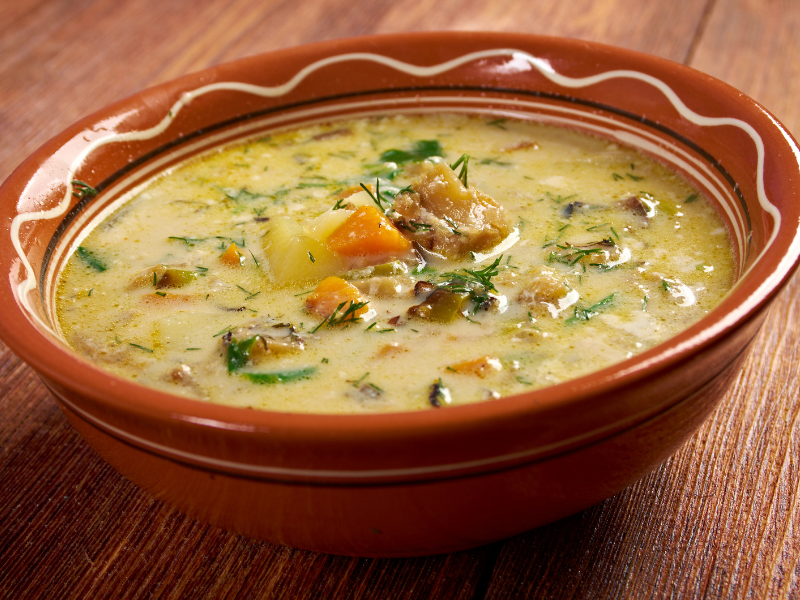
Waterzooi serves a milder version of stew. This is a custody broth that was creamy and pale and wrapped round either soft chicken or fish. Conventionally pike or eel, but nowadays cod or salmon is used. Its very name, that is, watery mess, speaks little in favor of its chast grace. Vegetables simmer (leeks, carrots and celery) to tender, then cream and egg yolks are whisked in to produce the velvety sauce that is much lighter than it ought to be.
Then there is stoemp, the unrecognized giant of the Belgian cuisine. On the face of it, it is a simple treat of mashed potatoes but it is like calling a cathedral a building. Stoemp combines the vegetables with the mash carrots, leeks, Brussels sprouts, cabbage, kale of any season. The vegetables are cooked until soft and then it is mashed along with the potatoes and a good knob of butter. There is cream now, sometimes milk, constant salt, a kind of grind of black pepper. It is also rough and rustic interrupted by chunks of green or orange. It is in a heap with sausages or bacon, and when you cut into it steam comes up and the smell of earth and butter comes along.
FAQs – Frequently Asked Questions
Waffles, moules-frites, chocolate and fries.
Yes. A Liege waffle is also chewy and sweet whereas a Brussels waffle is light and crispy.
Yes. Taste stoemp, cheese croquettes and vegetarian waffles or chocolate desserts.