


Spring
March
The transition period is during March (Late March in particular). The temperatures range between 4deg C and 12deg C and as much as you have to put on a jacket, it is the expanding days which make it more comfortable to explore. The cherry blossoms at Mauerpark normally enter their act towards the end of the month and then give those postcard perfect moments that Berliners are waiting to all winter.
April
It is in April that spring really comes. Once the weather reaches 8degC to 16degC the Tiergarten turns into a field of fresh green and outdoor beer gardens begin opening their doors. The city is not in the season of highest tourist numbers and thus you will actually get to enjoy museums such as the Pergamon without having to battle through crowds.
May
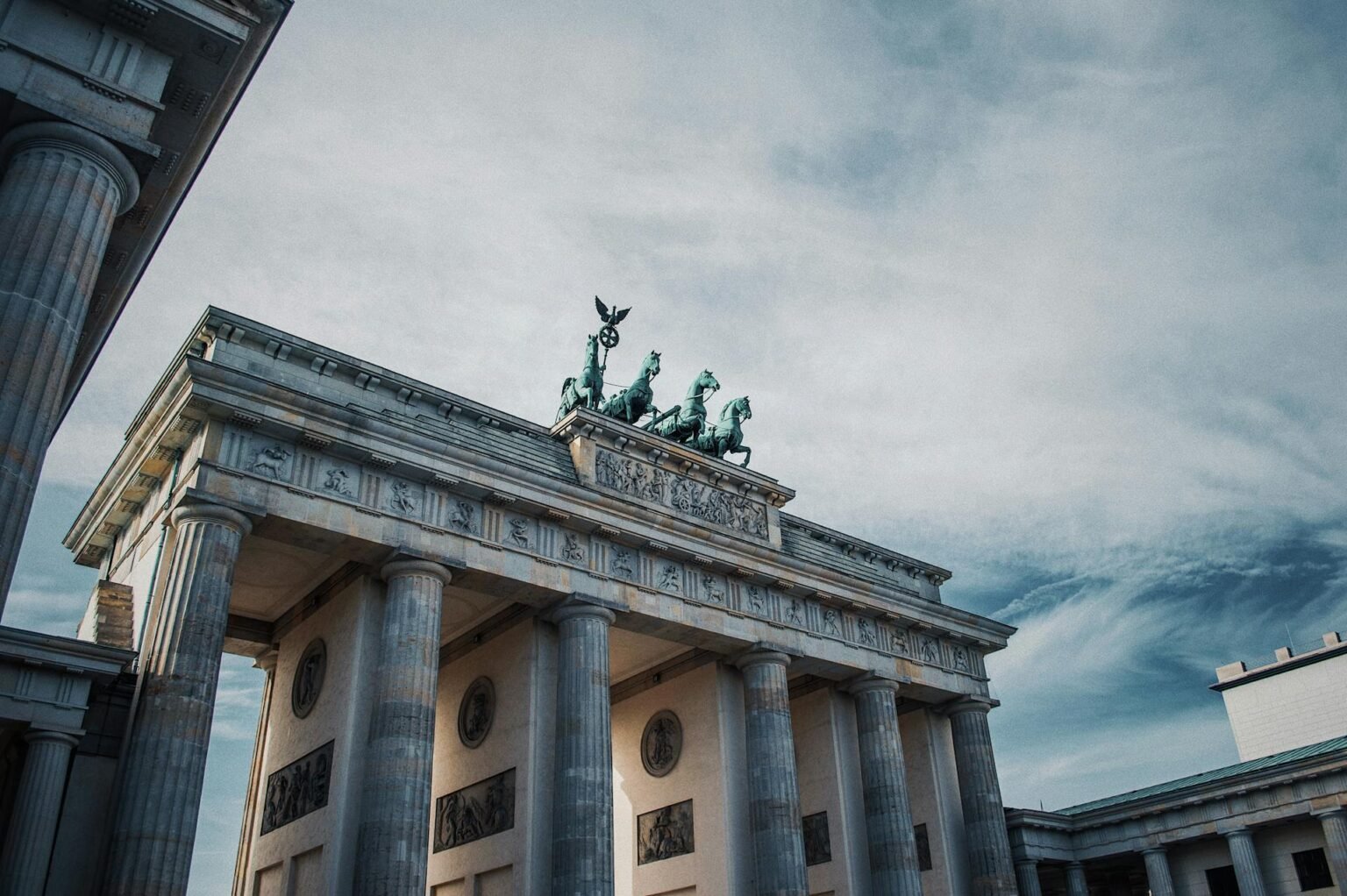
May is the most predictable month with 14degC-20degC weather and the city is vivacious. The sidewalks are packed with outdoor cafe seats and you can comfortably walk between Brandenburg gate and the museum island without continuously peeking at the weather app as it gives more hours of daylight which is very important when you have just one day to explore Berlin.
Summer
June
June provides what every tourist imagines when he or she thinks of Berlin. The temperatures are 14degC to 22degC, and the sun will not set till at about 10 PM. I have eaten dinner at Prater Garten in the Prenzlauer Berg at 9 PM and the daylight still had its full. The city is not is bustling but full of free concerts held in open areas such as the Fete de la Musique.
July and August
Hot weather ranges between 17degC to 25degC in July and August and at times it reaches a higher value during heat waves. And this is what guidebooks can never tell you about Berlin: it is not a heat city. The majority of older buildings do not have air conditioning and some of them are museums and restaurants.
The Landwehr Canal and the Spree are made the lifelines of the city. The beaches at the Badeschiff and Strandbad Wannsee are filled with locals, and to a one-day visitor, the paths on the waterside are the most cooling.
Autumn
September
September still has warmth of summer 13degC to 19degC and with significantly lesser tourists. The queue lines at the museum are reduced to a crawl and you will be able to enter restaurants.
The wide parks of the city transform into color palaces. The chestnut trees in Tiergarten are bright yellow, and the walks in Grunewald wood provide that kind of fresh air walk which clears your head after a visit to the museum. The last weekend of September is filled with the Berlin Marathon that takes over the city and presents its challenges and ambiance depending on how well you will withstand crowds.
October
October also has the typical autumn temperatures of 8degC to 14degC and it is at this time that I would strongly suggest visiting Berlin in a day. The German Unity Day is a national holiday on the 3 rd of October and it turns the city into a unification celebration. The Brandenburg gate is the site of a huge street festival, and even though it is swamped with people, it is a historic and culturally enriched place.
The light is late in October wonderful. The reason they refer to it as the golden hour season is that the low position of the sun gives warm colors throughout the day. The modern architecture of Potsdamer Platz the Memorial to the Murdered Jews of Europe, even the graffiti-covered buildings in Friedrichshain. All the things appear more dramatic.
November
The temperatures are reduced to 4degC to 8degC, daylight is shortened drastically and rains are common. At the end of the month the darkness falls around 4 PM. This does not necessarily mean bad. It is exactly under these conditions that Berlin has had the cafe culture which alters the way you organize a one-day visit.
Winter
December
The period between end of November and the Christmas markets (average 1-23 December) is around 0degC- 4degC and celebratory nature that lightens the grey clouds. The Christmas market of Gendarmenmarkt is one of the most beautiful in Europe with the French and German Cathedrals and the Konzerthaus.
The December after Christmas becomes silent. Those Berliners who are able to pay it out of their own pocket vacate the city, stores shut their doors on vacation, and celebratory decorations are removed promptly. When you are visiting between 24-31 of December, you will have few restaurant choices and of public transport.
January
January is the blamelessest and the coldest Berlin. Temperatures are between -2degC and 3degC, but due to wind chill by Spree it is kind of colder. The daylight is grey and there is about 8 hours of sunshine beginning at 8:15 AM and ending at 4 PM. It is not the month to visit casually, but in case you are here, you have vacant museums.
February
February has some slight improvement. The weather is slightly raised to -1degC to 5degC in temperatures and daylight is increasing significantly week by week. In the middle of the month, the Berlin Fashion Week comes in with much energy in Mitte and Prenzlauer Berg, but it is primarily industry-oriented. As late as February you can feel that spring is coming and cafe terraces are beginning to emerge with heat lamps to heat the optimists.
FAQs – Frequently Asked Questions
In my experience of living here, it has been during October and May when it is the sweet spot. October offers pleasant daytime temperatures (8degC -14degC), significantly lower people numbers than summer peak, and the incredible autumn light that makes taking pictures extraordinary. May offers good reliable spring weather (14degC to 20degC), more daylight time to see what one wants in a day and well functioning outdoor attractions without the summer tourist-crammed crowds.
The best time to visit Berlin is winter (December through February) in case you are not interested in outdoor sightseeing but museums, history and culture. The complex of Museum Island makes your friend. You will be able to spend four hours in doors going through interlocked buildings without freezing. The Christmas markets of December are a real added value, especially in Gendarmenmarkt or Charlottenburg Palace and the Gluhwein subculture is also with Berlin.