


Rome is a city to be visited at a time when one can give it detail. It is a place where more than 10 million tourists arrive per annum and may seem overwhelming in case you arrive at the wrong time of the year, day of week, or even hour.
Visiting Rome by Season
Rome can be a destination that you would like to visit at any time of a year yet the experience is so remarkable in different seasons. When you have just one day to explore the city, the best way to spend it is to ensure that you do not have to deal with the huge crowds, adverse weather conditions or even miss the beauty of the city in good light.
Spring (March-May)
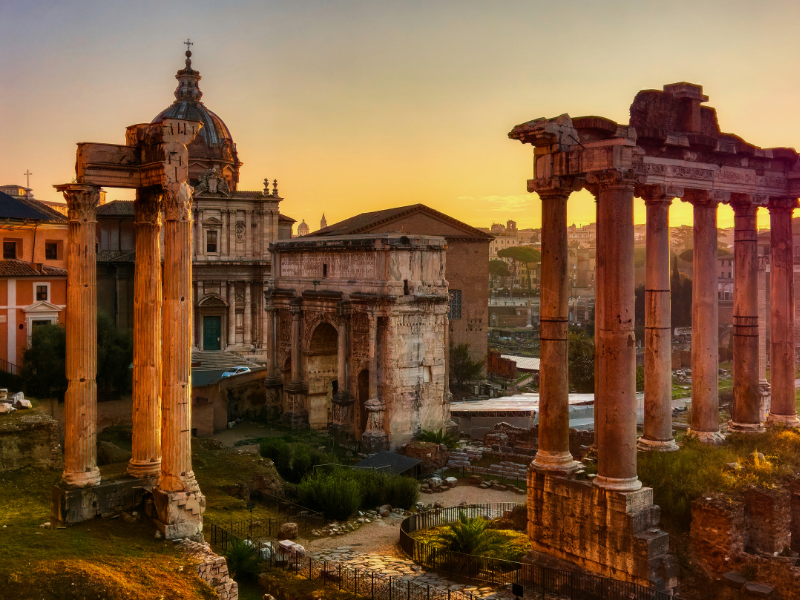
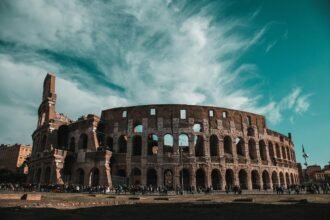
Spring by its nature means it may be possibly the best time of the year to come to Rome on a day trip. It is not hot, flowers are blossoming in the urban parks, and such outdoor attractions like Colosseum and Roman forum are pleasant to visit. One should make advance booking of tickets because crowds start to increase around Easter.
Pros: The conditions on the ground are comfortable (temperatures range between 15 and 25 C, and longer dayligh), active atmosphere.
Disadvantages: The price increases during the Easter holidays, all popular destinations become active.
Summer (June-August)
Summer is the season of long daylight hours, festivals, and active atmosphere which also brings intensive heat and serious tourism. Expect high temperatures (usually above 30 o C or 86 o F) and long lines everywhere in peak-season. Some residents abandon the city in August, thus making fewer shops and restaurants open.
Pros: Prolonged daylight (it is a good time to visit sightseeing sites), a wide range of cultural events.
Disadvantages: It can be excessively crowded and there are no seats during the hottest part of the day as well as expensive hotels.
Fall (September-November)
Autumn is as enjoyable a season as spring, to Rome. September and October in particular are very good options: the weather is becoming cooler, the number of visitors is carefully reduced, and the presence of autumn sunshine makes the city very photogenic. November is less crazily busy but it usually rains
Pros: not so hot weather, not so many people, fantastic mood.
Disadvantages: Rainfall These happen in the later autumn; the days get shorter.
Winter (December-February)
Winter is one of the least popular seasons in Rome, which is why it is ideal when a person needs quieter experience. It is fur-coat-and-wellington-boots fashionable at Christmas, with decorations and markets, and though the sightseeing is not such enjoyable, there are much fewer line-ups at major points of interest. The months of January and February are the slow ones, which are favorable to traveling on a budget.
Pro: less people, christmas spirit.
Disadvantages: Short daylight, cold weather (7- 15 degrees), rain occasionally.
The Best Months for One Day Trip
There is no doubt that being comfortable and being efficient are the two main priorities to consider when spending one day in Rome. Although the city is good to be visited at any time of the year, some months out of the year are the best to visit at despite their good weather conditions, manageable crowds and the longer sightseeing hours.
April and May: Spring
Late spring can be ranked as one of the most fruitful times you should ever visit Rome. You can experience a living city full of color, and there are blossoming gardens, and it is not too hot. These months also offer a lot of daylight to have a complete schedule.
- Why it is perfect: Pleasant climate (17-25 degrees), beautiful scenery to undertake walking tours, piazza places.
- Facts to consider: The Easter period is a traditional time in Rome when masses of people come to visit the Vatican and the Colosseum, buy tickets to Vatican and Colosseum in April even earlier.
September and October: Autumn
In autumn there is a warm glow that renders all monuments as picture perfect. The intensity of summer has died down and though September is vibrant, October is calmer with fewer people.
- Why it is best: Nice weather (18-26 degrees of Celsius), less tourists than during the high season, better price in terms of hotels unlike the high season.
- What to pay attention to: October is prone to rain troubles, so it is better to bring an umbrella or a light jacket.

FAQ – Frequently Asked Questions
May and September are the only months to visit Rome because it is not hot, the temperature is between 15degC and 25degC, the crowd is not as high as during the summer, and the prices are not too high. March through May are the months of spring with gardens in full bloom and outdoor cafe weather whereas the September to October months offer pleasant weather and richly colorful cultural shows. The shoulder seasons offer the ideal combination of pleasant sightseeing weather and escape of July and August heat and huge crowds.
Romes summers are very hot with July being the hottest month when the temperature officially stands at 32degC, but often reaches 40degC and can even remain at 45degC all through a few weeks. August is also hot with the temperature way above 30degC, and due to the high level of humidity feels hotter than the temperature. Summer may be unbearable between mid-June and August and midday sightseeing may be exhausting. Going to visit in the summertime will be a good opportunity to do things in the morning or evening and keep yourself hydrated.
The cheapest time to visit Rome is in the winter since there are the lowest hotel rates and the least number of people there. The low season occurs between the end of November through the middle of December and the mid-January through early March with less crowding at the key attractions and relatively more convenient deals on accommodation and air Travel. Although the weather is colder and wetter during these months, there are rarely times when the temperature can drop below freezing and you will have to spend less time waiting at well-known attractions and lower traveling prices overall.
The least season of Rome is winter, which is mid-January to early March and there are very few tourists in the major attractions. January is especially peaceful so that you can explore places such as the Trevi Fountain without making pushes and spend shorter queues in the most popular places in Rome. But remember that around Christmas and New Years in December there will be a crowd as a result of celebrating the holidays. In case you want to avoid large crowds, you should come late in January or February and have the most peaceful experience.