


Amsterdam is the city that can be rewarding to the short term visitor. The central city is only three kilometers in area and almost all the great attractions such as the Anne Frank House and the Rijksmuseum are within one or two walking distance of each other.
This city was constructed as a movement one by the Dutch. The trams travel along thin streets on 15 routes linking all the neighborhoods worthy of sightseeing. The number of bikes takes the place of people, and rental stores are on every third corner. The whole belt of the canal called the Grachtengordel can be walked in less than two hours, or it can be covered by tram in twenty minutes.
Walking
A longer way will be taken by your feet here than with most European capitals. The small alleys of the Jordaan, the waterways of the Canal Ring designed as a UNESCO Heritage area, the Nine Streets with its boutiques and the Dam Square full of tourists are all in one walkable neighborhood.
Whereas it takes ten minutes to cover Centraal Station to Dam Square on a slow pace of a traveler. Several minutes to cross the Royal Palace and already feel like you are in the city. The distance between Dam Square and the Museum District is twenty-five minutes, but the majority of people remain on their way to taste stroopwafels or take photos of the canals, which triples the distance. The Anne Frank House to Rijksmuseum passage will take a path of twenty minutes along Prinsengracht and through Leidseplein, probably the most picturesque part of any one day route.
Trams
The Amsterdam tourist route is served by the GVB tram which is a clockwork. There are blue and white carriages that arrive at an average of seven to ten minutes every day and would link all to all the neighborhoods that the one-day visitor needs to visit.
Most of the movement of tourists is carried out by three routes. Tram 2 follows the postcard geography of Amsterdam as it runs down through the western canal belt, under the Rijksmuseum, and into De Pijp starting at Centraal Station.
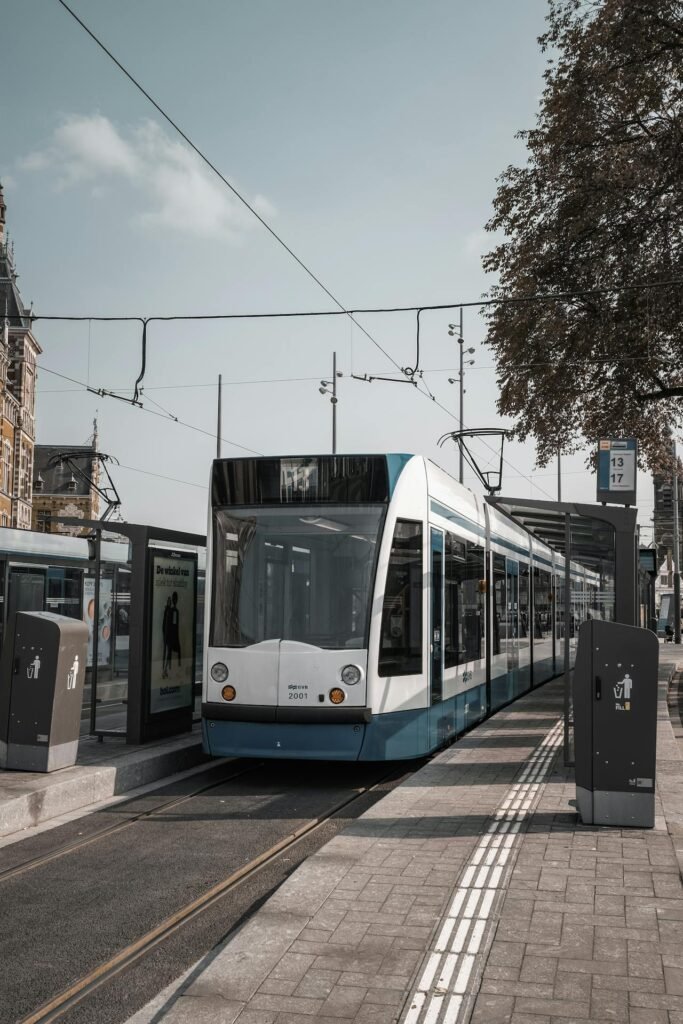
Tram 5 links the Museum Area and the restaurants at Amsterdam Zuid as well as RAI convention center. Convenient when you are making a reservation of a dinner in the evening after visiting the museums. The tram 12 runs between Museumplein and the region of the Amstel River, which encompasses the eastern route of the museums via Oosterpark.
The trams operate since 6:00 A.M. until half past midnight, after which it is substituted by night buses with a different route number. Ride trams when the place of interest is more than fifteen minutes walk away or when the weather becomes deplorable.
Metro
Amsterdam metro covers areas that traveler miss out. The Noord waterside with its cultural warehouses, the Zuid business towers, the Bijlmer Arena where concerts attract people in the whole of Europe. The system had hardly reached the historic center over the years. Then in 2018 the city completed the line North-South, and all at once the metro proved to be useful when visiting the city on short terms.
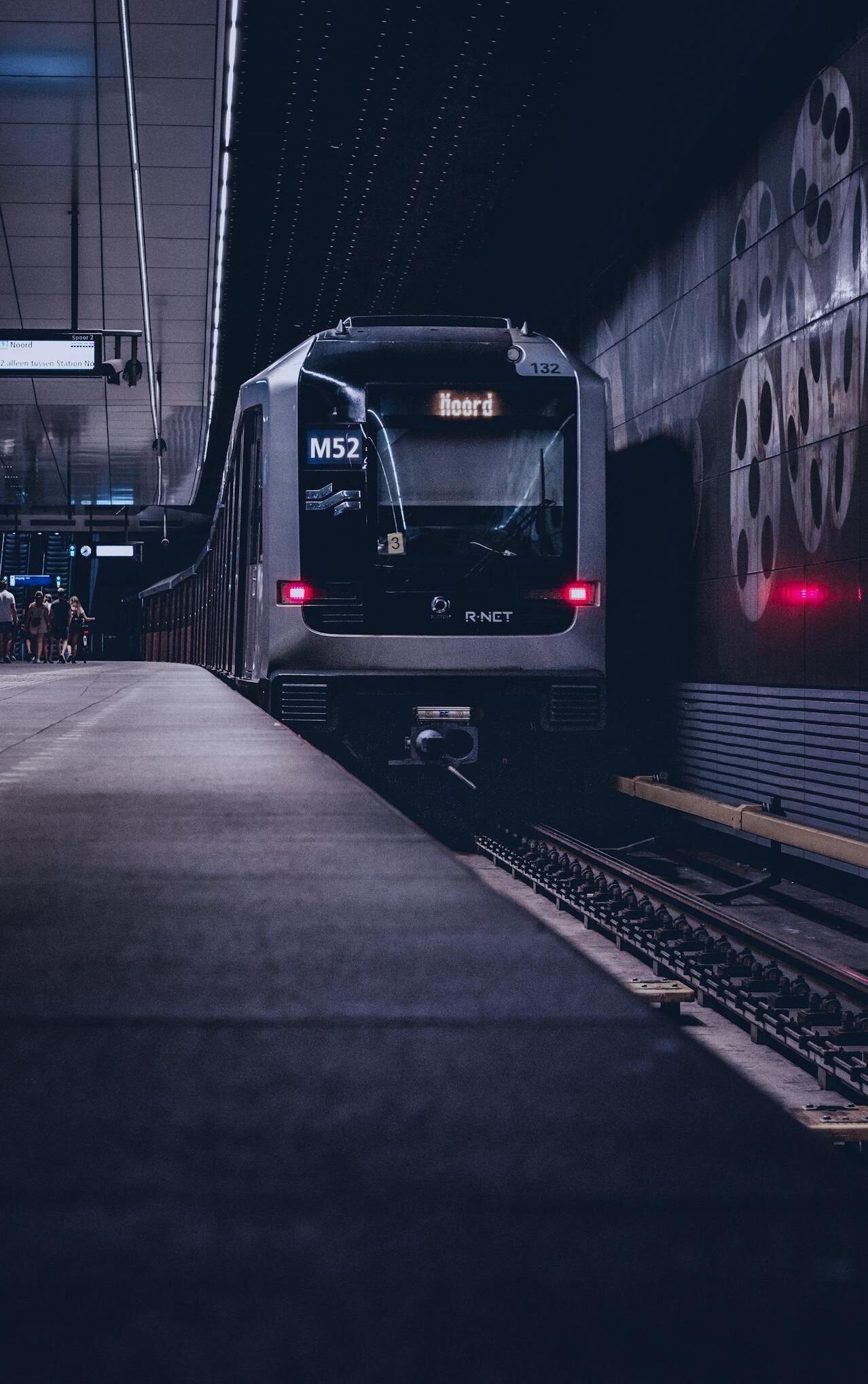
M52 is a straight line that passes through the centre of Amsterdam beginning at Noord and passing under the IJ River, Centraal Station, to Rokin (steps above Dam Square), then Vijzelgracht (near flower market) and to De Pijp and Zuid.
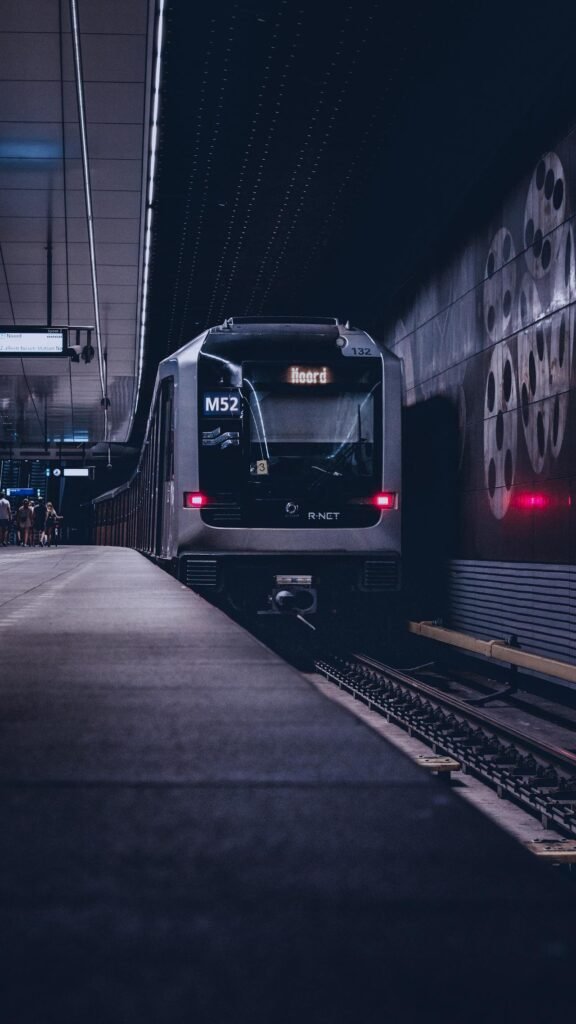
The same tap-in, tap-out contactless system of trams is used in the metro. The stations feel modern. The frequency of trains is every five-ten minutes throughout the day and fewer after 10 PM.
The majority of one-day itineraries do not involve the use of the metro as the canal ring is the place where the key attractions are situated. Consider it as a backup in the event that surface transit causes one to lose an hour due to lack of time.
Bus
The buses of the GVB of Amsterdam work with the same fare system as trams and metro. A single fare per trip irrespective of distance in the city.
Buses operate about 10 to 20 minutes or 20 to 30 minutes (depending on the route) every day, and the frequency decreases to 20 to 30 minutes after 8 PM. When the regular service is terminated at about midnight, the night buses come in to work until the first morning leave at 6 AM. These night buses have varying numbers normally preceded by N and they operate every 30-60 minutes.
The majority of routes start at big transportation stations Centraal Station, Sloterdijk Station, Amsterdam Zuid Station or Amstel Station. Based on these, the buses deviate into such areas as Osdorp, Nieuw West, and the industrial areas around the port.
Ferries
They are legalized means of transport that ferries 25,000 people a day, with Noord society members on their way to offices in the centre of Amsterdam, and cyclists who cross the water to bring back the goods. The ferries became a part of the transport network in 1897 when the Noord neighbourhood did not have road tunnels or metro links yet. Every ferry has 200 to 350 passengers depending on the ferry.
Biking
Biking gets to the destination within the canal ring quicker than any other alternative. On a bike, it takes twelve minutes to get out of Centraal Station and into Vondelpark, riding by neighbourhoods and cross streets that the trams do not serve at all. The level land is such that stamina is never a problem. Amsterdam is hardly two meters above the sea level, and the highest rise you will get is a canal bridge.
Amsterdammers live their whole life on bicycle seats. Getting to work, carrying children on front-mounted seats, carrying groceries in panniers, even shifting furniture through the use of cargo bikes.
FAQs – Frequently Asked Questions
Yes, abnormally so in comparison with most European capitals. The historic center is three kilometers in size and the canal ring system offers natural orientation. It is impossible to lose the way when waters create concentric circles around Dam Square. Most sights that the city has to offer are reachable by foot within 20-25 minutes, half of which is reduced to 10-15 by trams, and the M52 metro line along the tourist route is always available when you are in a hurry.
Strolling is free and can be used to cover 80 percent of the sights that the one-day visitors desire.
Safe in the fact that there are bike infrastructure everywhere and cars do not hit cyclists.