


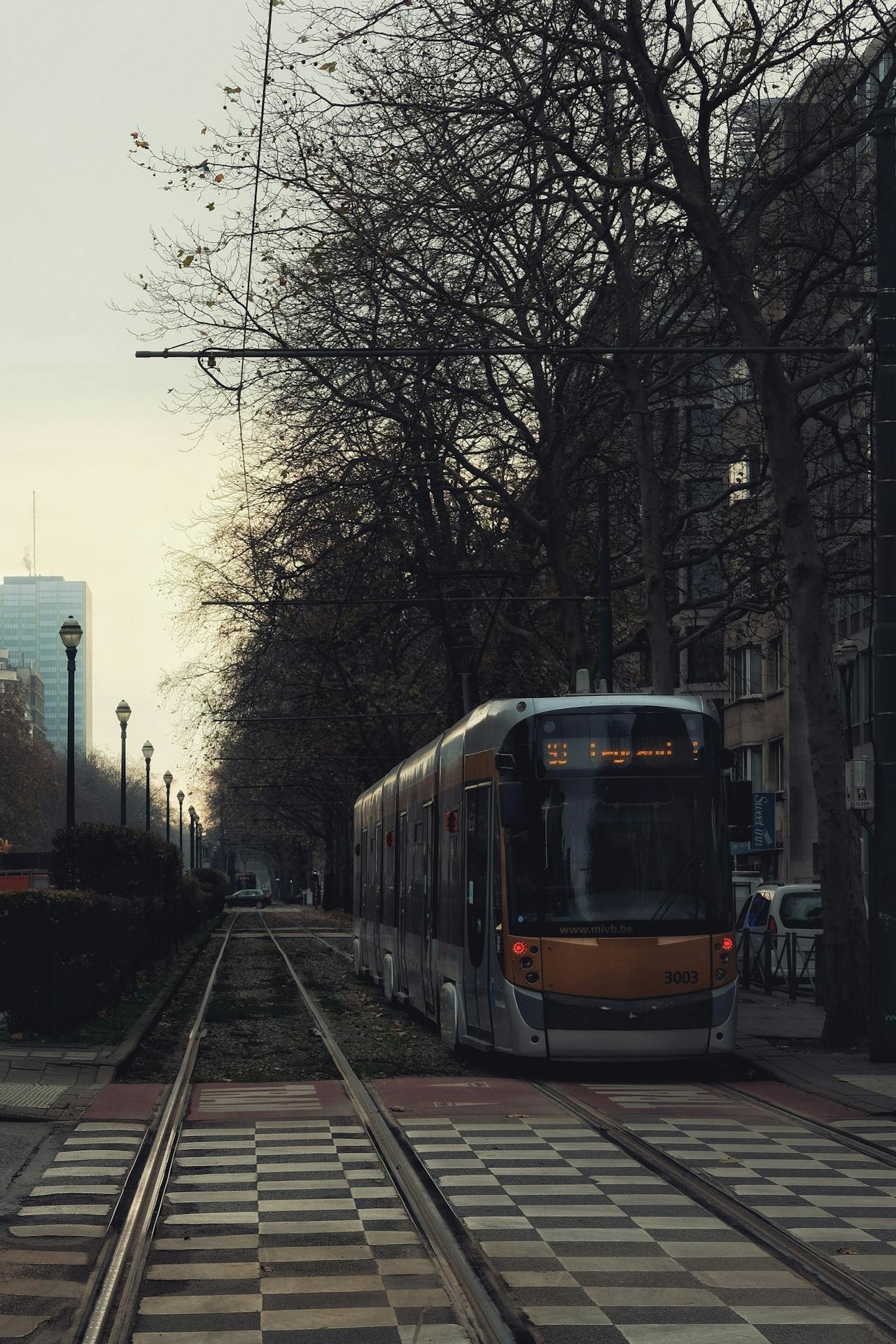
Only have one day in Brussels? Efficient transportation is the difference between an effective trip and an ineffective one. Brussels is not an overcrowded urban centre in which you will waste hours on the roads – on the contrary. You will be able to visit the European Parliament, enjoy waffles in the city centre and even get to Atomium before sunset with such a clever way of orientation.
This guide will demonstrate how to go around Brussels either through Metro, tram, bus or walking. So you don’t waste a minute.
This is what makes Brussels the perfect target of a whirlwind day the city center is incredibly small, and the majority of its attractions are with a 30 minute distance. The city is pierced by metro lines and travels in minutes, trams go past Art Nouveau facades and buses cover the gaps. More importantly, most of the attractions of Brussels are concentrated so closely that you will find yourself in a situation of walking between them and discovering chocolate shops and secret squares that you never intended visiting.
Metro
The Brussels metro is your ace card when you are in need of quick crossing the city. The network is comprised of four major lines that cut across Brussels and with the efficiency that makes even longer distances insignificant.
It is simple; four lines, color-coded that meet at the important stations such as Gare Centrale, De Brouckere and Arts-Loi. You will not become lost in some web of relationships. Majority of them are well lit, clean, and manned during the peak hours. The trains are also very frequented, with a 5-10 minutes frequency in the day time which means that one is rarely left waiting.
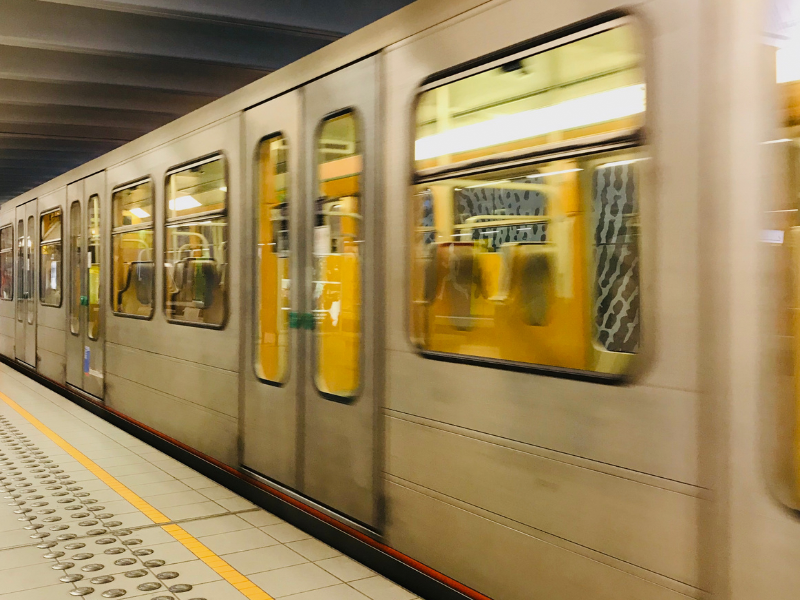
This is where the metro will come in handy during your one day itinerary:
Line 1 links the heart of Brussels with the European quarter and further. You will take this line in case you have a day that involves the European parliament or the Parc du Cinquantenaire. The Gare Centrale (one step away Grand Place) will take you to Schuman in seven minutes by jump on. Keep on to Merode in case you want to get to triumphal arch and museums of Cinquantenaire. A terminus and you fall at the edge of the park.
In line 6 beginning at the Elisabeth station, this line runs north through the city to Heysel where you will be emerging in the presence of the most surreal sight in Brussels.
The 2 nd and 5 th lines (their path is similar in many places) allow going round the center of the city and getting you to large train stations. They come in handy in case you are staying around Gare du Midi or require getting to Porte Jobnur to the up scale shopping area.
One metro ticket covers one hour on the whole of network – metro, trams and buses included.
Weekdays Metro is also operational between approximately 5.30 am and midnight, with slightly reduced working hours on weekends. This will see you through on your single-day visit unless you are thinking of a very late night out.
Tram
The alternative that allows you to see the city roll outside through the windows and at the same time reach your destination. You will pass Art Nouveau townhouses, locals lurking into the corner cafes and get a feel of how Brussels really lives outside the postcard locations.
The tram has a network stretching all over Brussels central and outer, with tracks that traverse the main attractions, and weaves through residential neighborhoods where the metro does not reach. You are on the street looking out, so you can get your bearings geographically, and see where to make some interesting deviations later.
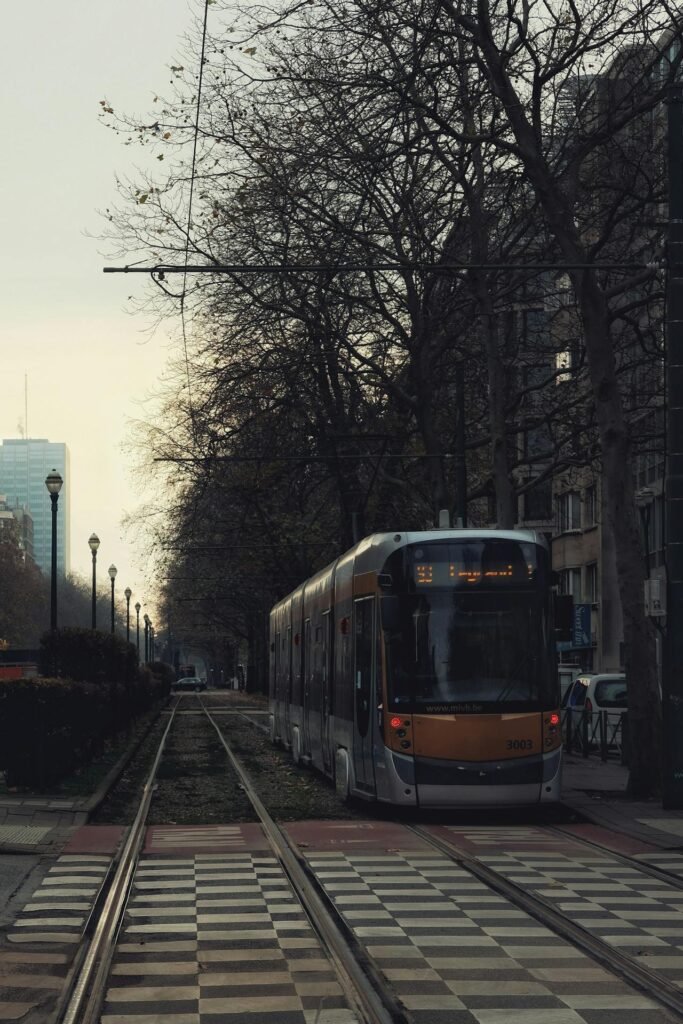
The Tram 92 or 93 is the main part of the route that I would regard as the cultural corridor. These trams have a spectacular route that takes her to the upper town in one of the most elegant neighborhoods of Brussels. Board a train next the Royal Palace and you will pass through the Sablon area with antique dealers and the best chocolaty stores of the city before heading off to Avenue Louise, the shopping street with designer shops and cafe terraces.
The scenic route linking Atomium and European Quarter is Tram 7. Beginning with the Heysel futuristic sprawl, this route is then made back through the city towards Montgomery through neighborhoods which become neither residential blocks nor elegant boulevards. It is a more scenic path that takes 45 minutes to ride the entire path. Convenient in case you intend to go to Atomium and then make a trip to the European institutions in one trip.
This is a practical observation that may be made: the trams may be busy during the rush hours (around 8-9 AM and 5-7 PM), especially on the routes passing the city center. Assuming that you have time to do some traveling, you could get a window seat by traveling in the middle of the day, or early afternoon and actually get to see the view instead of being crammed up against the doors. And trams, unlike the metro, are at times also stuck in traffic. Brussels drivers do not always make it fast to give way to the tram lanes. So add some few minutes when you are in a hurry.
Bus
Although metro and trams take the centre stage, buses quietly cover the remaining areas, accessing neighbourhoods and corners that are not accessible by the rail. Assuming that you are exploring beyond the tourist concentrated area, which I would personally suggest you to, even with the one day, the bus transportation will be vital.
The bus service is comprehensive and the routes do not overlap with the metro and tram lines. Rail is more likely to run along great arteries, buses more likely to be found in residential streets, through neighborhood markets, and along routes determined by the specific geography of Brussels. The same ticket or day pass is accepted here as well, and it keeps that seamless integration of the entire system of public transport.
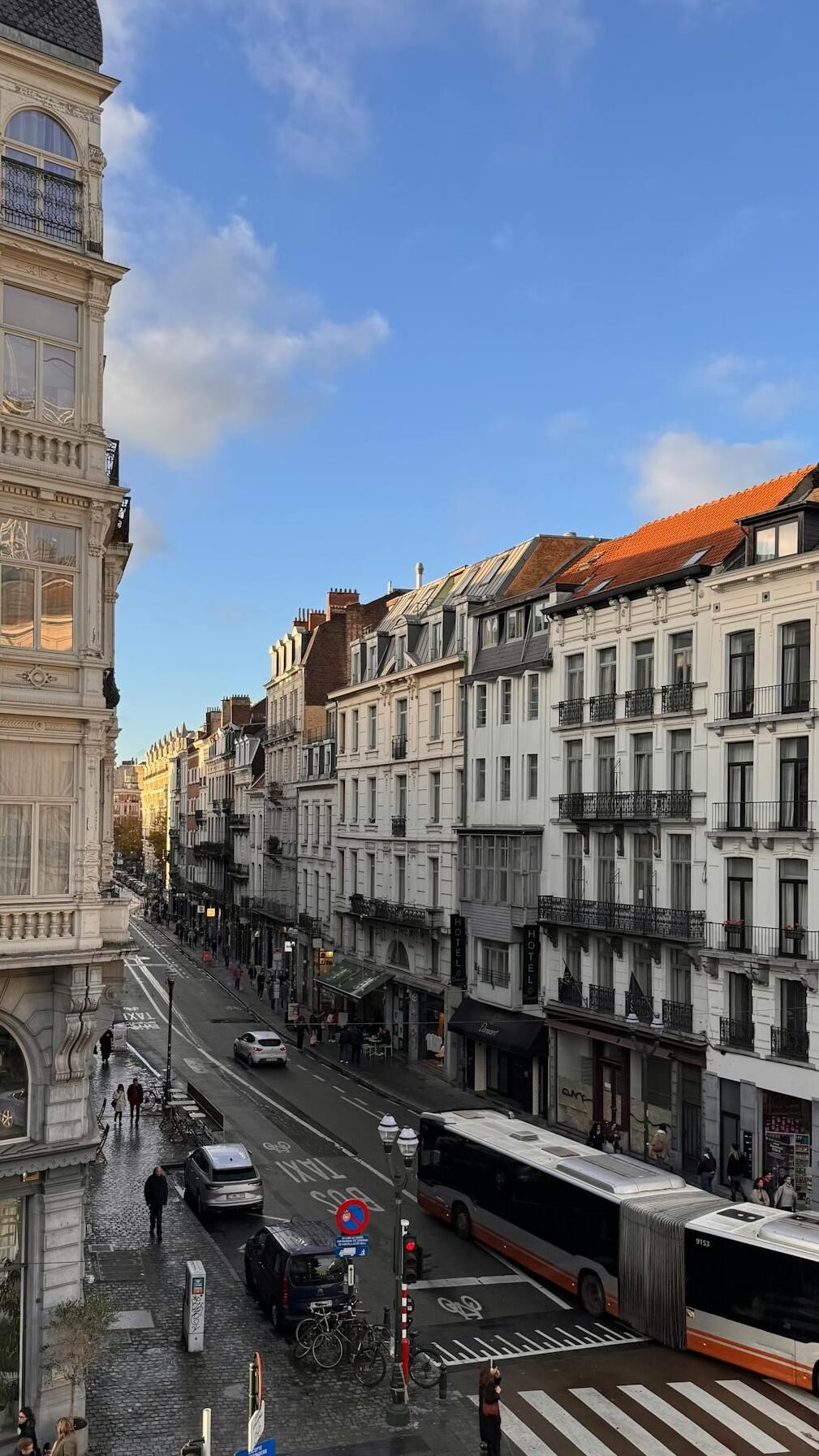
Bus 27 is among such helpful lines that those who come to Brussels could use since it basically makes a diagonal through the institutional and multicultural center of Brussels. Beginning at the Gare du Midi where most international trains arrive it runs northeast through the city to Luxembourg station (convenient to the European Parliament) and thence to Montgomery. The entire trip requires approximately 30 minutes, including time lost in the traffic jams especially during the rush hours.
Bus 95 shows the other face of Brussels. This street stretches between central Brussels into Place Flagey and further to ULB (Universite Libre de Bruxelles). This bus is your ride to Ixelles, the most lovely and authentic local neighborhood in Brussels to a visitor who is spending a single day. At the centre of it lies Place Flagey. The extensive square with a weekend market, crowded cafe terraces, a building by Art Deco and now a cultural center.
Trams also have buses that operate on similar schedules. About 5 AM to midnights with less service during weekends and holidays. Depending on the route, frequencies can range, major routes have a 10-15 minute frequency, and smaller neighborhood routes may have a 20-30 minutes frequency.
Walking
The city is to be explored on foot. The cobblestoned centre of the city in which centuries-old guild buildings lean out of tweezers and chocolate stores pour out sweet fragrance onto the sidewalks are so small that one will not have to step onto a train to move around the city.
FAQ – Frequently Asked Question
It is best to have a combination of the two. The old town (Grand Place, Manneken Pis, Royal Galleries) is very easily reachable by foot. Nevertheless, Brussels is a hilly city, and it will be better to take the metro or tram to get to such attractions as the Atomium, European Quarter, or to such neighbourhoods as Saint-Gilles.