



The metro reduces the time you spend between quarters and a ferry ride over Tagus sometimes saves you hours of time on the road. By route planning your way to places wisely, you will use less time trying to know how to arrive at a destination and more time sightseeing the city.
Walking
No better way of getting to know Lisbon than walking. The city turns out to be slowly revealed, as you wander through its streets, how the light illuminates the terracotta rooftops, how people greet each other in their corners, how the odor of pasteis de nata spreads through the family-owned pastelarias.
There is a history, character and life that are concentrated in the core neighborhoods of Baixa, Chiado, Alfama and Bairro Alto. These areas are literally walkable, linked together with the intertwined plazas and small roads that make them worth exploring. There are street performers, restaurants in the nooks of old 500-year-old buildings, people just living their day to day lives, a reality that no sightseeing bus can provide.
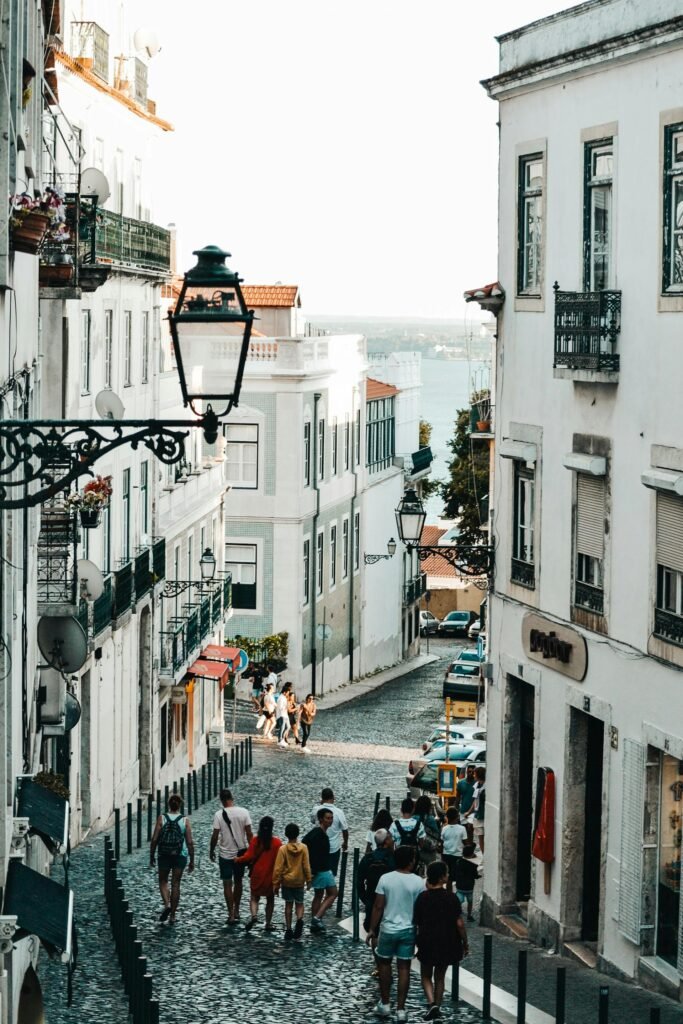
Lisbon does not have a flat topography. The city is cut off in waves to the Tagus River so you can expect real slopes on your walks. The ancient quarters were constructed on steep hills and it produces those most favored postcard scenes.
Trams
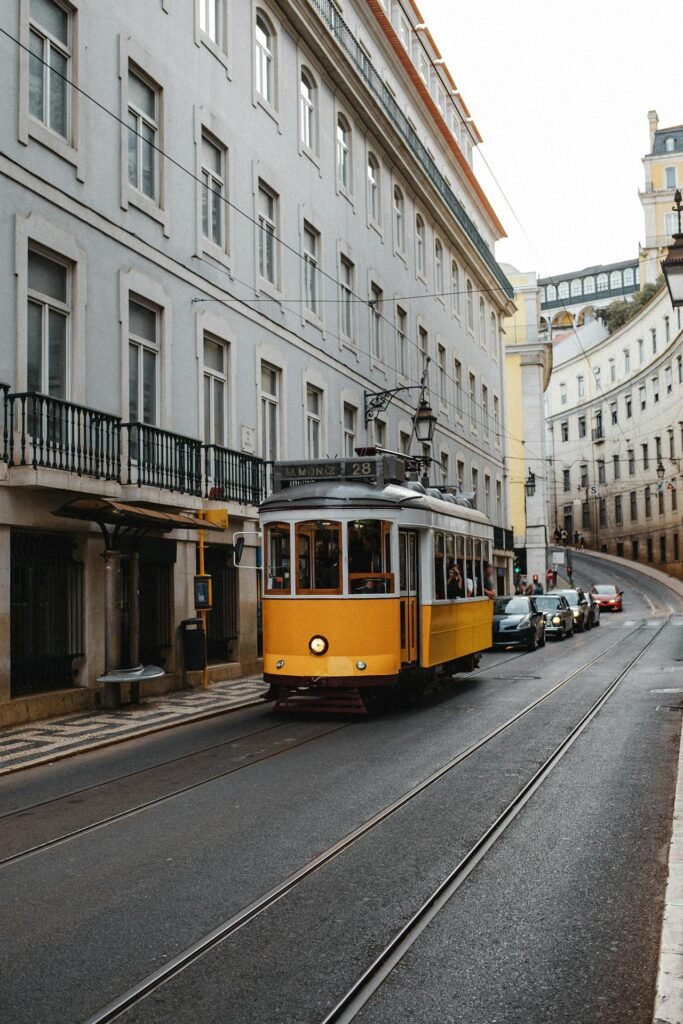
The city of Lisbon has six running trams, each of which has a number, including 15E, 25, 28. The network is further segregated by the olden day routes, the majority of them being the 1950s-era yellow trams that have been turned into a symbol and modern substitutes such as the smooth Tram 15E. These are not heritage sites; they are practical, low-cost methods of traveling around the metropolis as locals go about their business daily, along with visiting tourists.
You can get a rechargeable Viva card at a better price should you be spending more than one day. A 7-day pass is also flexibility to many visitors without the need to have to engage in the full city pass.
Tram 28
The Route: The entire trip will go through the labyrinthine Alfama district to the waterfront quarter Baixa and up to Estrela and its basilica and vast green park. The whole journey lasts about 45 minutes, but most tourists get off along the way to get around.
Additional Important Tram Lines
Tram 15E: The alternative modern. It is a modern tram that links the world of the city centre to Belem. Tram 15E is efficient and frequent, unlike the close and twisting rate of Tram 28. It is ideal in getting to the shops of Pasteis de Nata (where these popular custard tarts were founded) in Belem, the beautiful Jeronimos Monastery and the Maritime Museum. It takes about 20 minutes travel time as opposed to the 45 minutes of the winding Tram 28. This path is also full of tourists who want to obtain Instagram photos at the waterfront in Belem especially during summer.
Tram 25: Tram 25 operates on the route of Praca da Figueira to Graca and further, which is not as well-known to most tourists so that the areas it covers are not their primary destination. It is a less popular choice to have a local Lisbon experience and access such views as Miradouro da Senhora do Monte. It is not as touristy as Tram 28, and it may be your best option in case you want to experience the local flavor of the neighborhood.
Tram 12, Tram 13 and Tram 18: These serve smaller areas and most of the locals are the main users of this route. Although they are not as strategically located to serve in the tourist itineraries, they provide real local experience provided you are willing to explore and walk around without a planned agenda.
Metro
Lisbon Metro is not that old and remained open since 1966, thus being one of the youngest systems in Europe. It was a late arrival in the capital city, but when it arrived it was game- changer. Since that time, the system has expanded steadily and the most recent one took place in 2015. It is currently serving millions of passengers per year.
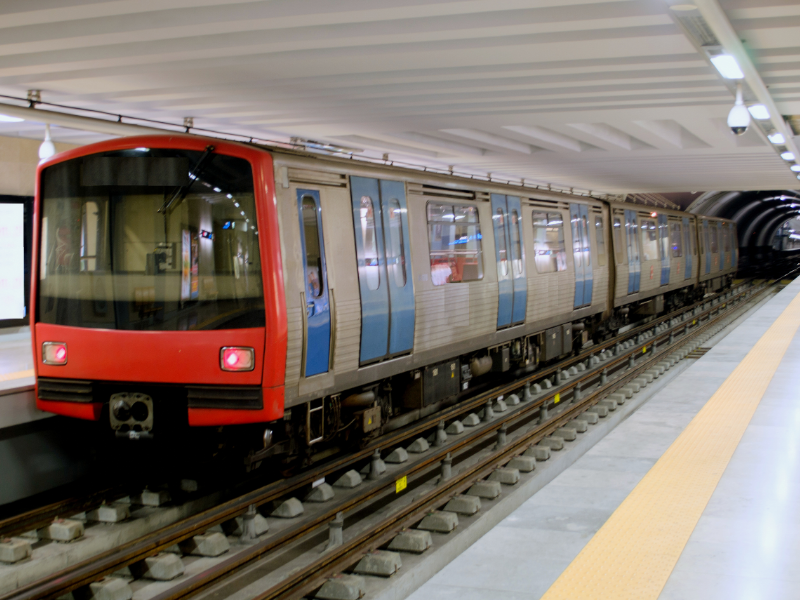
There are four major lines of the Metro which are marked in terms of color and letter.
The Red Line (Linha Vermelha) links the southeast to the northwest and serves such major stations as Alameda and Oriente. It is the best place to go when you want to visit the Oceanario and the modern architecture that overtakes the modern Lisbon. The line is used by commuters in the suburbs such as Galveias and throughout the day it is busy.
The southwest to northeast one is called the Blue Line (Linha Azul). Here is where Santa Apolonia (the central train station) is located, and it leads to the Alfama district. The locals make use of this line every day and when going to work and back in the mornings and afternoons, it literally pushes the boundaries of your comfort zones.
Green Line (Linha Verde) is possibly the most convenient to travelers. It passes through the very middle of the city, passing by the center of downtown which is Baixa-Chiado, Terreiro do Paco and finally reaching Campo Grande in the north. You will probably spend some time at this line in case you are checking the core neighborhoods of Lisbon.
The shortest follows the Yellow Line (Linha Amarela) which goes between Odivelas and Rato. It is not so much of a tourist district, rather a residential one, but the shortest way to go should one be heading towards the Marques de Pombal neighborhood or a link through to the old downtown quarters.
Cards and Tickets
The positive aspect: it is easy to purchase tickets. Ticket machines in the Metro stations have English language options. A one-way ticket is approximately EUR1.85 (prices are different, so it is better to consult in the country), but the prices also depend on the areas.
A majority of locals and intelligent visitors purchase the Viva Viagem card, which is a rechargeable plastic card that is compatible in Metro, buses and trams. You can add as many journeys
The Lisbon Metro is clean, especially in comparison with certain systems in Europe. The stations are clean and well lit and marked. The trains operate at regular intervals, which is between 5-10 minutes during the rush time and between 15-20 minutes towards the late evening. The service begins at 6.30 am and finishes at 1 am, which is a little bit more than the needs of the majority of the travelers (however, it is important to note that there is no all-night service).
Buses
The bus network in the city is the quickest mode of transport to the place that the trams do not cover.
When you leave the popular tourist strips the virtue of the buses at Lisbon becomes quite apparent. These paths travel to areas that the trams were never built to serve consider the bohemian streets of LX Factory or the perspective points found at the top of the highest places in the city.
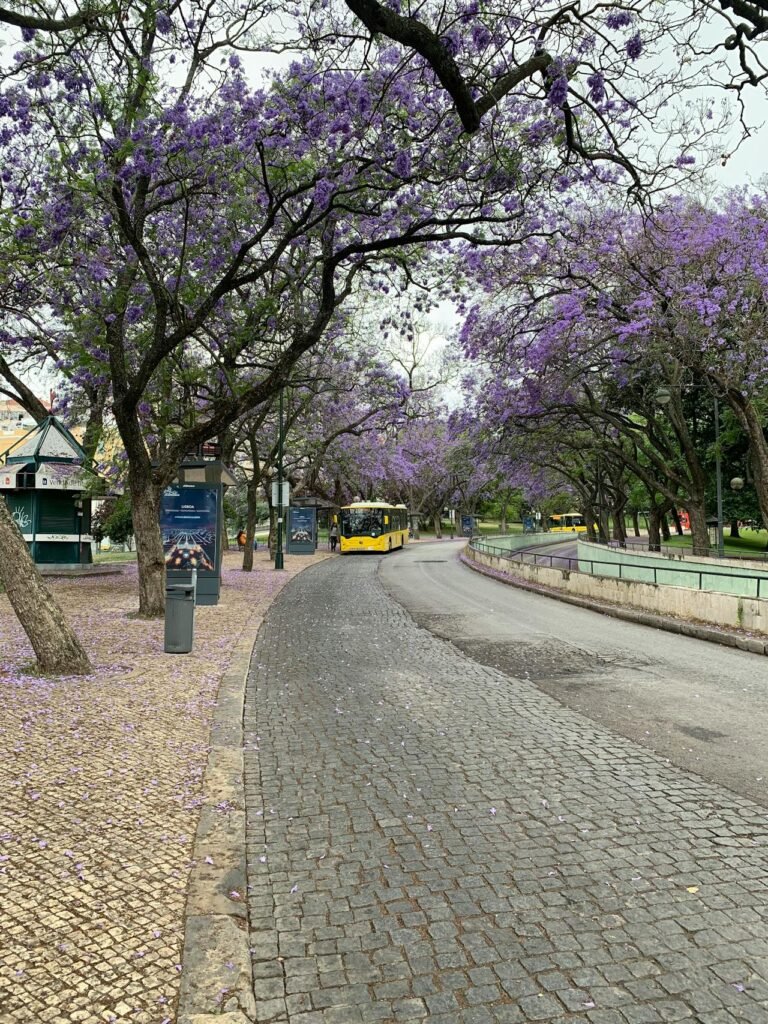
You can arrive there much quicker than Tram 15E in Bus 714 or 728 (Baixa to Belem) beating the traffic and leaving you at the Jeronimos Monastery without the overcrowded tram ride. In case you are keeping low and you would like to climb up to Castelo de Sao Jorge and avoid the steep climb, use the Bus 737 at Rossio you will be glad you did and you will be glad you did not.
Buses take the same Viva Viagem cards. No juggling individual tickets or concerns about payment systems being interfered with in between.
Funiculars and Elevadores
Elevador da Bica
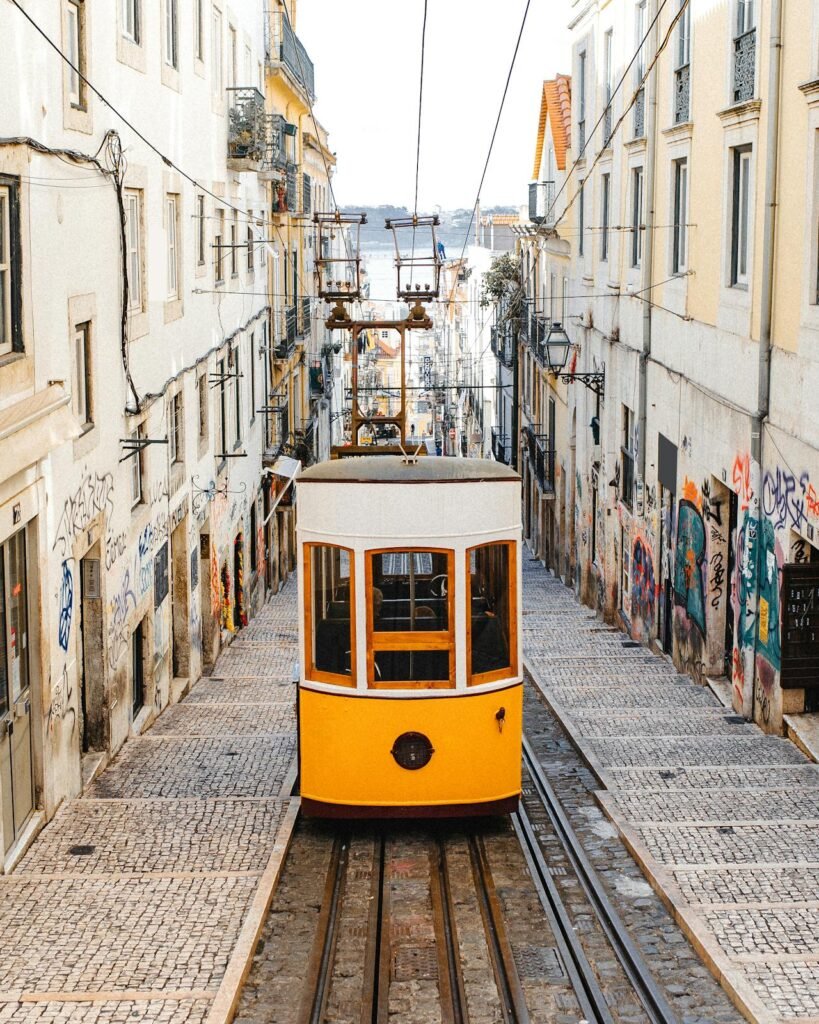
The elevador da Bica is the most personal experience of climbing the hill in Lisbon. This funicular cable car links the waterfront Cais do Sodre with ferries plying and the seafood restaurants full of tables along the quays, to the Bairro Alto above. At about 260 meters, you are brought up through the neighborhoods so differentiated that it seems they belong to separate cities.
Elevador da Gloria
It is a steeper funicular, one of the steepest in Europe, an 265 meters climb which links the lower part of Restauradores area to the Miradouro de Sao Pedro de Alcantara, one of the most rewarding vistas in Lisbon.
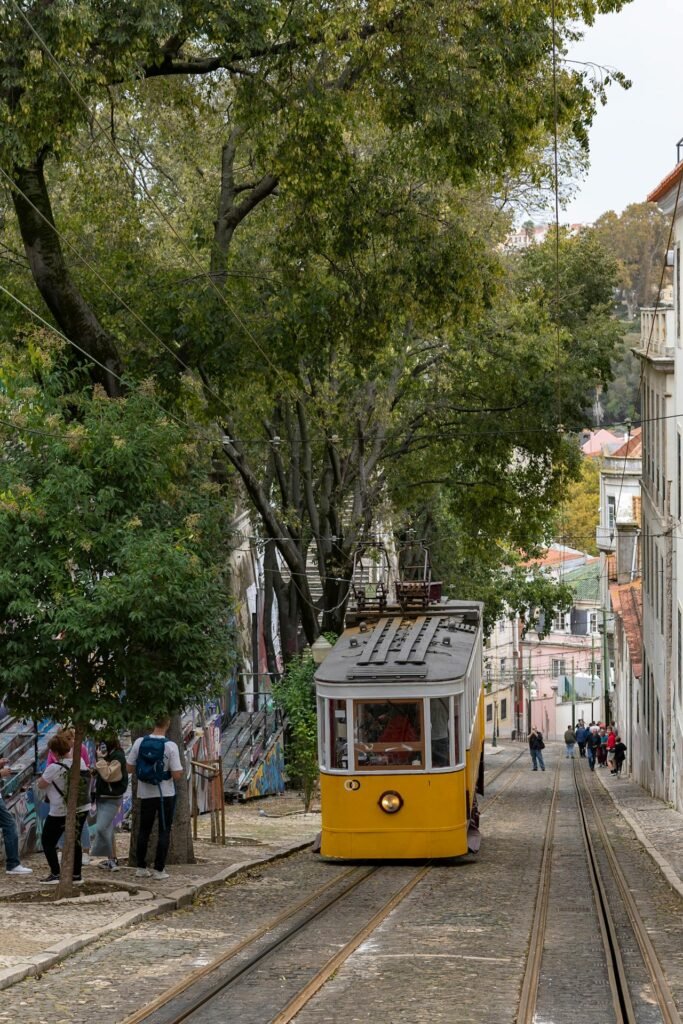
Get out on the top and then here is the whole city beneath you. The skyline is topped with castle walls, Tagus River curves along and on clear days the Cristo Rei monument can be seen rising out of the south bank.