


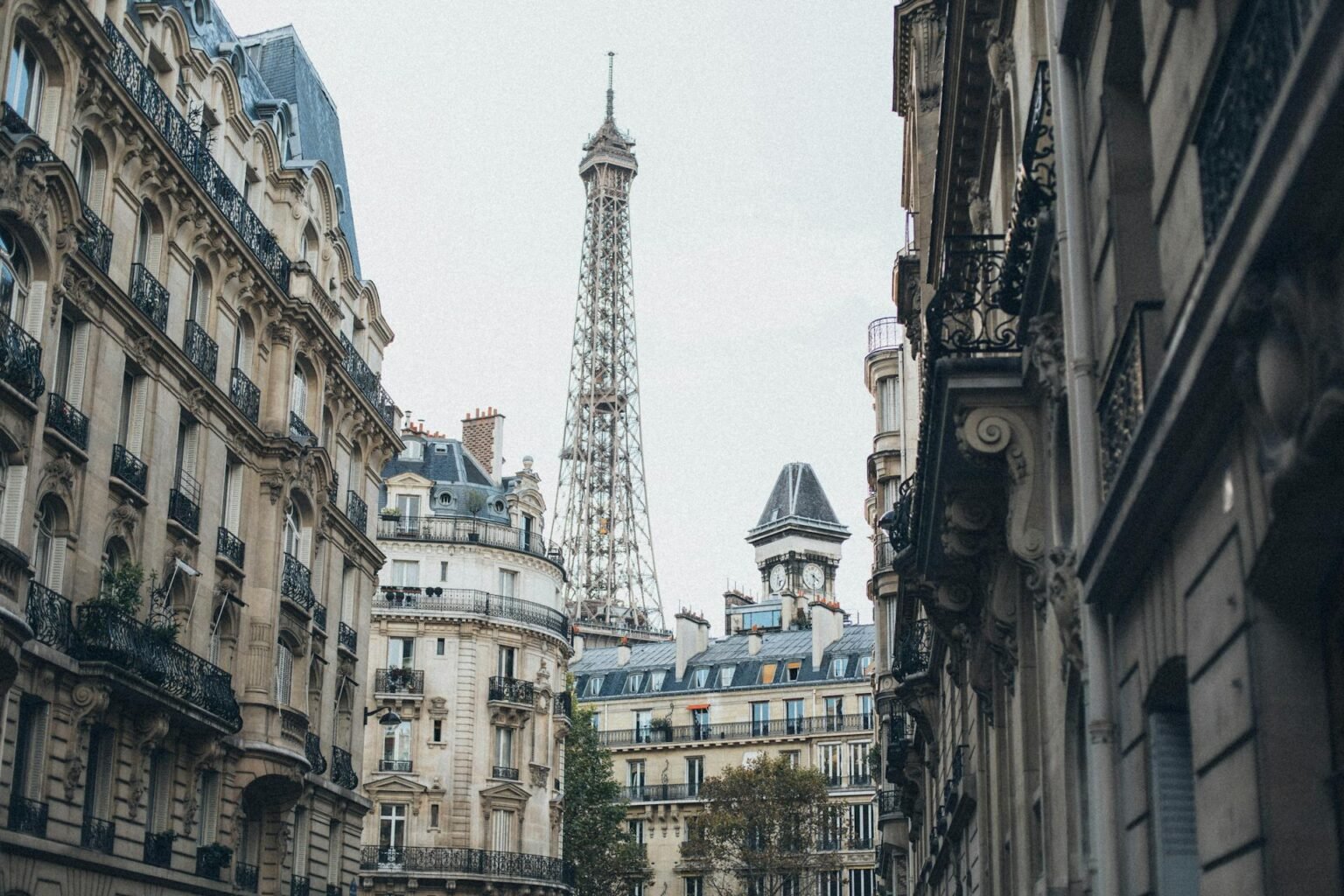
There are various means of transport in Paris. The Metro which is the system of underground railways can get you across whole arrondissements within minutes. The bus service has the over-ground options. The RER links the extremes to the middle, which is ideal in airport runs and day trips.
Metro
The metro of Paris is your savior. The Metro with 16 lines traversing the city and more than 300 stations serves almost every quarter of the city worth visiting, including the glittering Eiffel tower, the bohemian Montmartre streets all before the service closes down around 12:40 AM (reopening at 5:30 AM).
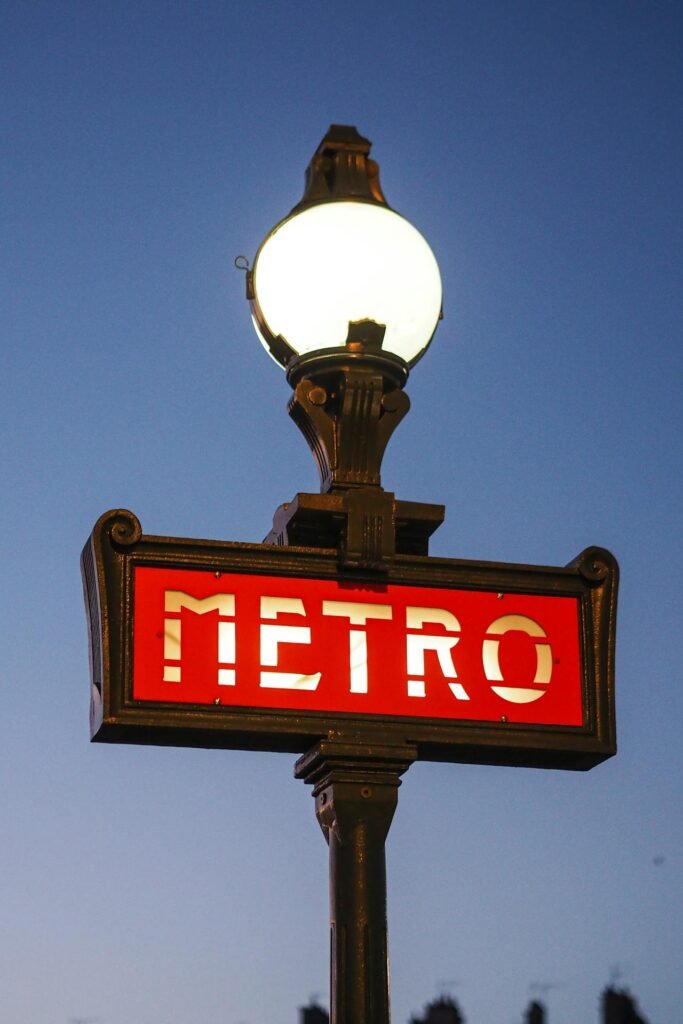
The Metro can take you to all the sites you wish to visit. You can be under the Eiffel tower in mid-morning, view the glass pyramid in the Louvre at lunch, be at the Gothic architecture of Notre-Dame in the afternoon, and be in the artistic heights of Montmartre as the sun goes down. No time wastage on searching parking.
Mobilis Day Pass: Take it that will cover Zones 1 and 2. This will include endless daytime rides.
Bus
See the city above ground. Perfect for first-timers. O, cease to remember the metro tunnels which are claustrophobic. You will imbibe the feel of Paris and its rhythm and this can not be provided by underground transit. It is not as fast as metro but more scenic. Yes, buses are slower in getting to their destinations. That’s the point.
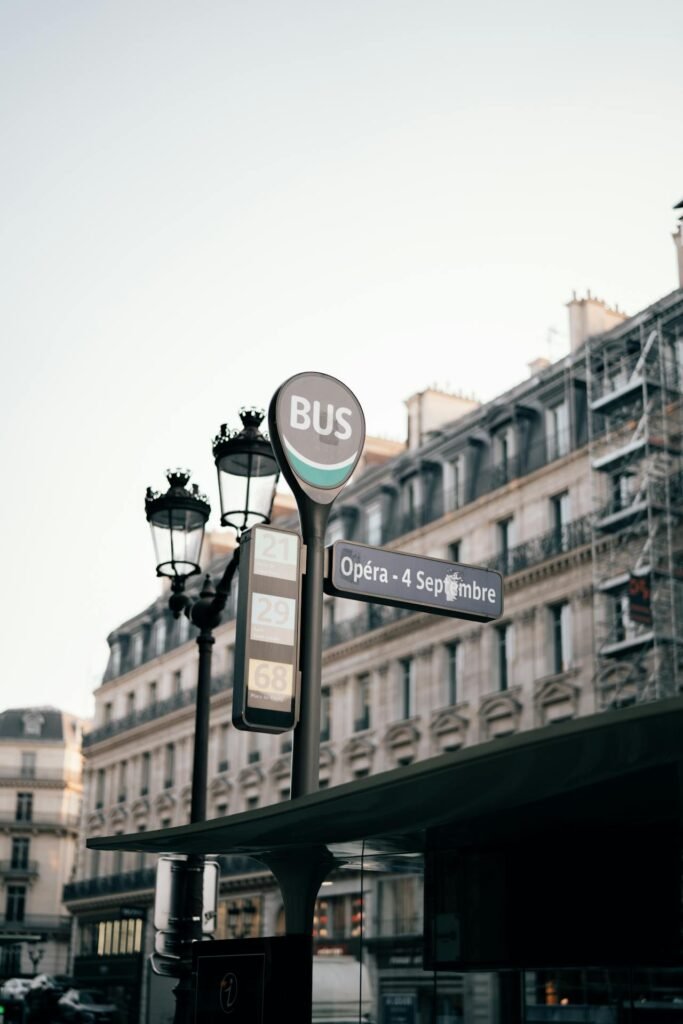
Most Useful Bus Lines
Bus 72: Eiffel tower through to Louvre. This is the showstopper. Board bordering Palais Royal, and view the Seine running by your side islands, bridges, barges, and some of the most typical monuments of Paris. It is the path that people recommend their friends to go along.
Bus 68: Montparnasse-Louvre-Pigalle-Opera. It is a kind of crash course of Parisian geography and history. One bus, multiple Paris.
Bus 42: Gare Saint-Lazare-Champs-Elysees-Eiffel Tower. When you must see the largest tourist attractions in the most efficient way possible without losing the view, this path links three landmarks that can never be ignored. It is too busy, at busiest times, but then there is the view of the Champs-Elysees, and then it is worthwhile at least when the afternoon sun turns golden.
Tips for First-Timers
Over-the-counter validate same tickets on metro. Your ten tickets carnet (a common purchase in any of the metro stations) is applicable in buses. Board at the front, put in your ticket in the yellow validation machine and hear the typical ka-chunk sound and you are ready to go. A single ticket has one trip, but does not have transfers within the metro system.
Check live schedules on the RATP. Get it before you get there.
Tram
The nine lines cross over in the outer areas of Paris forming a perfect network to the metro and RER, which is easily incorporated into the system. In addition to the convenience, trams are not like metro trains. You pass through the city, and as you do so you see residential streets.

Neighborhoods & Destinations
Marche aux Puces de Saint-Ouen (T1): This is a large flea market where the people of Paris find such treasures as Hermes scarfs worn out, art deco mirrors, old jazz records. The sellers are yelling in such fast-paced French, accordion music resonates in the small passages, and the air is filled with the smell of old books, refined wood, and freshly baked croissants at the adjacent stalls. Go early on Saturday or Sunday morning in order to beat the crowds.
Porte de Versailles (T3a/T3b): This is the entrance to the working-class neighborhoods beyond the fairgrounds, which are of the real character. Wander Rue de Versailles with its antique boutiques and little galleries, or simply sit in a cafe terrace and see the tram passing by after every few minutes. A reminder that you are living on the periphery of the city.
Cite Universitaire (T3a): Green oasis in disguise. This foreign campus is like a village in the city, and there are art deco structures, silent gardens, and real intellectual ambiance.
La Villette (T3b): This used to be an industrial butchering house, and is currently being turned into a cultural hub, complete with museums, concert halls, and a 55-hectare park.
Villejuif Louis Aragon (T7): The south gate. This is a neighbourhood that is a detachment of central Paris. There are boutiques and markets along the streets, and local restaurants provide the food that is made to serve people that live here.
Practical Information
Buy the ticket using machines in tram stations or purchasing the ticket using metro ticket windows. One ticket is applicable on trams, metros and bus. The Navigo Easy can be loaded and used on the system in general, or get day passes and transit-hop the day.
Trams are directly interrelated with metro lines and RER stations at the points of transfer that are outlined on the maps. The RATP application or the universal website of Paris has the current position of trams and arrival times in real time.
RER Trains
Paris loosens its knots in the Regional Express Network RER. These trains will take you to palaces, airports, and the big suburbs. The RER has five lines (A through E) that cut across the Ile-de-France area.
It links the center of Paris to its outskirts, both international airports (Charles de Gaulle and Orly) and some of the most magical places: the glamorous Palace of Versailles, the fantasy rides of Disneyland Paris, and the Musee d’Orsay.
The Lines
RER Line A goes through Nation to Marne-la-Vallee, which is your entrance to Disneyland Paris and Chateau de Fontainebleau. Helping to placate theme parks or Renaissance chateaux, this line is a must. The trip lasts about 45 minutes out of Paris itself.
RER Line B is the airport line. It stops at Gare du Nord, straight to Charles de Gaulle Airport, and also it is your ticket to the catacombs through the Denfert-rochereau station. On first arrival to Paris, and when you need to spend as much time as possible in daylight hours, this line will get you at the landing ground to the central city of Paris in approximately 30 minutes.
The most handy arguably is the RER Line C that is of use to one day explorers. It runs between Musee d Orsay and Versailles, and that is, you can visit the works of the impressionist masters in the morning, and the palace of Sun King in the afternoon. You will also pass by the Eiffel tower (very close to Bir-Hakeim station) and will have the opportunity to walk through Chateau de Malmaison which was once the home of Marie-Joseph Chenier. This line alone unveils some of the most popular places in Paris.
RER D and E lines are mostly used in serving the suburbs and local transport. Although they are not as necessary when it comes to one-day tourists who might be interested in popular sites, they may also come in handy to visit less popular neighborhoods or when creating a personal itinerary.
Ticket Zones and Pricing
Zone 1-2 tickets include short inner-city services such as ride Musee d Orsay-Eiffel tower or jumping between the neighborhoods of the central Paris. These rides take not more than 10 minutes and are ideal in jumping around as you do your walking tours.
Zone 4-5 tickets are needed to make the Airport and Versailles trips. These are more time consuming trips and they increase your itinerary by 30-45 minutes. The Versailles round-trip trip may consume 2-3 hours of time which involve traveling, queueing up, and a hasty walk around the palace. In case you have airport transfers in your itinerary, you will be better set aside about an hour of your day to transportation alone. Zone 4-5 tickets are higher than fares in the inner cities, and therefore you should take this into consideration in your one-day budget.
Walking
Paris is a city that you can feel when walking in it and not merely see. And the best bit is this; the most recognized sights in Paris are 20-30 minutes walking distance apart.
Suggested Walking Routes
- Morning tour: Louvre- Tuileries -Place de la Concorde- Eiffel Tower
- Evening tour: Notre-Dame -Ile Saint-Louis- Latin Quarter