


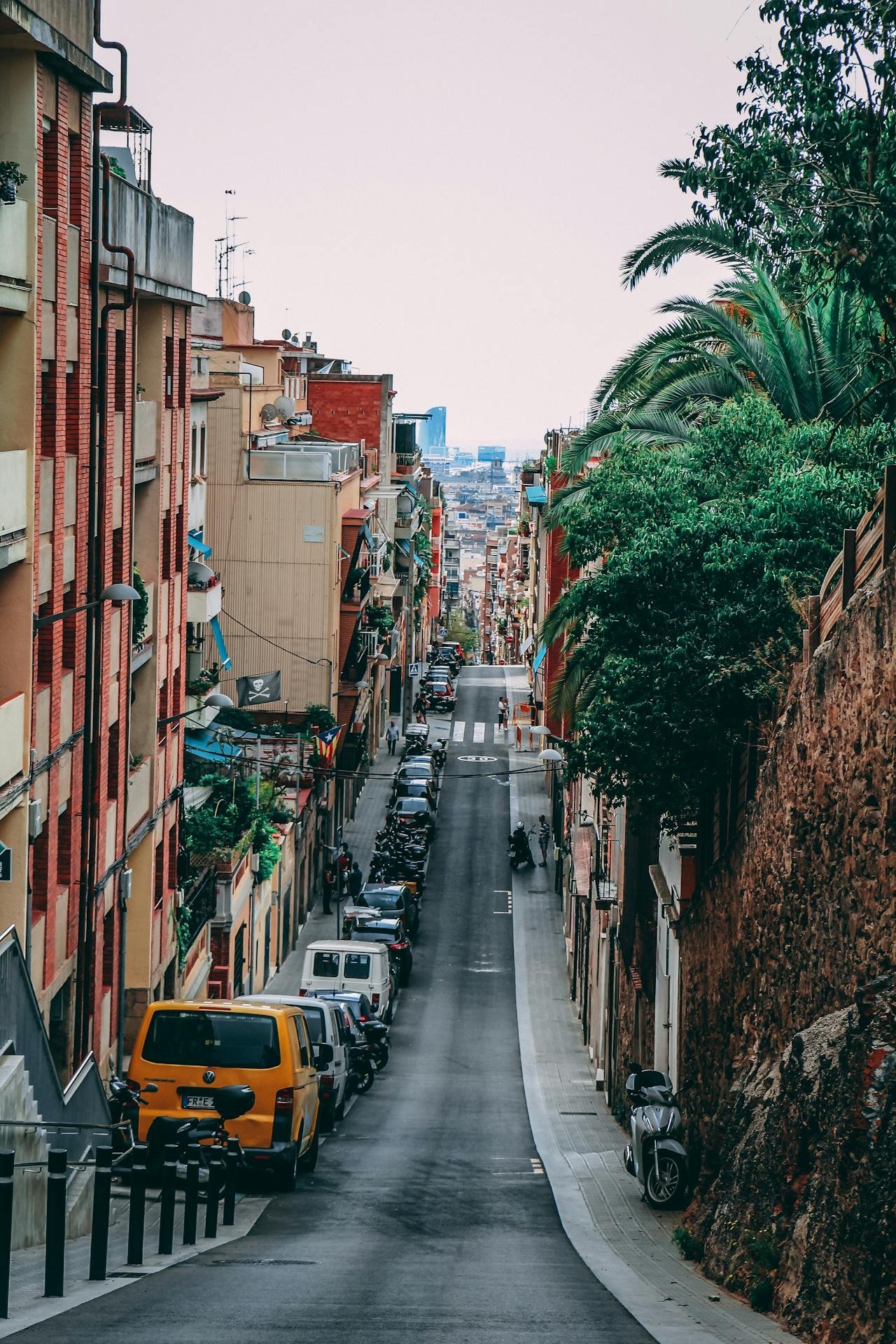
A single day in Barcelona may not be that long. However, having the correct path, it is possible to pass by centuries of art, savor Catalan cuisine, and enjoy a sunset in the sea.
This stage-by-stage travel schedule is to ensure you spend as long as possible.
Ready? Let’s begin.
Breakfast (08:00-09:00)
- Pa amb tomaquet: the bread with tomato tradition was born a long time ago among the workers in Catalonia who used to apply fresh tomato and olive oil over pa de pages (country bread) as a midday meal. You will find it everywhere.
- The pastry, ensaimada which is a pastry in the shape of a spiral and dusted with powdered sugar.
- Cafe con leche: the drink that can cement it is the milk coffee.
The vast majority of major attractions are opened at about 9 AM. None of the museums in the Gothic Quarter seems to open their doors before nine, as does Sagrada Familia, and Park Guell.
Sagrada Familia (09:00-10:30)
The skyline of Barcelona is somehow awkwardly unfinished. It is the love letter that Antoni Gaudi is writing to his city and it is 140 years long.
At the time of the start of the construction in 1882 Sagrada Familia was conceived as a rather traditional Neo-Gothic church. However, after Antoni Gaudi assumed the project in 1883, he had no conventions to follow. The final years of his life he spent practically all his life in the basilica. Gaudi was inspired by the form of the shells that are spiral in nature, the honeycomb effects and the extensions of logic of the trees in translating the organic mathematics into stone and glass.
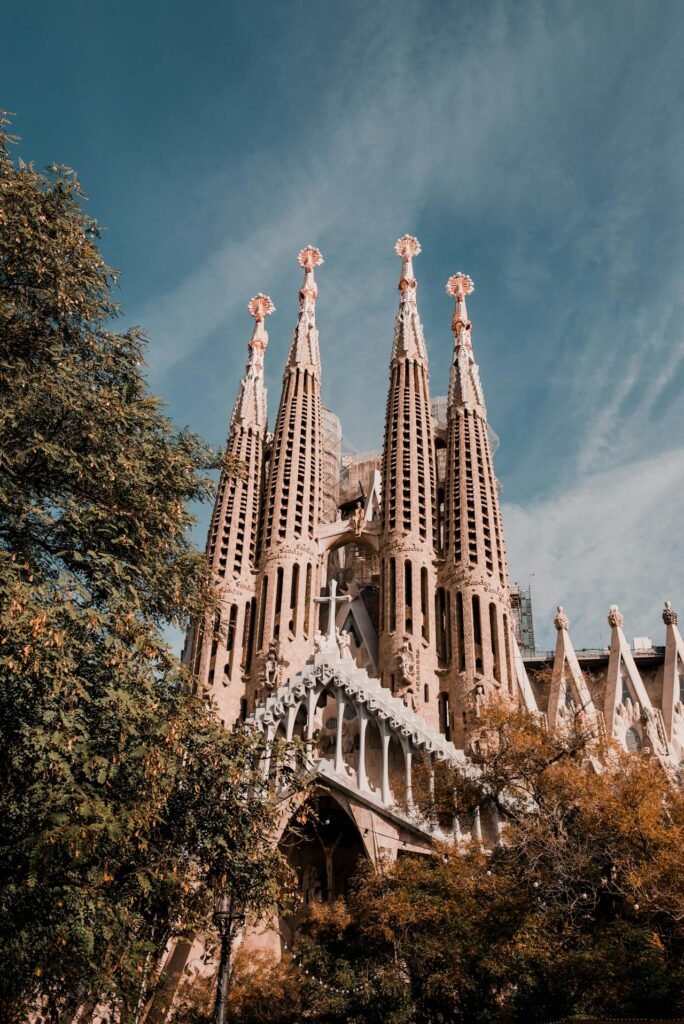
Construction is still going on. It is going to be completed until as 2034.
First to be seen is the Nativity Facade. The older part, which was finished during the lifetime of Gaudi, depicted the scenes of the birth of Christ with almost disorganized details.
The interior is adapted to a grove of columns, which spread off in a tree-like manner towards the vaulted roof. The light of nature passes through stained glass, and varies in its movements over the stone. The Sagrada Familia is organic as opposed to the heavy and imposing look of traditional cathedrals.
Metro: the L2/ L5 to the station of Sagrada Familia. It is right out of the majority of central spots and deposits you of the entrance in 2 minutes.
How to Get From Sagrada Família to Park Güell
V19 (Provença–Lepant → Ramiro de Maeztu–C N Catalunya)
L5 (Sagrada Família → Diagonal) → L3 (Diagonal → Lesseps)
Park Güell (11:00-12:30)
Laid down the hillside of the Gracia area, this masterpiece, a UNESCO heritage site. Here Antoni Gaudi made something here.
Once you get inside, go towards the main terrace. Here the magic is made to focus. The serrated serpentine benches, created by collaborator of Gaudi, Josep Jujol with the back guilded with the design of intricate tiles in the art of trencadis (this is the Catalan word, which translates to broken mosaic tiles).
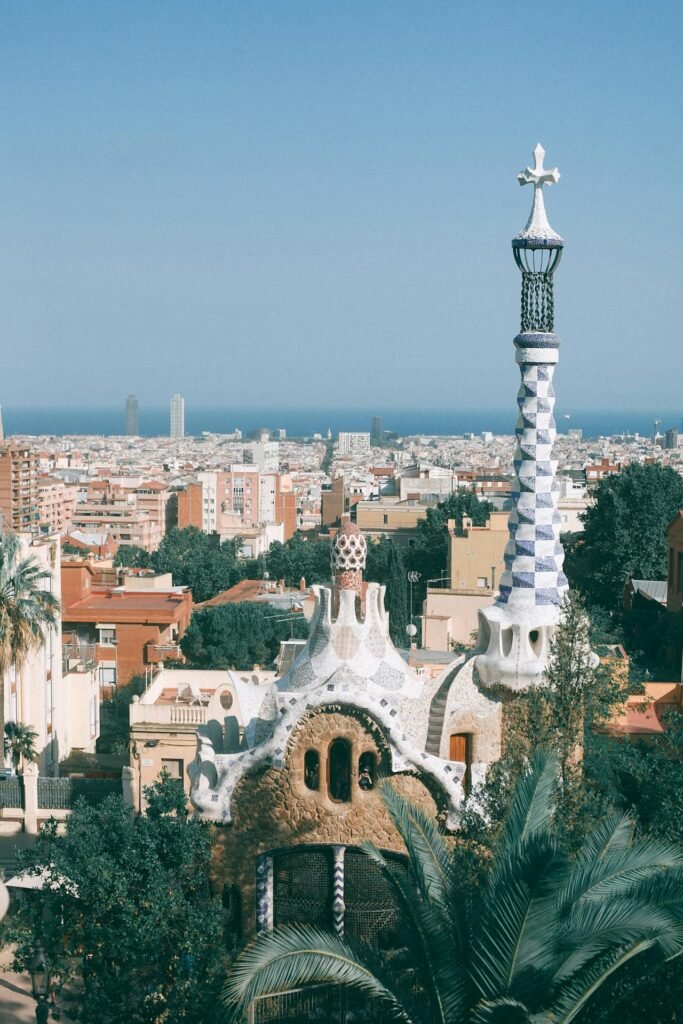
Then there’s the lizard. The unrealistic multi-colored salamander at the entrance (lower) has been iconic.
The point of view is the discovery beyond the popular destinations. On sunny days, it is possible to see in the distance the spires of Sagrada Familia, see the Mediterranean shimmering beyond the urban environment, and observe how Gaudi has managed to tie up the ends of the city together just by sheer imagination.
1.5 hours is achievable in the case of slow and deliberate movement. The initial hour was on the main terrace and the areas and spent the remaining time to visit the less frequented places and find vantage points where photos could be taken.
How to Get From Park Güell to Gracia Neighborhood
24 (Carretera del Carmel – Parc Güell → Gal·la Placídia) for Plaça de Sol
24 (Carretera del Carmel – Parc Güell → Trav. de Dalt – Verdi) for Placa de la Virreina
Lunch at Gracia Neighborhood (12:30-14:00)
You can begin your tour at one of the most atmospheric squares in Gracia, that is Plaça del Sol or Plaça de la Virreina. They are inhabited plazas. These squares are surrounded by cafes which have been run by families over the years.
Stroll along narrow streets that are used by pedestrians such as Carrer de Verdi or Carrer de l’Virreina. Visit small shops with old clothing, independent bookstores or handicraft stores operated by designers whose names will never appear on Instagram.
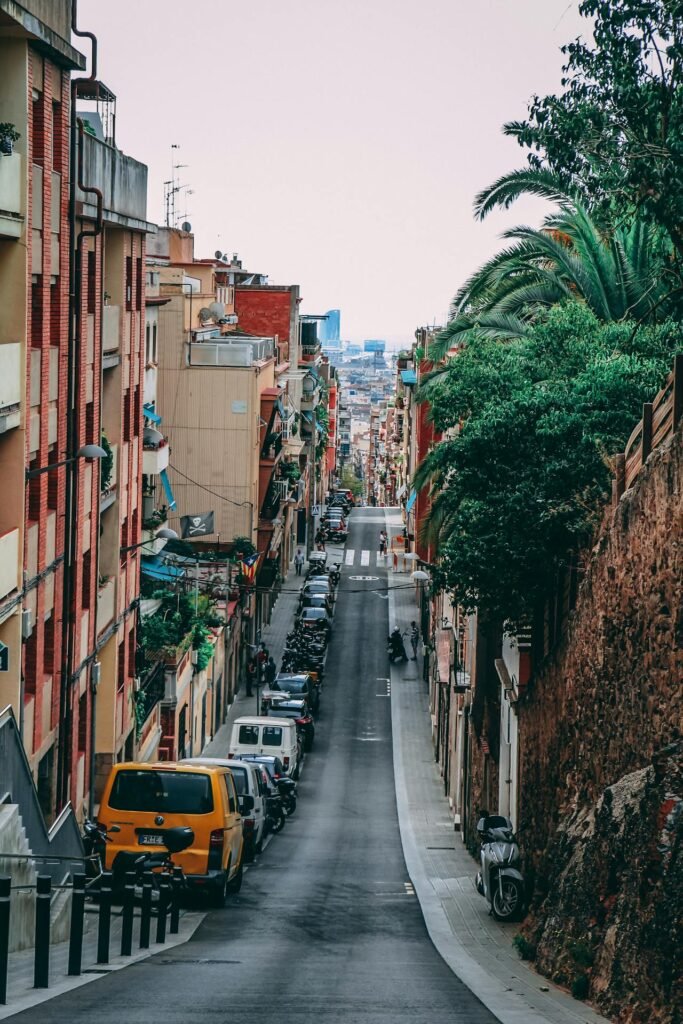
You will see old vinyl records, ceramics that were hand painted, jewelry made by the locals and those types of carefully selected products that make you feel like you have accidentally entered into the personal collection of someone.
Walk Down Passeig de Gracia (14:00-16:00)
Art Nouveau Boulevard
By creating this large avenue in 1827, city planners envisioned it as an escapade of the affluent merchants of Barcelona as a tree-lined walk that leads to the North towards the village of Gracia. However, it did not happen until the Passeig de Gracia became something unusual, with the explosion of the Catalan Modernisme movement of the 1890s. Antoni Gaudi, Lluis Domenech i Montaner, and Josep Puig i Cadafalch were among the architects who were competing to create the most daring buildings.
Sights Along the Way
Casa Batllo
Gaudi did this renovation in 1906 on behalf of a textile industrialist Josep Batllo. The facade glitters with iridescent ceramic tiles in blue, green and turquoise; which alternate form depending on the state of the light during the day.
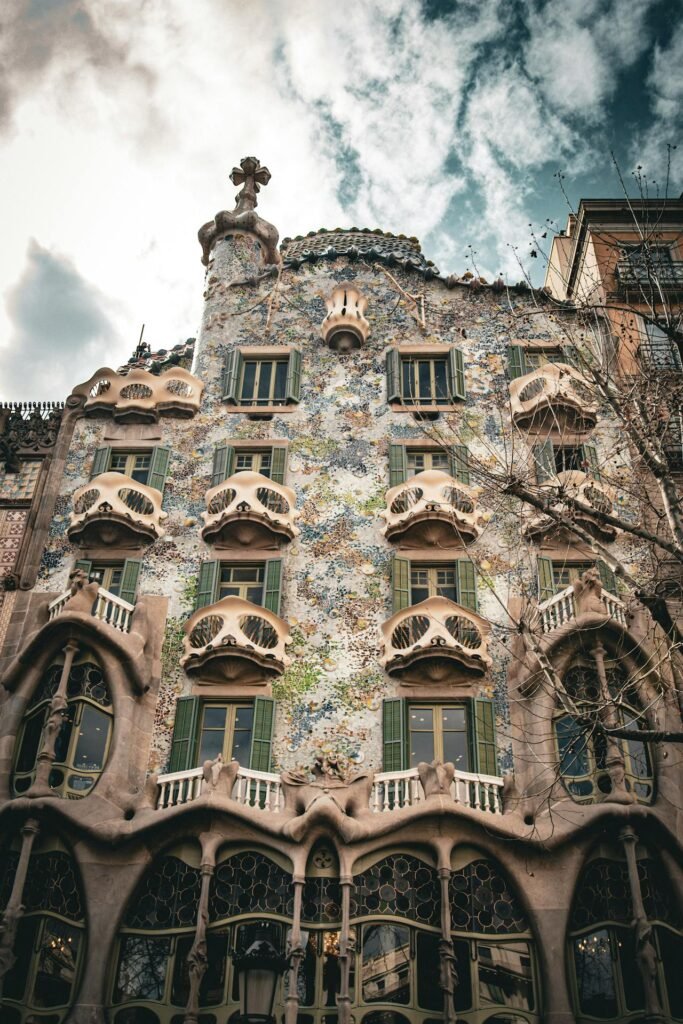
The rooftop will provide you with an overview of Passeig de Gracia and the Sagrada Familia, which is located in the distance.
La Pedrera (Casa Mila)
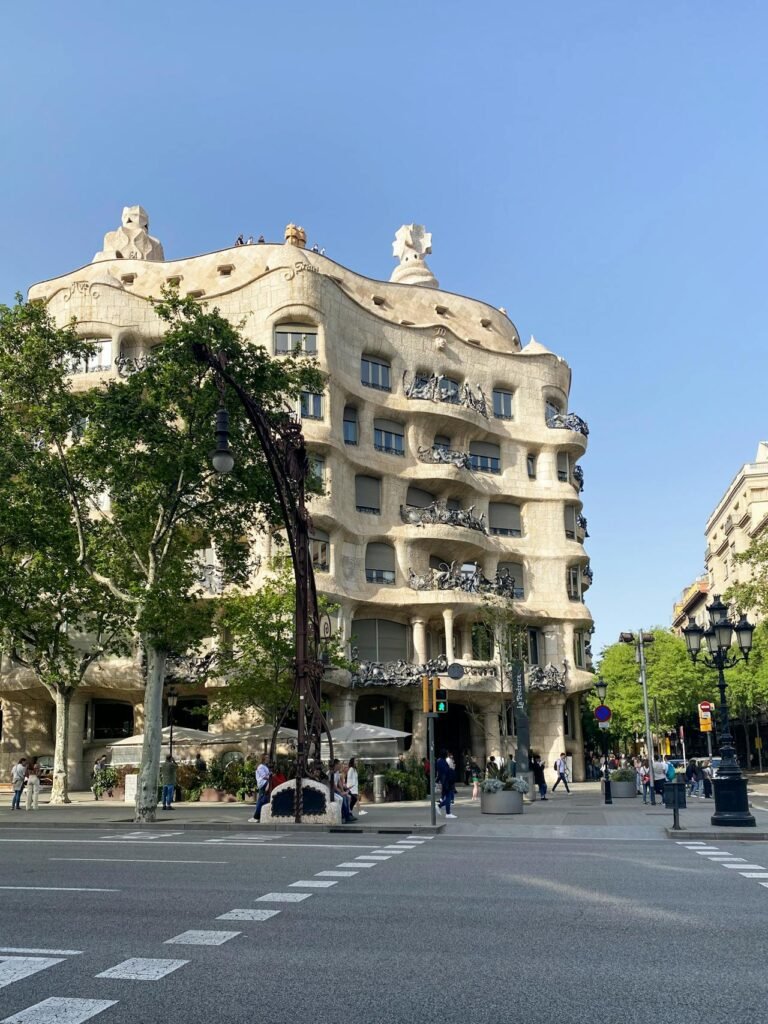
La Pedrera, the last residential building of Gaudi, is only 150 meters north of it and the architect himself only showed his interest in the Sagrada Familia thereafter. Constructed 1906 to 1912, this enormous building is resembling a quarry stone (this is why it is called the Stone-“La Pedrera” in Catalan). The facades of the building are rippling stone surfaces that do not have a straight line.
Gothic Quarter (16:00-18:00)
Barcelona Cathedral

The Barcelona Cathedral (Catedral de la Santa Creu i Santa Eulalia) is the religious foundation of the Gothic Quarter and you must start there first. It was started in 1298 and was almost 600 years. The exterior is a work of art in Catalan Gothic style: tall columns, complicated rose windows before it.
The Squares
Even a stroll past the cathedral lets you get a glimpse of Plaça del Rei and suddenly, in front of you which is enclosed by Gothic buildings that are literally falling inwards. Since time immemorial, this square has hosted royal pronouncements, large crowds and silent contemplation. Historical feel in this place is nearly physical, structures of the 12 th and 13 th century are literally encircling you.
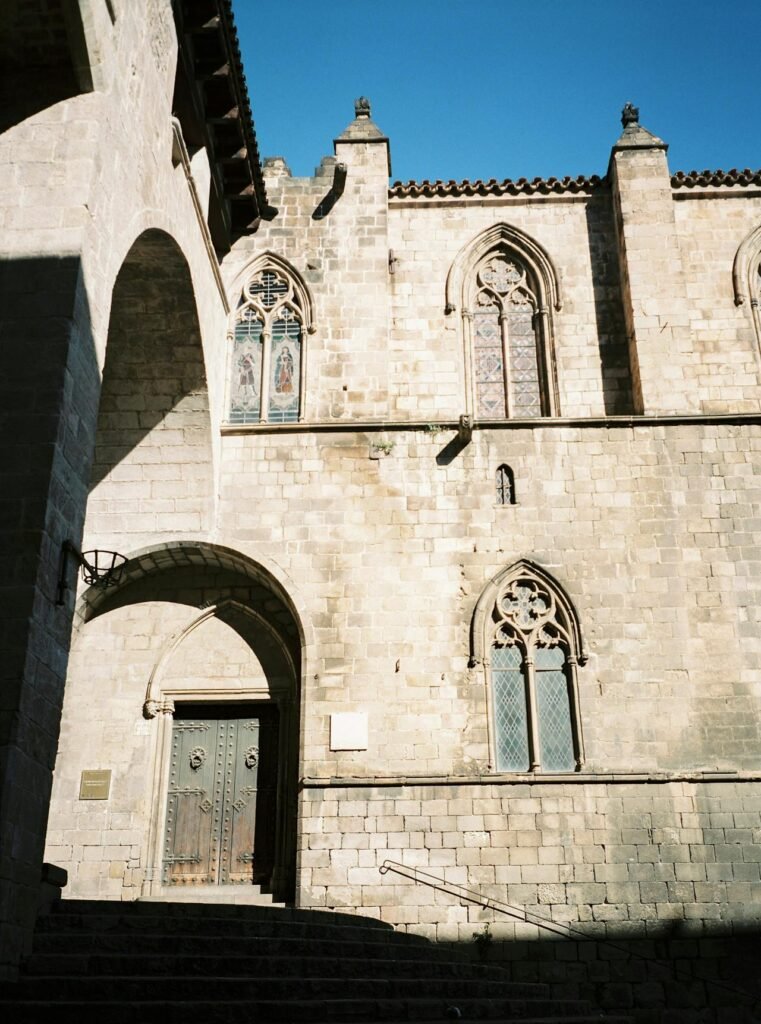
The city has two of the most significant governmental buildings that are opposite each other in Plaça Sant Jaume: the Generalitat de Catalunya and the City Hall (Ajuntament de Barcelona). The square as such is frequently made dynamic with street artists, locals passing across it on their way to wherever and tourists stopping to enjoy the scene.
The Roman Walls and The Alleys
You will find the portions of the old Roman walls preserved after nearly 2000 years. They are built into the walls of medieval buildings, where they sometimes are used as real walls. These are touchable walls erected to protect a Roman settlement known as Barcino.
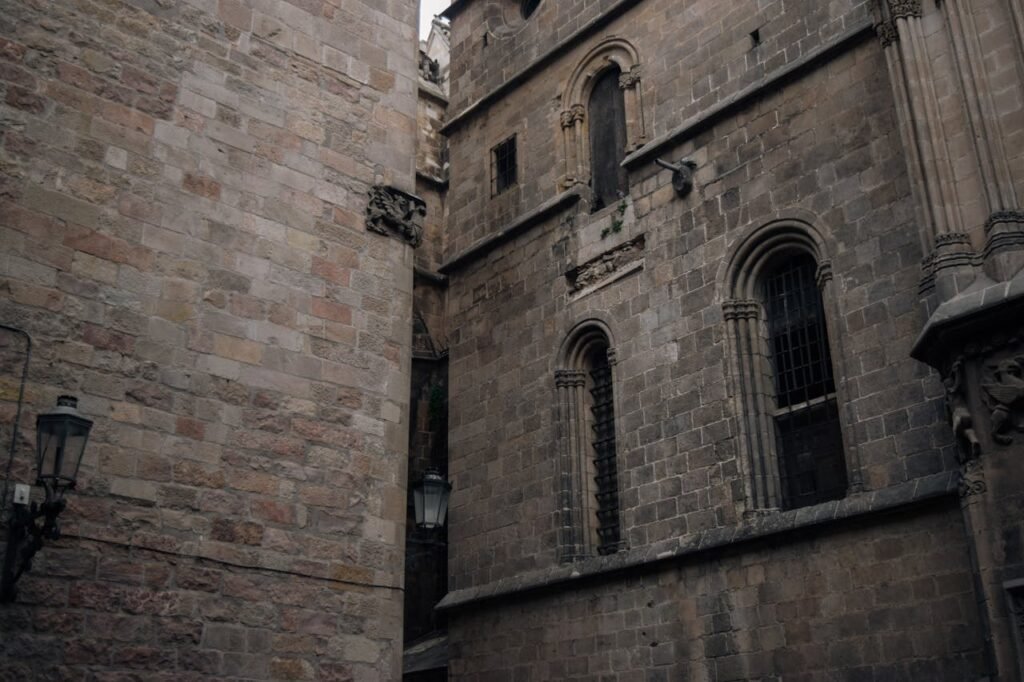
Museu d’Història de Barcelona
To further explore the strata of the city, you can visit Museu d’Historia de Barcelona, which is situated a short walk off Placa del Rei, making the optional visit. It is starting in medieval rooms, and then and here is the outstanding part. You then go down to the real ruins of the Romans under the streets of the city. You are literally strolling over the preserved remains of Roman Barcelona: streets upon which merchants were walking, foundations of houses and temples, mosaics, which do not lose their color in 1,900 years.
Sunset Walk in Barceloneta Beach (18:00-20:00)
Begin at the entrance of the Passeig Maritim the long avenue, which runs along the waterfront at Barcelona. It is easy to get here Line 4 to the station of Barceloneta. You will be trading the city air in a few minutes with seawater. The beach is a public and open one.