


The city does not boast about its food as some European cities do, this is one of the things that make the city interesting. Amsterdam has created a culinary identity so very traditional and yet so very surprising to its international neighbors, yet without much fanfare, between the brown cafes that make bitterballen and the herring carts that have been in the same spot all through the years.
The difficulty with one day only is that you cannot take everything and you are not supposed to. The only thing you can do is to walk the city in a purposeful way, to work your eating schedule around the beats of the local life.
Breakfast
Dutch pancakes are thick. The ingredients of the batter are plain flour, eggs, milk. Their manner of serving is however the true Dutch way. Sweet versions include stroop (dark sticky syrup consisting of beet sugar), powdered sugar or fresh fruit. Savoury ones could contain some bacon baked directly into the batter, or cheese, or apples and cinnamon. You take them with a fork and a knife, and one most of you can eat till lunch.
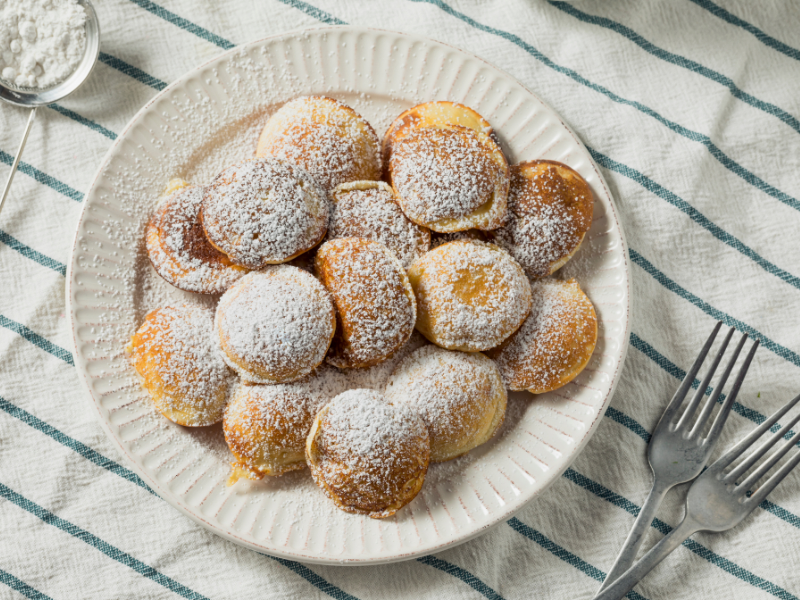
Poffertjes are small, puffy, cooked in a special cast-iron pan in shallow circular dimples. The batter contains yeast and buckwheat flour, providing them with a minor tang and the spongy texture. They come in a heap smothered in powdered sugar and topped off with a slab of butter that is so thick that it melts down in the crannies. You take them afterwards with a small wooden fork and eat them one at a time, whilst they are hot. They are sold by street vendors all the year round in the market, and are particularly favored in winter when everything hot and sweet seems required by the cold.
Midmorning
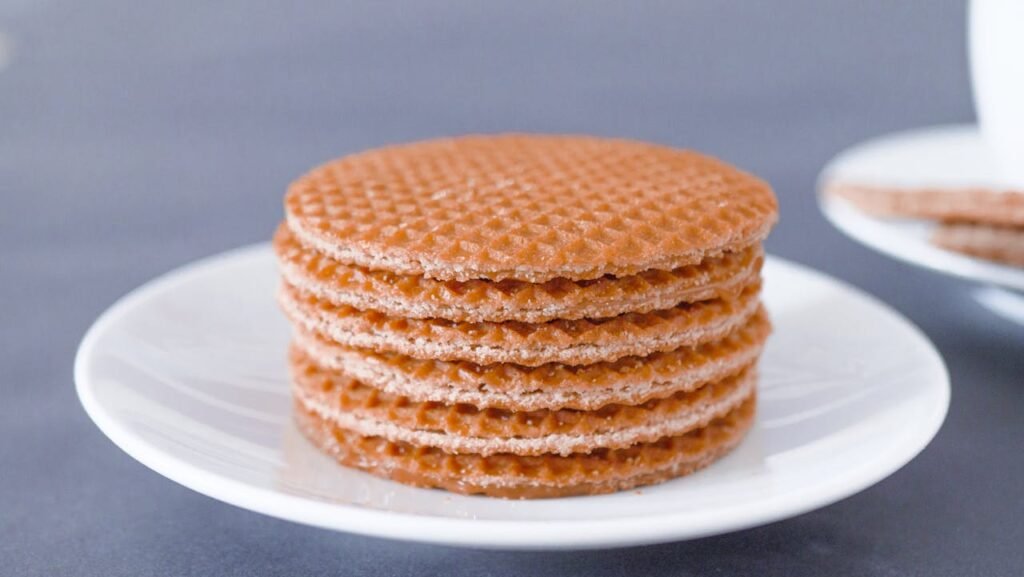
Stroopwafels, which are packaged in a supermarket, are all well and well, but when you are served with a fresh stroopwafel which is pressed at a market stall, it is a completely different experience. They are made to order by the vendor, two thin waffles smashed in a hot iron, and cut in half when hot and topped with a coat of stroop, a sticky, caramel-coloured syrup of beet sugar, butter and cinnamon. With the fresh one the waffle is crispy on the sides but soft when you take a bite and the stuff inside is molten, almost sticky.
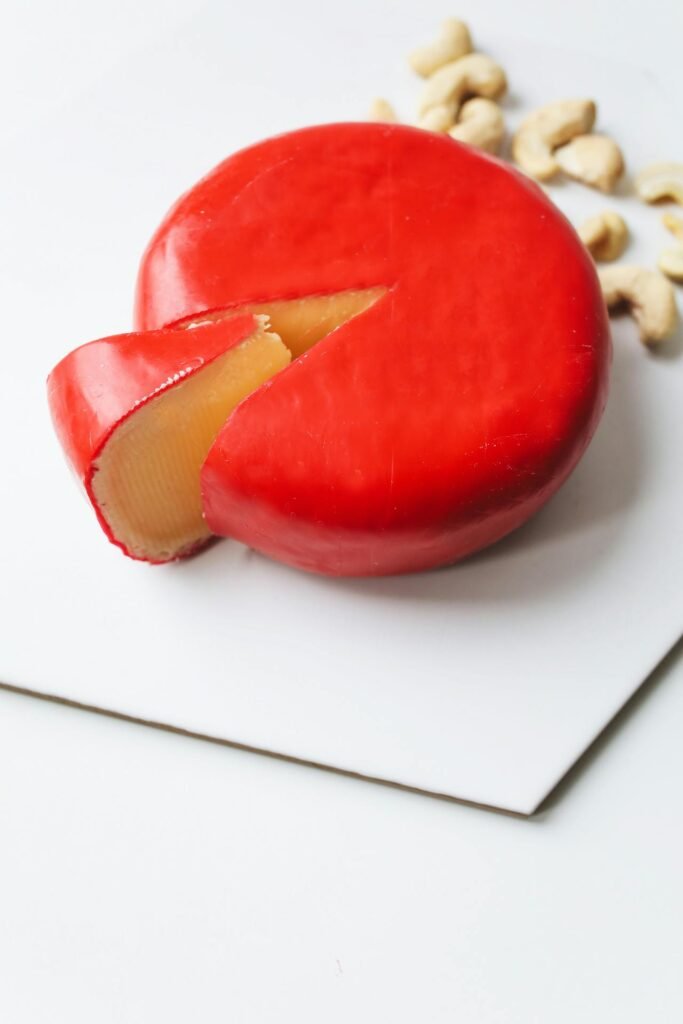
The Dutch take cheese business seriously, however, they do not make a fuss about it. Netherlands is a major exporter of cheese in the world and what the majority of the world refers to as Gouda is just the tip of the iceberg. The young Gouda is mild and creamy and a little sweet. Older Gouda forms crystals of hard knots of compressed flavor and more in-depth and caramel-like richness.
Edam is less soft, it is only a little nutty, and the traditional round-sellings are covered with red wax. Old Amsterdam, is a brand, yet a style; rough, hard, extremely savory. Next are the flavoured ones cheese with cumin, cheese with herbs, cheese with mustard seeds.
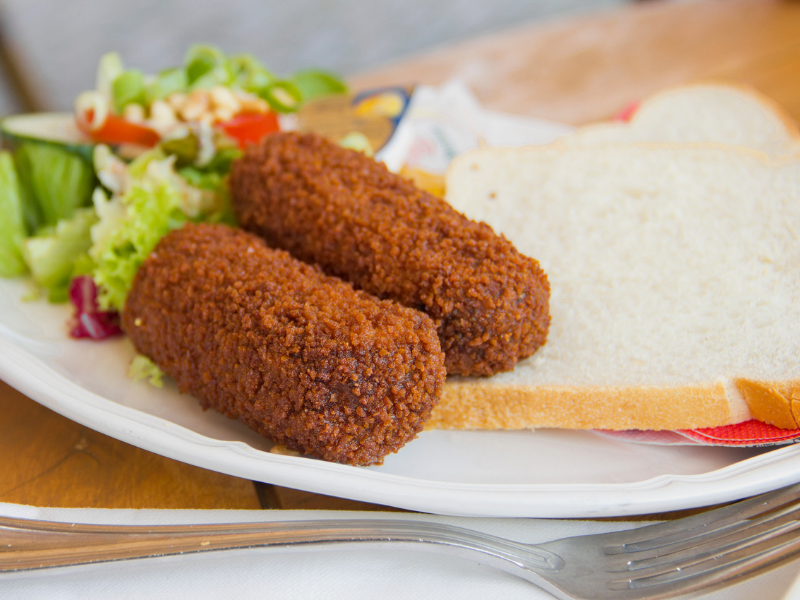
Special place in Dutch food culture is taken by kroketten and bitterballen. They are bar snacks, street food, cures to hangover, and comfort food wrapped into one. They both begin alike: with a bulky ragout of beef or veal (and in some cases mushroom or shrimp), held together with roux, cooled, and moulded, and then breaded and deep-frying to the point where the outer surface cracks, and the interior turns molten. A kroket is sausage-shaped of approximately the thickness of a sausage, which is commonly consumed upon soft white buns with mustard as broodje kroket.
Bitterballen are bite-sized balls, which are served in a dozen, with mustard to dip.
Lunch
The Dutch Classical Lunch
The broodje kroket is the culture of Amsterdam lunch in its pure form. Stuff that deep-fried kroket the one with the molten beef ragout filling into a soft white bread roll, and typically with a strip of mustard. That’s it.
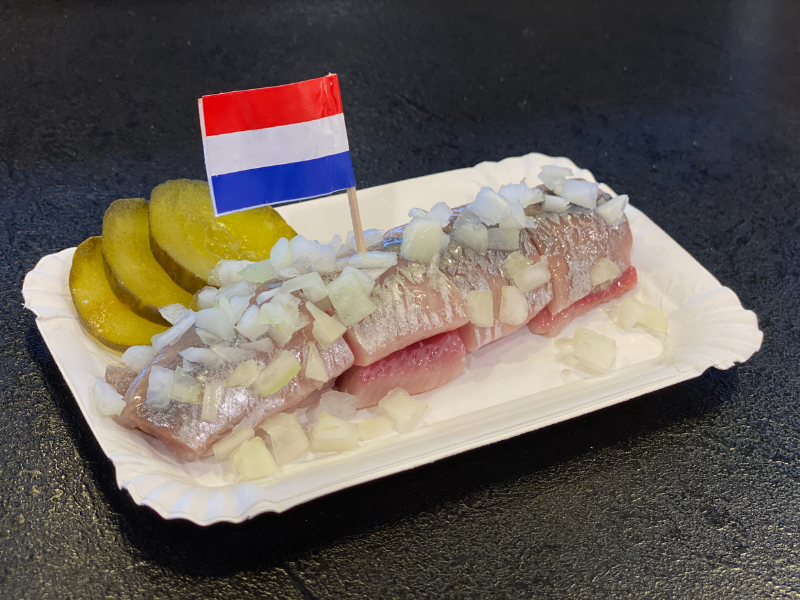
Herring is where the Dutch food culture either fits or it does not. Raw herring, filleted, with chopped raw onions and pickles (of cornichons or pickled cucumber) to eat by holding fish by end and lowering it in your mouth in bites. The herring is also not really raw. Marinated in a salt solution which gives the flesh a firmness and taste. Still it is soft, oily, all fishy in an ocean-forward manner. The cut onions make a hole in the richness, the pickles give acidity and crunch.
Patat Dutch fries are fatter than shoestring fries, skinnier than steak fries, fried twice to achieve the greatest possible crispness in the outside and fluff in the inside. The topping that is defaulted is mayonnaise, although not the sweet American variety. Dutch mayo is more full bodied, eggy and there is a bit of tang that adds to the potatoes and does not suffocated them.
Seafood Simplicity
Kibbeling is made by chopping down pieces of white fish, normally cod or pollock battering them up, frying till golden and crispy and dipping them in a hot garlic sauce. The fish remains flaky and tender on the inside with the batter giving it enough crunch and salt. It is sold in sea food booths, usually by the same people who sell herring and it has been a Dutch staple since fishermen began battering and frying their fish as a preservation and selling method.
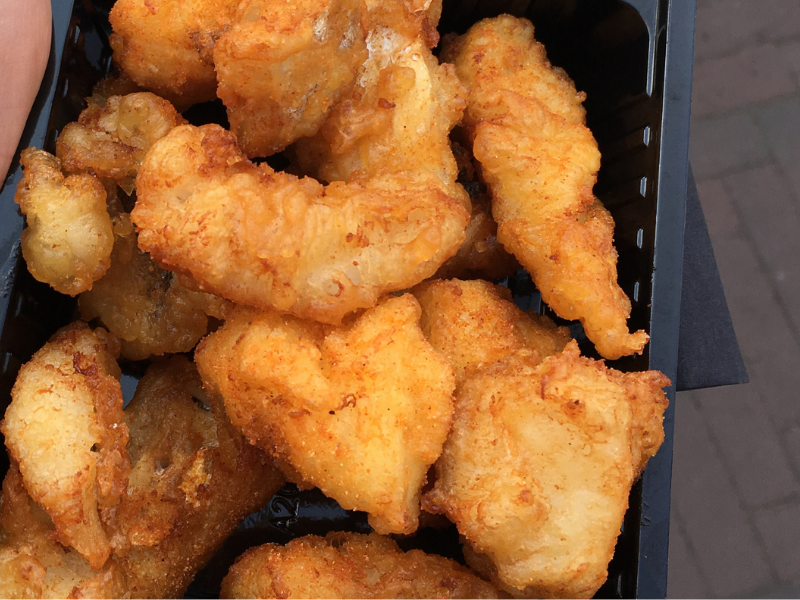
There are other stands that sell tartar sauce and cocktail sauce, but locals prefer garlic. You eat kibbeling like you eat patat, in a paper cone, with a little wooden fork, standing, preferably, by water.
FAQs – Frequently Asked Questions
Eat raw herring. Not because it is the tastiest but because it is more informative about Amsterdam than almost anything. Herring business was the foundation of the wealth of this city in the Middle Ages. The Dutch maritime mighty-powers were created by the method of curing fish in the sea. When you eat herring at a street stand, you are in touch with that past in a way that is very close and physical. It is also polarizing in that you will find out whether Dutch food sensibilities appeal to you within a short time. In case herring is considered as a bridge too far, choose bitterballen.
Dutch traditional food is more meat and fish-oriented, and thus, it is not an easy task, but vegetarians can do it. It can be a whole day Dutch dairy. All of them are vegetarian, poffertjes, pannenkoeken, and stroopwafels. Instead of beef, some of the kroketten are prepared using mushroom or cheese, so you will have to enquire.